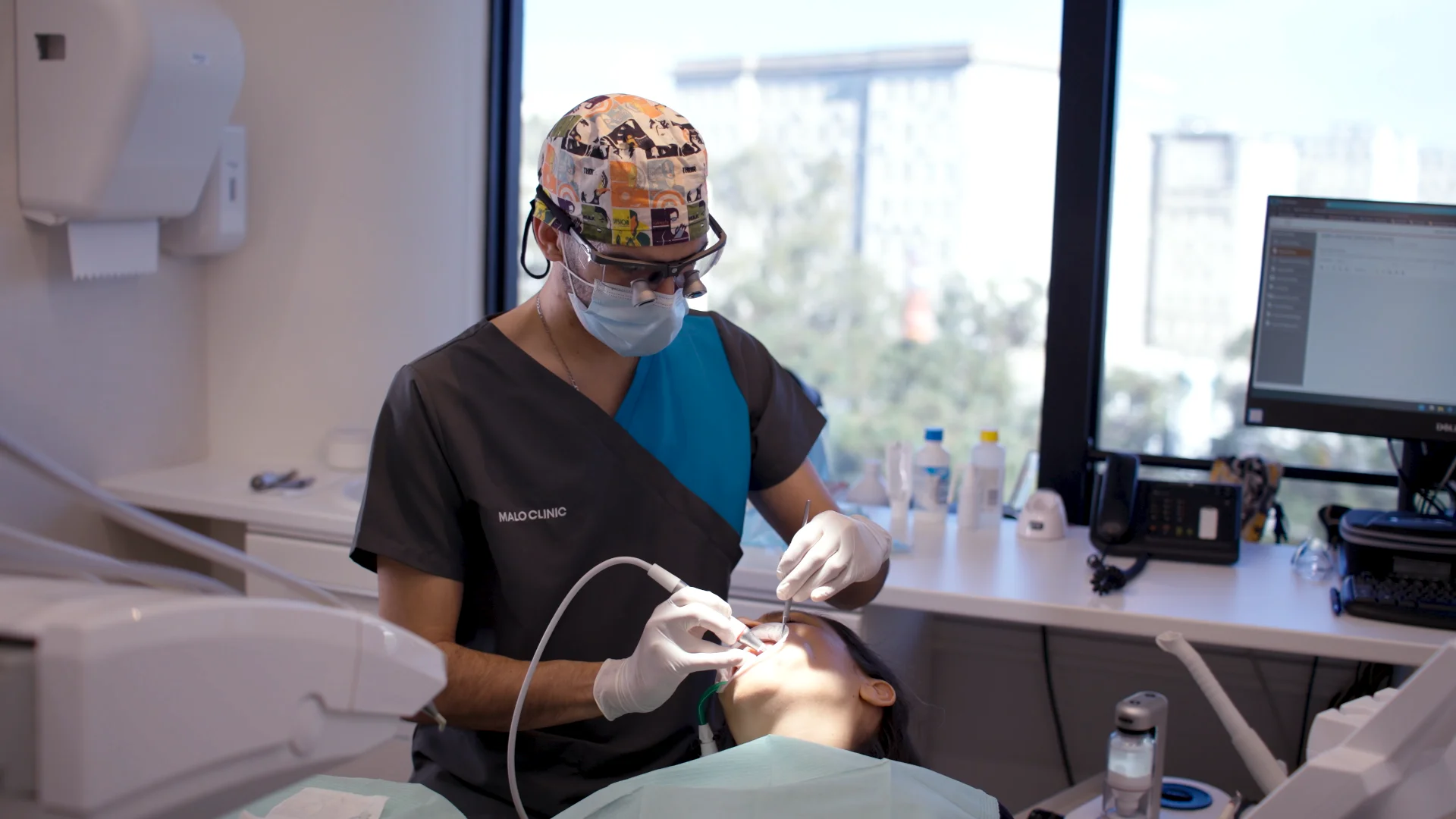
Bruxism

Bruxism is a condition involving habitual clenching and grinding of teeth, most often at night. It manifests as enamel wear, muscle pain, headaches, and discomfort in the temporomandibular joint.

What is bruxism?

Bruxism is an involuntary, repetitive muscle activity manifested by clenching or grinding of the teeth. It occurs in two forms: awake (diurnal) and sleep (nocturnal), with different causes and courses.

Awake bruxism is mainly associated with psychosocial factors – stress, anxiety or depression – as well as habits such as jaw clenching or nail biting. Sleep bruxism additionally results from sleep cycle disturbances, changes in the central nervous system and the use of certain medications or substances. Left untreated, it leads to enamel wear, headaches and temporomandibular joint dysfunction.
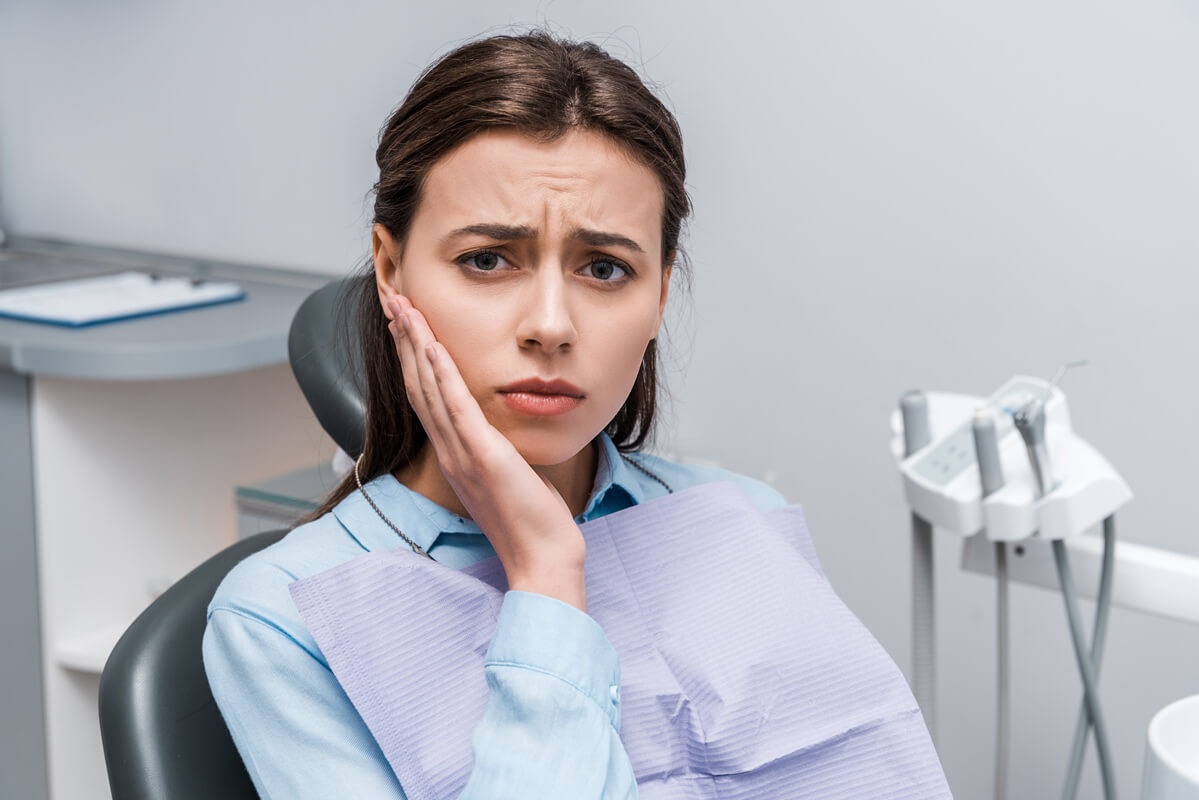
What is bruxism?

Main causes

The development of bruxism is usually associated with a combination of several factors, which include:

Stress, anxiety and psychosocial factors

Sleep disorders

Malocclusions and dental abnormalities

Use of certain medications and stimulants

Habits and behavioural factors - changes in the central nervous system

Bruxism Symptoms

Symptoms of bruxism can vary depending on the intensity and frequency of the habit. The most common symptoms include:

1

1

Tension or pain

Many people do not know that they grind their teeth, and only find out about it from their loved ones. Night-time clenching of the jaw causes pain in the face, neck and head right after waking up. Tooth sensitivity and minor abrasions in the mouth are also common.

2

2

Temporomandibular joint (TMJ) dysfunction

This joint connects the temporal bone with the mandible, and bruxism is one of the most common causes of its problems. It manifests as clicking or popping when opening the mouth, limited mobility of the mandible, a feeling of the jaw being "locked", as well as headaches.

3

3

Tooth wear and cracks

Strong pressure caused by involuntary clenching leads to pathological tooth wear, visible as the flattening of their surfaces. In extreme cases, this can result in enamel cracks, tooth fractures, or damage to fillings, as well as increased sensitivity to cold and heat.
Marcar Consulta de Avaliação

If symptoms persist, worsen or you notice visible changes in your teeth, it is advisable to consult a dentist as soon as possible.

Available treatment methods for bruxism

Available treatment methods for bruxism

Bruxism cannot be completely cured, but it can be effectively controlled and its symptoms alleviated. The first step is to increase the patient's awareness and identify the causes that trigger it.

The most effective methods of treating bruxism include:

Physiotherapy

An effective treatment method for bruxism with muscular and joint symptoms. It helps to reduce or completely eliminate pain and improves mandibular mobility and the functioning of the temporomandibular joint.

An effective treatment method for bruxism with muscular and joint symptoms. It helps to reduce or completely eliminate pain and improves mandibular mobility and the functioning of the temporomandibular joint.

Physiotherapy

An effective treatment method for bruxism with muscular and joint symptoms. It helps to reduce or completely eliminate pain and improves mandibular mobility and the functioning of the temporomandibular joint.

Relaxation therapies

A method supporting the treatment of bruxism by reducing stress and muscle tension. They include meditation, deep breathing, and stretching exercises for the facial and jaw muscles.

A method supporting the treatment of bruxism by reducing stress and muscle tension. They include meditation, deep breathing, and stretching exercises for the facial and jaw muscles.

Relaxation therapies

Lifestyle change

Stress reduction through physical activity, relaxation techniques or psychotherapy supports the treatment of bruxism. Apps that remind you to relax your jaw, as well as limiting caffeine and alcohol, are also helpful.

Stress reduction through physical activity, relaxation techniques or psychotherapy supports the treatment of bruxism. Apps that remind you to relax your jaw, as well as limiting caffeine and alcohol, are also helpful.

Lifestyle change

Sleep hygiene

A regular sleep routine and a peaceful environment help to reduce sleep bruxism. It is advisable to avoid screens, heavy meals, alcohol and caffeine before bedtime, and to ensure a dark, quiet bedroom.

A regular sleep routine and a peaceful environment help to reduce sleep bruxism. It is advisable to avoid screens, heavy meals, alcohol and caffeine before bedtime, and to ensure a dark, quiet bedroom.

Sleep hygiene

Pharmacotherapy (Medicines)

In acute cases, the doctor may temporarily prescribe anti-inflammatory drugs or muscle relaxants to relieve pain, muscle tension and inflammation. Pharmacological treatment always requires strict medical supervision.

In acute cases, the doctor may temporarily prescribe anti-inflammatory drugs or muscle relaxants to relieve pain, muscle tension and inflammation. Pharmacological treatment always requires strict medical supervision.

Pharmacotherapy (Medicines)

Occlusal splints (Gnathological)

Removable appliances made by a dentist based on dental impressions, fitted to the upper or lower teeth. They protect the teeth, muscles, and temporomandibular joints, reducing friction and muscle tension.

Removable appliances made by a dentist based on dental impressions, fitted to the upper or lower teeth. They protect the teeth, muscles, and temporomandibular joints, reducing friction and muscle tension.

Occlusal splints (Gnathological)

Frequently asked questions

1

What are the main causes of bruxism?

Bruxism is a multifactorial condition – its causes can be difficult to establish unequivocally and vary from patient to patient. The most common include: stress, anxiety, malocclusion (abnormal occlusion), sleep disorders, and taking certain medications or stimulants. Identifying the cause is crucial for effective treatment.

2

What are the long-term effects of untreated bruxism?

In addition to immediate symptoms such as jaw pain or tooth wear, untreated bruxism can lead to more serious complications, affecting oral health and the overall condition of the body.

The main consequences include temporomandibular joint disorders – difficulty opening or closing the mouth, clicking sounds in the jaw, and pain around the joint. Chronic overloading of the joint can lead to degenerative changes and limited functionality.

Premature tooth wear reduces their natural resistance, leading to sensitivity and fractures – sometimes irreversible, which can result in tooth loss. Tooth loss and changes in tooth anatomy affect not only chewing and speech, but also the appearance of the face, giving it a more square, aged, or asymmetrical profile.

3

How do I know if I have bruxism?

Diagnosing bruxism can be difficult, as it most commonly occurs during sleep and the patient is unaware of it. Therefore, it is worth paying attention to signals from loved ones (e.g., information about teeth grinding at night) and symptoms such as jaw pain, worn teeth, or morning muscle tension.

At MALO CLINIC, it is also possible to perform a polysomnography study – a test carried out by the patient at home using special sensors, assessing sleep quality and its relationship with teeth clenching. This study is crucial for making a correct diagnosis.

Book a consultation

Book a consultation

Fill in the form and we will contact you.

I consent to the processing of my data by MALO CLINIC for marketing purposes (campaigns, benefits, offers,...) via electronic mail (Email) and SMS messages.

Thank you, the form has been submitted

Book a consultation

Book a consultation

Fill in the form and we will contact you.

I consent to the processing of my data by MALO CLINIC for marketing purposes (campaigns, benefits, offers,...) via electronic mail (Email) and SMS messages.

Thank you, the form has been submitted

Book a consultation

Book a consultation

Fill in the form and we will contact you.

I consent to the processing of my data by MALO CLINIC for marketing purposes (campaigns, benefits, offers,...) via electronic mail (Email) and SMS messages.

Thank you, the form has been submitted

Malo Clinic Polska sp. z o.o. registered in the District Court for the Capital City of Warsaw, 13th Commercial Division of the National Court Register under KRS number: 0000242331, share capital PLN 300,000.00, NIP (Tax Identification Number) 525-234-17-37, REGON (National Business Registry Number) 140078686

SWIFT: BIGBPLPW | Bank Millennium SA | ul. S. Żaryna 2A, 02-593 Warszawa | Poland

MALO CLINIC WARSZAWA Bank account: PL 06 1160 2202 0000 0000 6313 6153

MALO CLINIC SZCZECIN Bank account: PL 36 1160 2202 0000 0007 2348 1155

Developed by