Conservative dentistry

Conservative dentistry

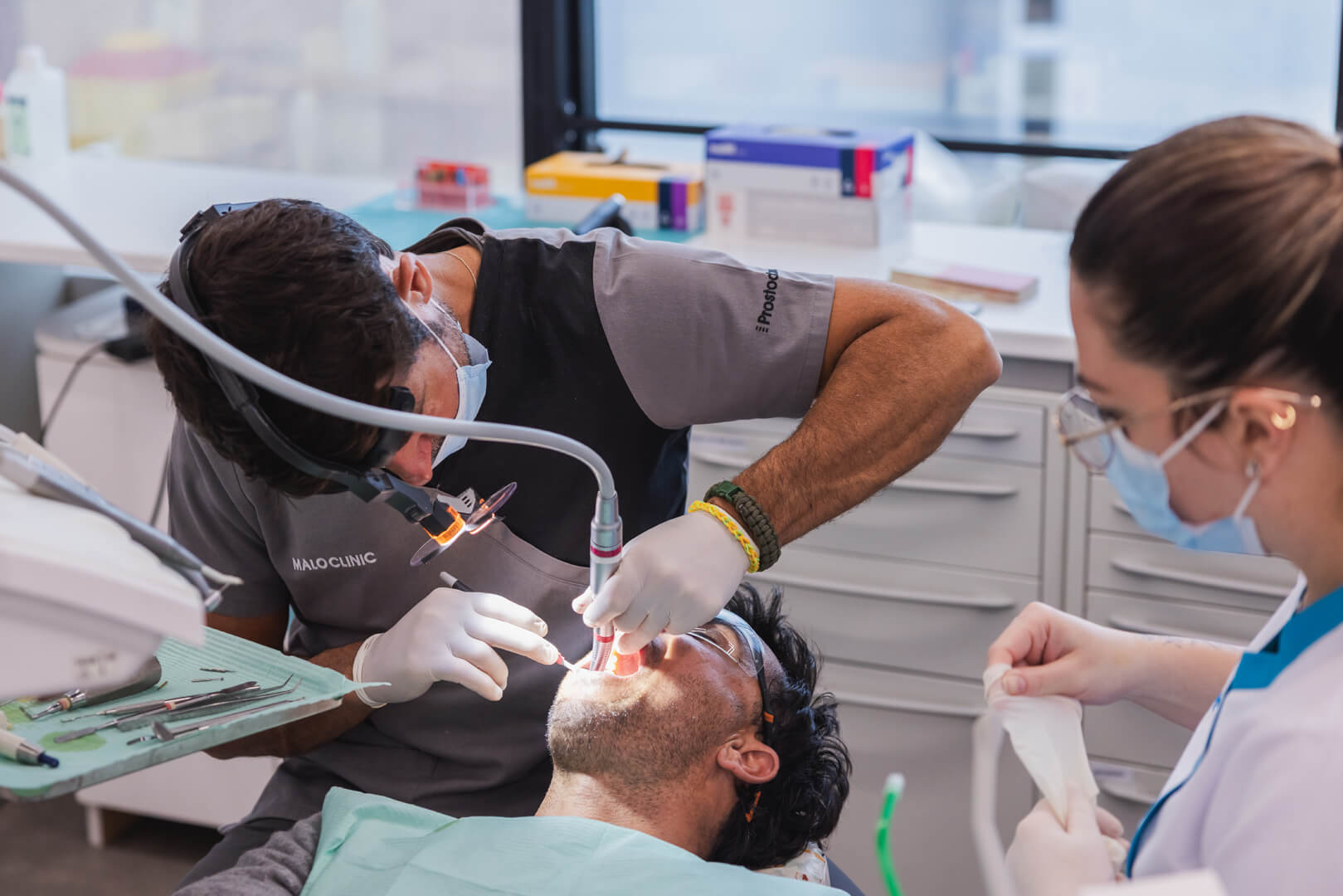
Treatment and restoration of teeth with damage (cavities), changes in shape or discolouration.

About conservative and aesthetic dentistry

Conservative and aesthetic dentistry is a field of dental medicine responsible for the treatment and restoration of teeth with carious cavities, changes in shape or colour, as well as for treating fractures, thereby restoring their original appearance.

In addition to contributing to the improvement of oral function and eliminating potential causes of toothache – usually caused by carious lesions – appropriate restorations performed within this specialty not only reconstruct teeth but also help prevent future problems, such as the appearance of new cavities. Conservative dentistry restores a healthy and beautiful smile to the patient, improving aesthetics and, consequently, boosting self-esteem.
About conservative and aesthetic dentistry

Solutions in conservative and aesthetic dentistry – which is best for you?

Every clinical situation is different, which is why conservative dentistry offers solutions tailored to the individual needs of each patient.

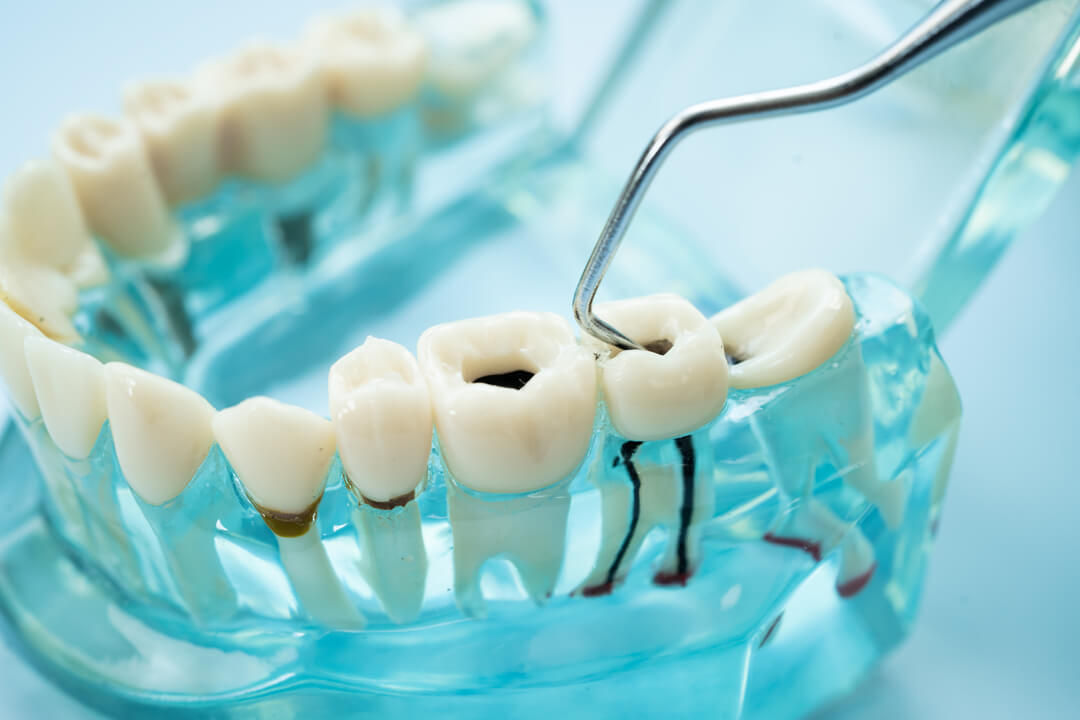
Tooth decay caused by bacteria is the most common disease affecting the oral cavity. It develops primarily in the fissures on the chewing surfaces of the posterior teeth, in the interdental spaces, and along the gum line. If a tooth with a cavity is left untreated, it can become a complex problem and undergo complete destruction. In addition to eliminating any potential toothache associated with decay, treatment allows the tooth's health, function, and original appearance to be restored.

Tooth decay caused by bacteria is the most common disease affecting the oral cavity. It develops primarily in the fissures on the chewing surfaces of the posterior teeth, in the interdental spaces, and along the gum line. If a tooth with a cavity is left untreated, it can become a complex problem and undergo complete destruction. In addition to eliminating any potential toothache associated with decay, treatment allows the tooth's health, function, and original appearance to be restored.

Benefits of Conservative and Aesthetic Dentistry for Oral Health

1

1

Restoration of tooth structure:

One of the main benefits of conservative dentistry is the possibility to rebuild the tooth structure damaged by caries, fractures, or wear. The procedures performed not only repair visible damage, but also contribute to restoring the correct shape and structure of the teeth, preventing the need for more invasive treatment methods in the future.

2

2

Improving smile aesthetics:

Aesthetic dentistry procedures effectively correct discolouration, irregularities in shape and changes in tooth colour, allowing for a more beautiful and harmonious smile. This metamorphosis not only boosts the patient's self-confidence, but also has a positive impact on their social and professional relationships.

3

3

Oral health protection:

Treatment of teeth with carious cavities and their appropriate reconstruction inhibit the progress of tooth tissue destruction and help avoid future complications, such as infections, gum disease, and in extreme cases, tooth loss. In this way, conservative dentistry, by providing the patient with a healthy and lasting smile, contributes to the comprehensive protection of oral health.

Our clinical team is here to help you.

At MALO CLINIC, your oral health is our priority.

Our medical team is here to help you.

Clinical team

Clinical team

A team of qualified doctors, ensuring safe, individually tailored care and the highest level of comfort throughout the entire treatment process.

A team of qualified doctors, ensuring safe, individually tailored care and the highest level of comfort throughout the entire treatment process.

  • Katarzyna Babik, DDS

    Katarzyna Babik, DDS

  • Katarzyna Pindelska, DDS

    Katarzyna Pindelska, DDS

  • Dr Izabela Rajca, DDS

    Dr Izabela Rajca, DDS

  • Katarzyna Babik, DDS

    Katarzyna Babik, DDS

  • Katarzyna Pindelska, DDS

    Katarzyna Pindelska, DDS

  • Dr Izabela Rajca, DDS

    Dr Izabela Rajca, DDS

Frequently asked questions

1

What is the difference between direct and indirect restoration?

  • Direct restorations are performed directly in the patient's mouth during a single visit. Using composite resins that match the colour of the patient's natural teeth, the dentist fills and reconstructs teeth affected by decay, fractures or other imperfections. Once applied and shaped, the material is cured with a special light (polymerisation lamp), ensuring its hardness and durability. Direct restorations are quick to perform and typically do not require multiple visits. The result is immediate, and the patient leaves the clinic with an already restored tooth.

  • Indirect restorations, made of composite or ceramics, are manufactured in a dental laboratory based on an impression or digital scans previously taken in the clinic. Once the laboratory work is completed, the dentist cements the finished restoration onto the tooth. This type of restoration offers greater strength and durability, making it an ideal solution for extensive damage or when extreme precision in shape and fit is required.

2

Is it possible to close gaps between teeth without braces?

Depending on the clinical situation, correction of the space between the teeth may be possible using aesthetic dentistry techniques, such as direct restorations (bonding) or veneers. Dentistry offers many options for changing the shape and colour of the teeth in a natural and harmonious way.

3

How long does the teeth whitening process take?

The duration of the treatment always depends on the clinical situation of each patient and the type of procedure used. It is important for the patient to know that whitening products do not work on materials that make up fillings, veneers, crowns or partial or complete dentures. Consult your dentist to determine the best treatment plan to achieve a harmonious colour of all teeth.

4

Does teeth whitening have contraindications and side effects?

Generally speaking, tooth whitening can be carried out on any person over the age of 18. However, a consultation visit is essential to ensure that the procedure is performed completely safely. There are also specific situations, such as carious cavities, tooth sensitivity or periodontal disease, which may limit the possibility of whitening or require prior treatment. Tooth whitening is not recommended during pregnancy and breastfeeding. Side effects often associated with whitening are a temporary increase in tooth sensitivity and gum discomfort. In such situations, the dentist can adjust the concentration of the whitening product, as well as the frequency and duration of tray use, to eliminate discomfort, and prescribe desensitising preparations. 

Articles related to oral health

⭐️

Connect to Content

Add layers or components to make infinite auto-playing slideshows.

Book a consultation

Book a consultation

Fill in the form and we will contact you.

I consent to the processing of my data by MALO CLINIC for marketing purposes (campaigns, benefits, offers,...) via electronic mail (Email) and SMS messages.

Thank you, the form has been submitted

Book a consultation

Book a consultation

Fill in the form and we will contact you.

I consent to the processing of my data by MALO CLINIC for marketing purposes (campaigns, benefits, offers,...) via electronic mail (Email) and SMS messages.

Thank you, the form has been submitted

Book a consultation

Book a consultation

Fill in the form and we will contact you.

I consent to the processing of my data by MALO CLINIC for marketing purposes (campaigns, benefits, offers,...) via electronic mail (Email) and SMS messages.

Thank you, the form has been submitted

Malo Clinic Polska sp. z o.o. registered in the District Court for the Capital City of Warsaw, 13th Commercial Division of the National Court Register under KRS number: 0000242331, share capital PLN 300,000.00, NIP (Tax Identification Number) 525-234-17-37, REGON (National Business Registry Number) 140078686

SWIFT: BIGBPLPW | Bank Millennium SA | ul. S. Żaryna 2A, 02-593 Warszawa | Poland

MALO CLINIC WARSZAWA Bank account: PL 06 1160 2202 0000 0000 6313 6153

MALO CLINIC SZCZECIN Bank account: PL 36 1160 2202 0000 0007 2348 1155

Developed by