Periodontal surgery

Periodontal surgery

Prevention, diagnostics and treatment of periodontal diseases as well as tissues surrounding and supporting teeth.

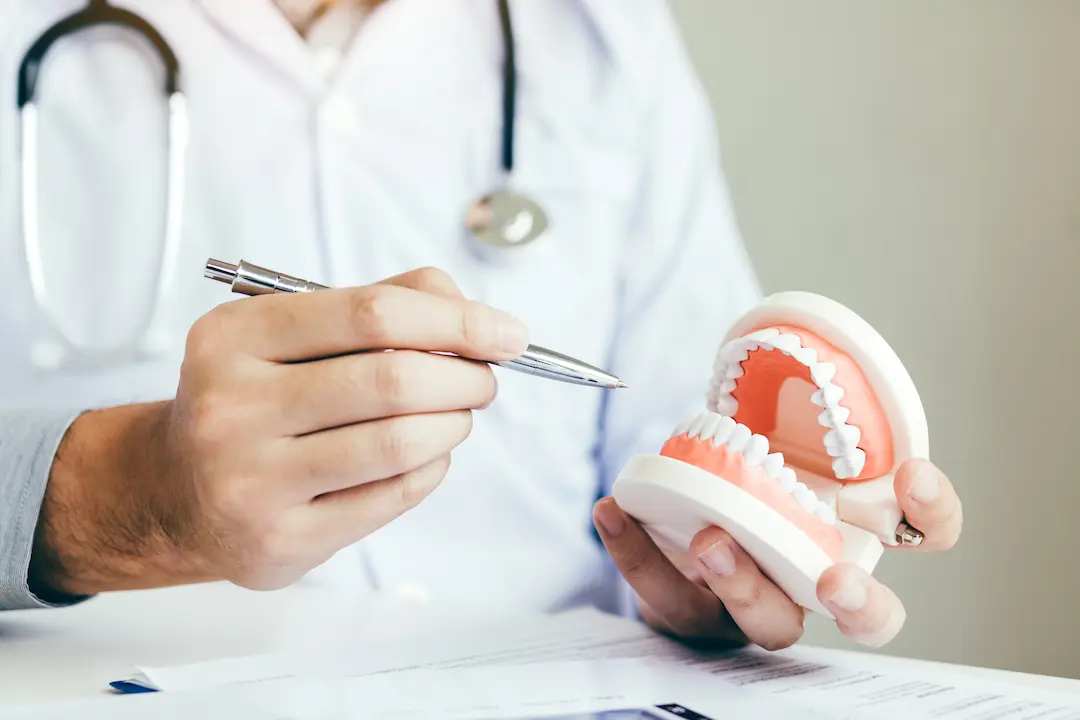
About the Periodontology Speciality

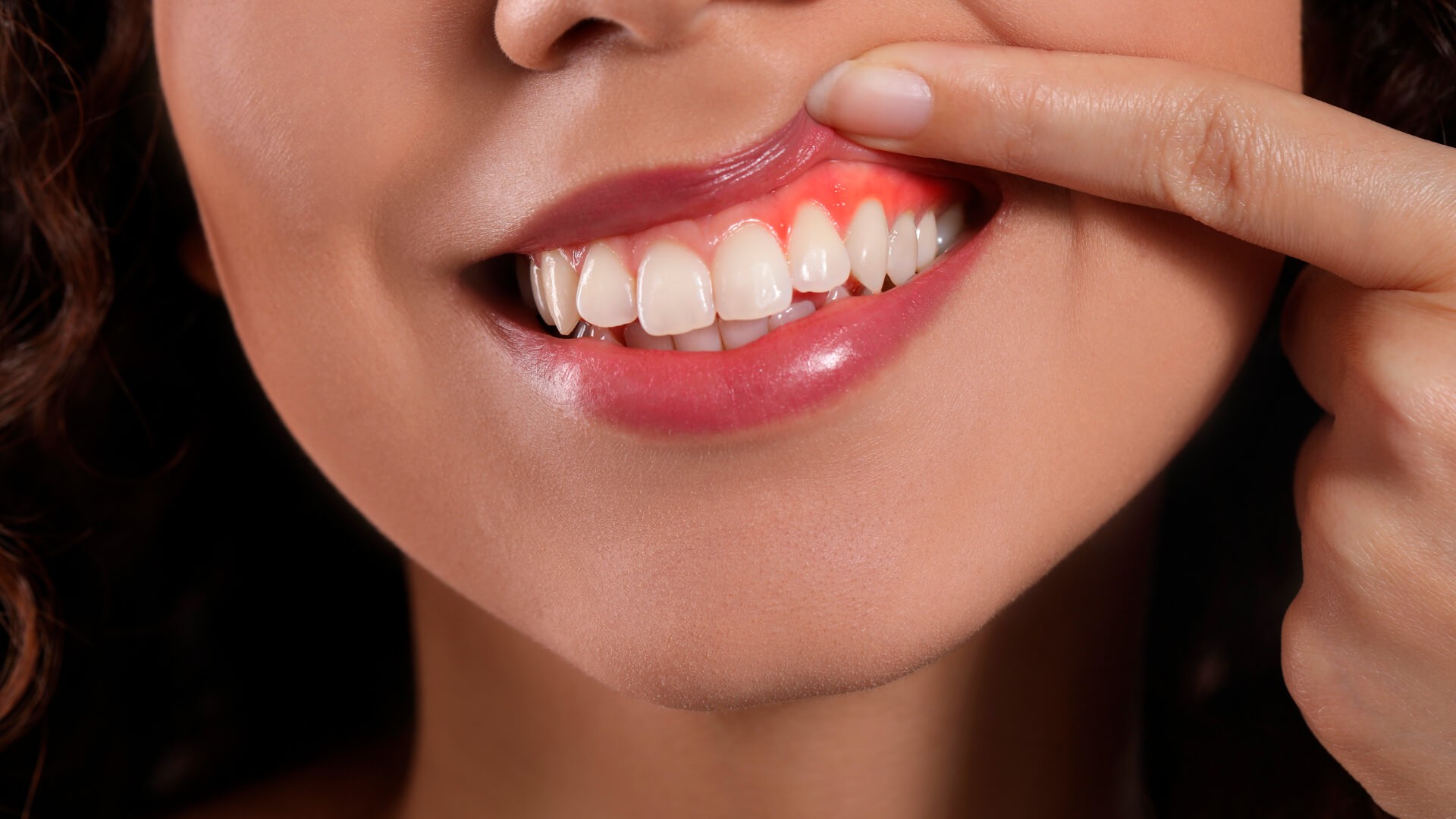
Periodontology is a field of dentistry concerned with the diagnosis, prevention and treatment of gingivitis and periodontitis. These are diseases of the tissues surrounding and supporting the teeth, primarily caused by the accumulation of bacterial plaque and tartar.

Untreated gingivitis, which manifests as inflammation, bleeding and tenderness, can progress to periodontitis (periodontal disease). This more serious form of the condition leads to irreversible bone loss, mobility, and consequently, tooth loss. The progression of the disease can be further accelerated by factors such as smoking, stress, genetic predisposition or diabetes.
About the Periodontology specialisation

Benefits of periodontology for oral health

1

1

Prevention of periodontal diseases

Periodontics focuses on disease prevention, providing guidelines on oral hygiene and gum care to avoid pathologies such as gingivitis or periodontitis.

2

2

Preservation of natural dentition

By treating and controlling periodontal diseases, periodontology helps to preserve natural teeth, preventing their premature loss or the need for extraction.

3

3

Specialist treatment

Periodontists use precise techniques and treatment methods to combat gum disease, such as scaling and root planing, periodontal surgery and laser therapy.

4

4

Improving overall health

Periodontal health is closely linked to the health of the entire organism. Proper treatment of the gums helps in preventing and controlling systemic diseases, such as cardiovascular disorders or diabetes.

Our clinical team is here to help you.

At MALO CLINIC, your oral health is our priority.

Our medical team is here to help you.

What diseases does periodontology treat?

Gingivitis

Gingivitis, most commonly caused by dental plaque. Periodontal treatment includes professional scaling (removal of tartar) and instructions on proper oral hygiene.

Gingivitis, most commonly caused by dental plaque. Periodontal treatment includes professional scaling (removal of tartar) and instructions on proper oral hygiene.

Gingivitis

Gingivitis, most commonly caused by dental plaque. Periodontal treatment includes professional scaling (removal of tartar) and instructions on proper oral hygiene.

Periodontitis

Untreated and undiagnosed gingivitis can progress, leading to bone tissue loss and tooth loss. Treatment for periodontitis includes procedures such as root planing and, in some cases, periodontal surgery procedures.

Untreated and undiagnosed gingivitis can progress, leading to bone tissue loss and tooth loss. Treatment for periodontitis includes procedures such as root planing and, in some cases, periodontal surgery procedures.

Periodontitis

Gum recession

A condition in which the gums recede, exposing the roots of the teeth. Periodontal treatment may include deep cleaning (scaling and root planing) or gum grafts to cover the exposed areas.

A condition in which the gums recede, exposing the roots of the teeth. Periodontal treatment may include deep cleaning (scaling and root planing) or gum grafts to cover the exposed areas.

Gum recession

The periodontal is growing

Acute gum infections, which can cause severe pain and swelling. Periodontal treatment includes abscess drainage, antimicrobial therapy and treatment of the cause of the inflammation.

Acute gum infections, which can cause severe pain and swelling. Periodontal treatment includes abscess drainage, antimicrobial therapy and treatment of the cause of the inflammation.

The periodontal is growing

Clinical team

A team of qualified doctors, ensuring safe, individually tailored care and the highest level of comfort throughout the entire treatment process.

Frequently asked questions

1

What is periodontitis and how can it be prevented?

Periodontitis (gum disease) is a serious gum infection that can damage the bone supporting the teeth. It can be prevented through proper oral hygiene, including daily brushing and flossing, as well as regular visits to a periodontist and dental hygienist.

2

What are the symptoms of periodontal disease?

Symptoms include red, swollen and easily bleeding gums, persistent bad breath (halitosis), receding gums (recession), as well as loose or gradually shifting teeth.

3

How is periodontitis treated?

Treatment of periodontitis can include learning proper brushing and interdental cleaning techniques, root planing (debridement/root planing – a procedure that removes bacterial plaque and tartar from the surface of the teeth and their roots), antimicrobial therapy, and sometimes periodontal surgery to clean deep periodontal pockets and regenerate damaged or lost tissue.

4

Can gum recession be reversed or cured?

Gum recession can be treated, and the method depends on the stage at which the disease was diagnosed. Most commonly, deep cleaning and root planing are performed to remove bacterial plaque and tartar accumulated under the gums and between the teeth. In the case of more localised recessions, a gum graft procedure may be necessary to regenerate the lost tissue.

5

What is the relationship between periodontal health and general health?

Research shows that periodontal health is closely linked to the health of the entire body. Periodontal disease is linked to conditions such as heart disease, diabetes, pregnancy complications and other systemic diseases, as oral bacteria can enter the bloodstream and spread throughout the body. Taking care of periodontal health helps prevent these problems.

6

What causes periodontal disease?

The main cause of periodontal diseases is bacterial plaque – a sticky bacterial film that constantly deposits on the teeth. Factors such as smoking, diabetes, genetic predisposition, poor oral hygiene, and certain medical conditions can increase the risk of developing these diseases.

7

How can I prevent tooth loss due to periodontal disease?

Prevention is based on a combination of excellent oral hygiene (daily brushing and flossing), regular dental check-ups, and avoiding risk factors such as smoking. Maintaining a healthy lifestyle, including a balanced diet, is also helpful.

8

What is the difference between gingivitis and periodontitis?

Gingivitis is the initial stage of periodontal disease, characterised by inflammation and bleeding of the gums, without bone loss. If left untreated, it can progress to periodontitis – a more serious form that involves the destruction of deep tissues, including the bone supporting the teeth.

9

Is periodontal disease hereditary?

Although the main cause of periodontal disease is bacterial plaque, genetic predisposition can increase the risk of its occurrence. If there is a family history of periodontal disease, particular care should be taken with oral hygiene, and a periodontist should be consulted regularly.

Articles related to oral health

Book a consultation

Book a consultation

Fill in the form and we will contact you.

I consent to the processing of my data by MALO CLINIC for marketing purposes (campaigns, benefits, offers,...) via electronic mail (Email) and SMS messages.

Thank you, the form has been submitted

Book a consultation

Book a consultation

Fill in the form and we will contact you.

I consent to the processing of my data by MALO CLINIC for marketing purposes (campaigns, benefits, offers,...) via electronic mail (Email) and SMS messages.

Thank you, the form has been submitted

Book a consultation

Book a consultation

Fill in the form and we will contact you.

I consent to the processing of my data by MALO CLINIC for marketing purposes (campaigns, benefits, offers,...) via electronic mail (Email) and SMS messages.

Thank you, the form has been submitted

Malo Clinic Polska sp. z o.o. registered in the District Court for the Capital City of Warsaw, 13th Commercial Division of the National Court Register under KRS number: 0000242331, share capital PLN 300,000.00, NIP (Tax Identification Number) 525-234-17-37, REGON (National Business Registry Number) 140078686

SWIFT: BIGBPLPW | Bank Millennium SA | ul. S. Żaryna 2A, 02-593 Warszawa | Poland

MALO CLINIC WARSZAWA Bank account: PL 06 1160 2202 0000 0000 6313 6153

MALO CLINIC SZCZECIN Bank account: PL 36 1160 2202 0000 0007 2348 1155

Developed by