+48 22 393 63 33
+48 22 393 63 33
+48 22 393 63 33
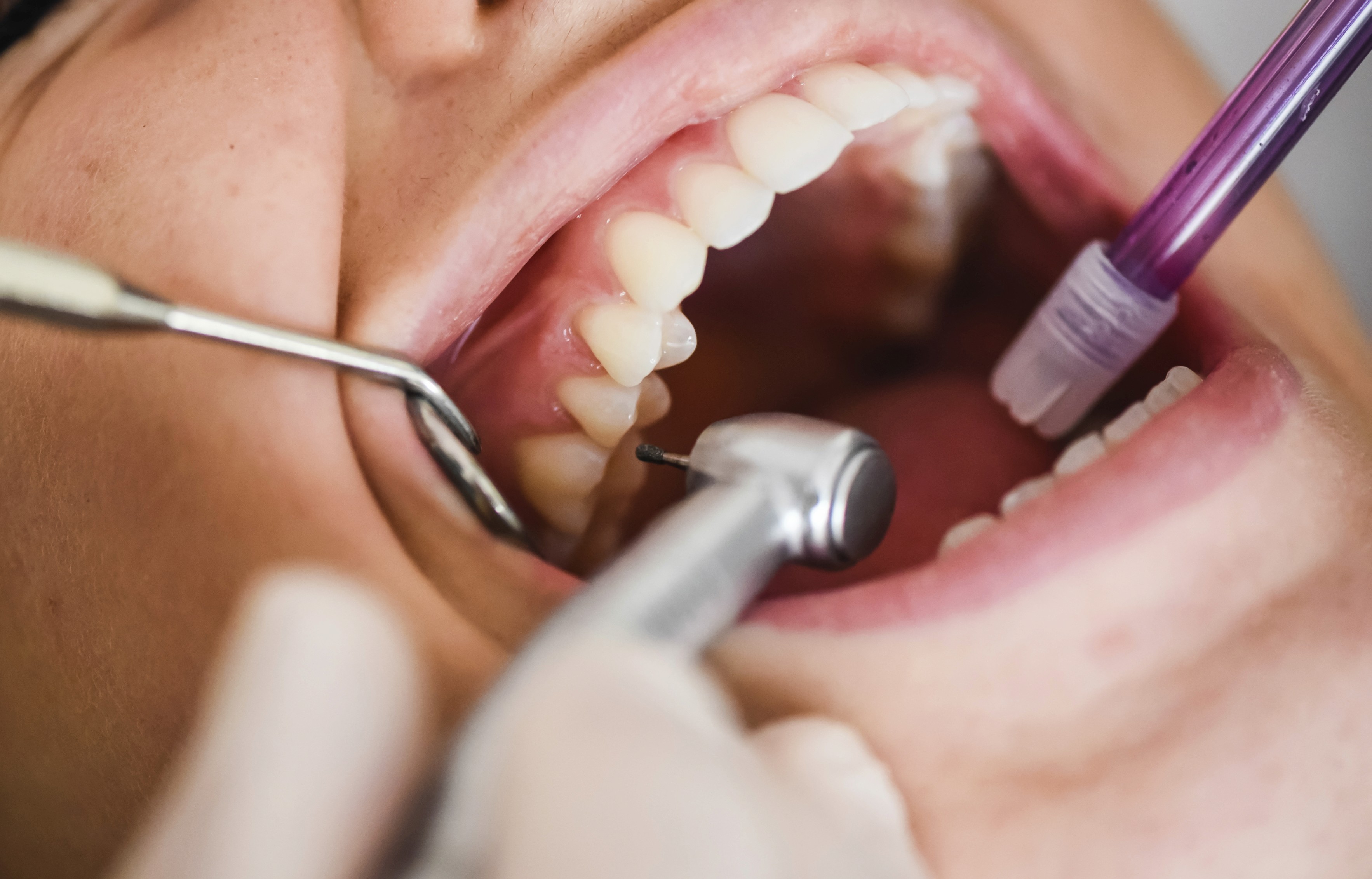
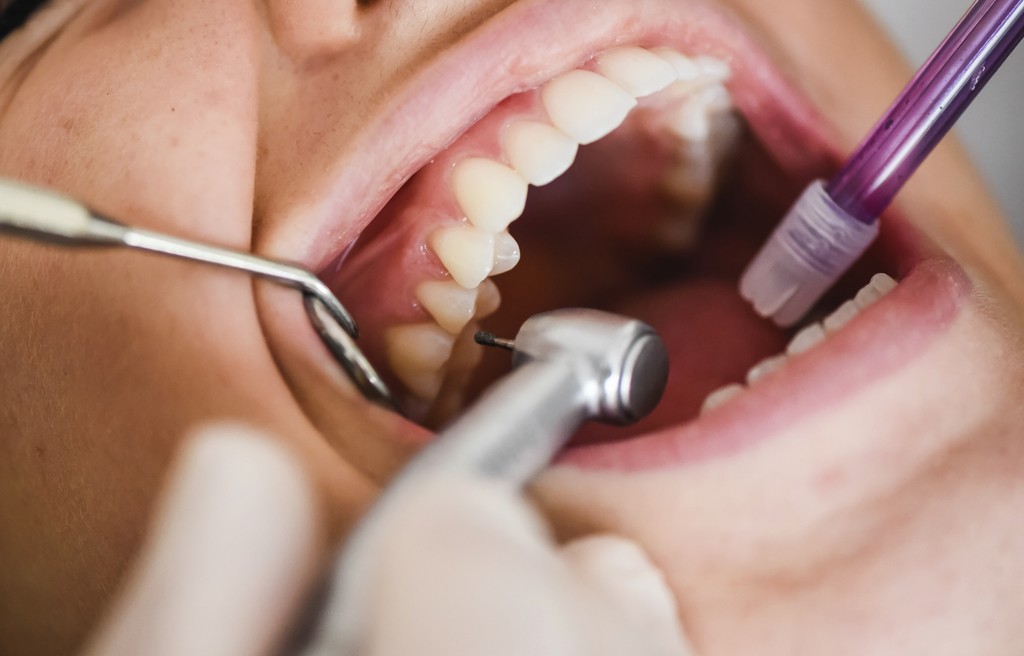
Root Canal Treatment
Root canal treatment is crucial to relieve pain, prevent the progression of infection and save a damaged tooth.
Book a consultation appointment
Over 100,000 cured smiles
Over 100,000 cured smiles
Over 100,000 cured smiles
Over 100,000 cured smiles
Dedicated medical team
Dedicated medical team
Dedicated medical team
Dedicated medical team
+9 dental specialisations
+9 dental specialisations
+9 dental specialisations
+9 dental specialisations
Conveniences in payments, contracts and partnerships
Conveniences in payments, contracts and partnerships
Conveniences in payments, contracts and partnerships
Conveniences in payments, contracts and partnerships
Why do so many patients choose this solution?
Choosing to undergo root canal treatment allows for the elimination of pain and infection, the preservation of the natural tooth, and the maintenance of the function and aesthetics of the smile, thereby avoiding its extraction (pulling out).
Cases where root canal treatment is indicated:
Deep caries
Dental injuries
Infections
Discover how to get your smile back
Discover how to get your smile back
Completely safe root canal treatment
Root canal treatment, also known as endodontic treatment, is a procedure performed when the tooth pulp is damaged or infected. This condition can arise as a result of deep tooth decay, tooth trauma, or even periodontal infections.
Root canal treatment is crucial to relieve pain, prevent the progression of infection, and save the damaged tooth. By preserving the tooth structure, root canal treatment supports long-term oral health and avoids the need for tooth extraction, naturally maintaining chewing functions and the integrity of the smile.


Contact our medical team and clear up your doubts.
Stages of treatment
Starting from the consultation visit, the treatment follows a strictly defined path, planned to ensure safety, predictability and comfort at every stage.
1

Comprehensive clinical assessment
To find out whether root canal treatment is the right solution, a full analysis of the patient's case is necessary. Based on examinations, such as an X-ray, the dentist will assess the need for endodontic treatment and plan the procedure.
1
Comprehensive clinical assessment
To find out whether root canal treatment is the right solution, a full analysis of the patient's case is necessary. Based on examinations, such as an X-ray, the dentist will assess the need for endodontic treatment and plan the procedure.
1
Comprehensive clinical assessment
To find out whether root canal treatment is the right solution, a full analysis of the patient's case is necessary. Based on examinations, such as an X-ray, the dentist will assess the need for endodontic treatment and plan the procedure.
2
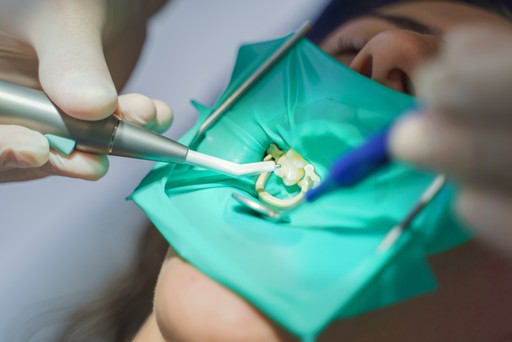
Removal of tooth pulp
Under local anaesthetic, the tooth is opened to remove infected tissue and clean its interior. Depending on the complexity of the case, it is not always possible to perform full treatment during just one visit. In such situations, a temporary filling (so-called dressing) is placed in the access cavity.
2
Removal of tooth pulp
Under local anaesthetic, the tooth is opened to remove infected tissue and clean its interior. Depending on the complexity of the case, it is not always possible to perform full treatment during just one visit. In such situations, a temporary filling (so-called dressing) is placed in the access cavity.
3
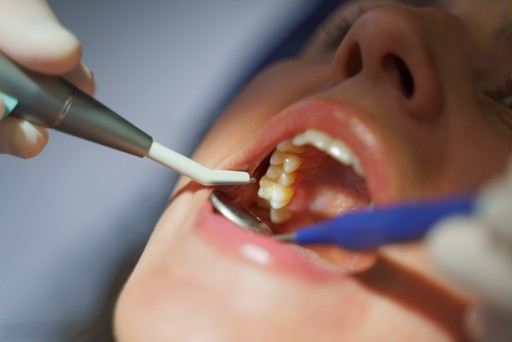
Filling and sealing
Subsequently, a filling material is placed, and the tooth is hermetically sealed to prevent reinfection.
3
Filling and sealing
Subsequently, a filling material is placed, and the tooth is hermetically sealed to prevent reinfection.
3
Filling and sealing
Subsequently, a filling material is placed, and the tooth is hermetically sealed to prevent reinfection.
4
Tooth reconstruction
Following the completion of the endodontic procedure, the tooth is restored in such a way as to regain its natural appearance.
4
Tooth reconstruction
Following the completion of the endodontic procedure, the tooth is restored in such a way as to regain its natural appearance.
4
Tooth reconstruction
Following the completion of the endodontic procedure, the tooth is restored in such a way as to regain its natural appearance.
5

Post-treatment care / Control
The final step of treatment is regular follow-up visits to the dentist, which aim to ensure that the healing process is progressing successfully and that there are no signs of complications.
5
Post-treatment care / Control
The final step of treatment is regular follow-up visits to the dentist, which aim to ensure that the healing process is progressing successfully and that there are no signs of complications.
5
Post-treatment care / Control
The final step of treatment is regular follow-up visits to the dentist, which aim to ensure that the healing process is progressing successfully and that there are no signs of complications.
At MALO CLINIC, your oral health is our priority.
Come, meet our team, and find out how we can help transform your smile.
At MALO CLINIC, your oral health is our priority.
Come, meet our team, and find out how we can help transform your smile.
Main benefits of teeth whitening
Preservation of the tooth
Root canal treatment allows a tooth to be saved that would otherwise have to be extracted. This is crucial for maintaining the integrity of the dental arch and preventing problems with occlusion (bite) and the shifting of adjacent teeth.
Root canal treatment allows a tooth to be saved that would otherwise have to be extracted. This is crucial for maintaining the integrity of the dental arch and preventing problems with occlusion (bite) and the shifting of adjacent teeth.
Pain relief
The necessity of undergoing root canal treatment most often results from severe pain caused by inflammation or infection of the tooth pulp. After the procedure is completed, the patient experiences significant relief from pain and discomfort.
The necessity of undergoing root canal treatment most often results from severe pain caused by inflammation or infection of the tooth pulp. After the procedure is completed, the patient experiences significant relief from pain and discomfort.
Infection prevention
By removing the infected pulp, cleaning and hermetically sealing the tooth, the spread of infection to other areas of the mouth, such as the bone or gums, is prevented.
By removing the infected pulp, cleaning and hermetically sealing the tooth, the spread of infection to other areas of the mouth, such as the bone or gums, is prevented.
Frequently asked questions
1
What is root canal treatment?
Root canal treatment is a procedure used to remove damaged, infected, or dead tooth pulp, as well as to clean, disinfect, and seal the root canal.
2
Why does a tooth need to undergo root canal treatment?
A tooth may require root canal treatment due to deep decay, dental trauma, fractures or infections that reach the dental pulp, causing severe pain and inflammation.
3
Is root canal treatment painful?
Root canal treatment is usually carried out under local anaesthetic, which means that the patient should not feel any pain during the procedure. After the treatment, some discomfort or sensitivity may occur, which can be relieved with painkillers prescribed by the dentist.
4
How long does a root canal treatment take?
The duration of the treatment can vary, but completing the procedure usually takes between one and two hours. In some cases, it may be necessary to carry out the treatment over the course of two visits.
5
5. What are the symptoms indicating that I might need root canal treatment?
Typical symptoms indicating the need for root canal treatment include persistent toothache, prolonged sensitivity to heat or cold, swelling and tenderness of the gums, darkening of the tooth, and the presence of an abscess or recurring pimple on the gum.
6
6. What happens after treatment ends?
After the procedure, it is normal to experience temporary discomfort. The dentist may prescribe painkillers to relieve the pain. It is also important to follow the dentist's recommendations regarding the care of the treated tooth, including avoiding biting on hard foods until the tooth is finally restored.
7
How long does a tooth last after root canal treatment?
With proper care, a tooth that has undergone root canal treatment can last for many years, or even a lifetime. Proper restoration, for example with a prosthetic crown, and maintaining correct oral hygiene are crucial for the longevity of the treated tooth.
8
8. Are there alternatives to root canal treatment?
The main alternative to root canal treatment is the removal (extraction) of the infected tooth. However, whenever possible, we prioritise a conservative approach, which involves attempting to save the tooth through root canal treatment, as preserving natural dentition is ideal for oral health and chewing function.
9
What can happen if a tooth requiring root canal treatment is left untreated?
Failure to treat a tooth that requires root canal treatment can lead to a serious infection, abscess formation, acute pain, and ultimately to tooth loss. The infection can also spread to other areas of the mouth and body, causing other health complications.
MALO CLINIC
Malo Clinic Polska sp. z o.o. registered in the District Court for the Capital City of Warsaw, 13th Commercial Division of the National Court Register under KRS number: 0000242331, share capital PLN 300,000.00, NIP (Tax Identification Number) 525-234-17-37, REGON (National Business Registry Number) 140078686
SWIFT: BIGBPLPW | Bank Millennium SA | ul. S. Żaryna 2A, 02-593 Warszawa | Poland
MALO CLINIC WARSZAWA Bank account: PL 06 1160 2202 0000 0000 6313 6153
MALO CLINIC SZCZECIN Bank account: PL 36 1160 2202 0000 0007 2348 1155
@ 2026 ALL RIGHTS RESERVED - MALO CLINIC SA
Developed by