+48 22 393 63 33
Implantology
Dental consultation and assessment
Orthodontics
Dental surgery
Cosmetic dentistry
Dental prosthetics
Dental hygiene
Periodontal surgery
Conservative dentistry
Endodontics
+48 22 393 63 33
Implantology
Dental consultation and assessment
Orthodontics
Dental surgery
Cosmetic dentistry
Dental prosthetics
Dental hygiene
Periodontal surgery
Conservative dentistry
Endodontics
+48 22 393 63 33
Implantology
Dental consultation and assessment
Orthodontics
Dental surgery
Cosmetic dentistry
Dental prosthetics
Dental hygiene
Periodontal surgery
Conservative dentistry
Endodontics


Fixed dentures in 4 hours
A perfect smile is within everyone's reach thanks to the Digital Fixed Prosthesis Protocol – available exclusively at MALO CLINIC.
Book a consultation appointment
World pioneers of the All-on-4 concept
World pioneers of the All-on-4 concept
World pioneers of the All-on-4 concept
World pioneers of the All-on-4 concept
Over 160,000 complicated cases solved
Over 160,000 complicated cases solved
Over 160,000 complicated cases solved
Over 160,000 complicated cases solved
98% treatment success rate
98% treatment success rate
98% treatment success rate
98% treatment success rate
100% digital planning
100% digital planning
100% digital planning
100% digital planning
Why do so many patients choose this solution?
Tooth loss affects much more than just chewing. It impacts self-confidence, the ease of smiling, and the overall quality of life.
The Digital Fixed Prosthesis Protocol is indicated for:
Complete edentulism or the loss of most teeth
Desire to restore masticatory function and smile aesthetics
Significant bone loss
Find out how to get your smile back in 4 hours
Find out how to get your smile back in 4 hours
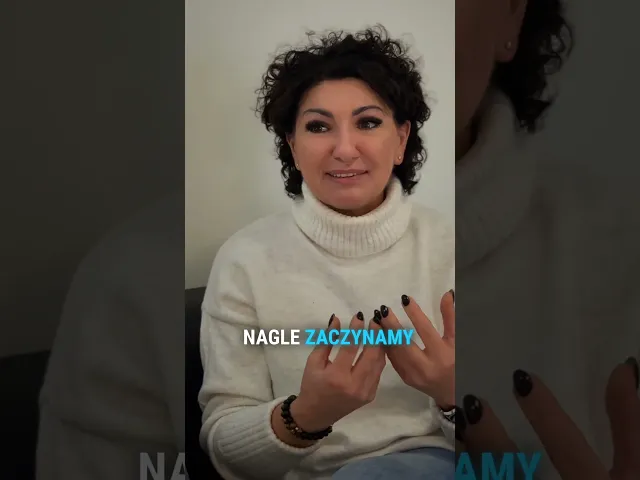
Real results. Metamorphoses that change lives.
Real-life cases of patients treated with fixed full-arch prostheses at MALO CLINIC.
The publication of these cases has been explicitly authorised by the patients, who have unreservedly consented to their public presentation, recognising the information materials presented as objectively true and capable of contributing to the free and informed choice of other patients.
The publication of these cases has been explicitly authorised by the patients, who have unreservedly consented to their public presentation, recognising the information materials presented as objectively true and capable of contributing to the free and informed choice of other patients.
The publication of these cases has been explicitly authorised by the patients, who have unreservedly consented to their public presentation, recognising the information materials presented as objectively true and capable of contributing to the free and informed choice of other patients.
What is the Digital Fixed Prosthesis Protocol?
A fixed full prosthesis in the Digital Protocol is an oral rehabilitation treatment that replaces all teeth in a dental arch with fixed teeth. They are fixed on four titanium implants placed in each jaw, during a fast, safe, minimally invasive and painless procedure.
As a result of our continuous commitment to research and development (R&D), we have recently developed the Digital Protocol for Fixed Prosthesis – a solution available exclusively at MALO CLINIC. It allows to reduce the treatment time from 8 to 4 hours, while significantly reducing the risk to the patient.
MALO CLINIC is the only clinic on the Portuguese market that offers the Digital Fixed Prosthesis Protocol!

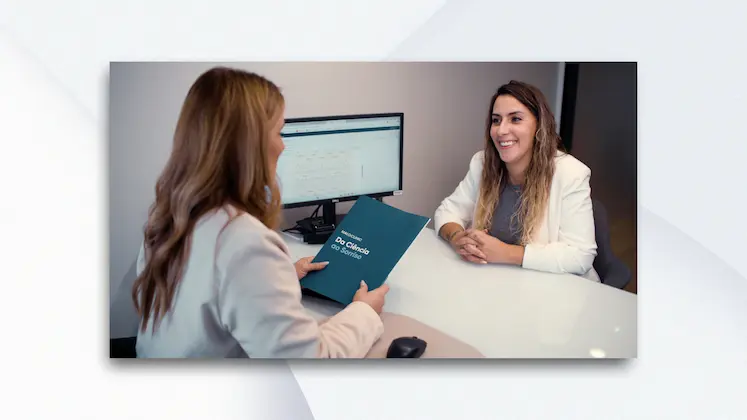
Want to find out more about the health of your mouth? Book a dental consultation.
Stages of treatment
The Digital Fixed Prosthesis Protocol – available exclusively at MALO CLINIC – is based on a structured process that combines clinical expertise with digital technology. Find out what you can expect, starting from your consultation visit.
1
Comprehensive clinical assessment
During the first visit, all information necessary to make a diagnosis is collected, including examinations and digital photographs, which allows for a reliable analysis of the case.
1
Comprehensive clinical assessment
During the first visit, all information necessary to make a diagnosis is collected, including examinations and digital photographs, which allows for a reliable analysis of the case.
2

Personalised digital planning
During a single visit, a panoramic X-ray, a CBCT (cone beam computed tomography) scan and three-dimensional images are taken using an intraoral scanner. Based on this data, the surgical procedure is virtually planned, precisely determining the size and placement of the implants.
2
Personalised digital planning
During a single visit, a panoramic X-ray, a CBCT (cone beam computed tomography) scan and three-dimensional images are taken using an intraoral scanner. Based on this data, the surgical procedure is virtually planned, precisely determining the size and placement of the implants.
3

Carrying out the procedure
On the day of the procedure, dental implants are placed based on a personalised digital plan. A temporary fixed prosthesis, developed from this plan, is then attached, allowing for the immediate restoration of chewing function and aesthetics right after the procedure.
3
Carrying out the procedure
On the day of the procedure, dental implants are placed based on a personalised digital plan. A temporary fixed prosthesis, developed from this plan, is then attached, allowing for the immediate restoration of chewing function and aesthetics right after the procedure.
4
Care and follow-up visits
Upon completion of the treatment, the patient undergoes a protocol of follow-up visits, professional oral hygiene, and implant maintenance, which guarantees the long-term durability of the results obtained.
4
Care and follow-up visits
Upon completion of the treatment, the patient undergoes a protocol of follow-up visits, professional oral hygiene, and implant maintenance, which guarantees the long-term durability of the results obtained.
5

Personalised definitive prosthesis
After the healing process of the implants (osseointegration) is complete, which is usually after 4 to 6 months, the temporary prosthesis is replaced with the permanent prosthesis. It is fully customised for each patient, meeting all functional and aesthetic requirements.
5
Personalised definitive prosthesis
After the healing process of the implants (osseointegration) is complete, which is usually after 4 to 6 months, the temporary prosthesis is replaced with the permanent prosthesis. It is fully customised for each patient, meeting all functional and aesthetic requirements.
Check if permanent full denture treatment is right for you
Check if permanent full denture treatment is right for you
Our patients' experiences
See the feedback from patients who have regained their smile and self-confidence thanks to this treatment.


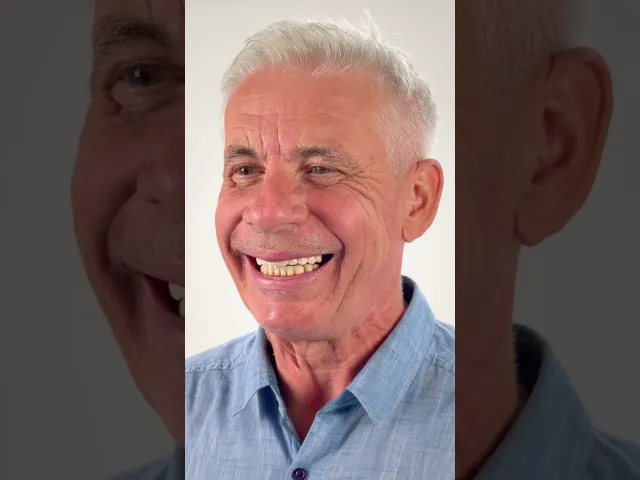

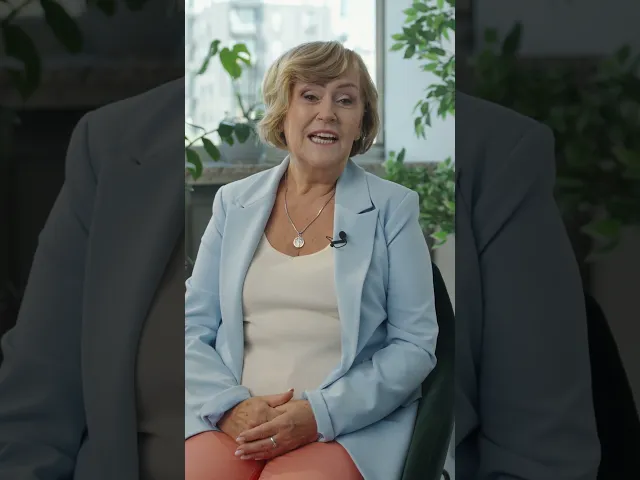
The publication of these cases has been explicitly authorised by the patients, who have unreservedly consented to their public presentation, recognising the information materials presented as objectively true and capable of contributing to the free and informed choice of other patients.
Main advantages of a fixed full denture in the Digital Protocol
A more comfortable procedure
Because this procedure is faster, all stages – including fitting the prosthesis – are carried out while still under anaesthetic, which significantly reduces patient discomfort.
Because this procedure is faster, all stages – including fitting the prosthesis – are carried out while still under anaesthetic, which significantly reduces patient discomfort.
Broad indications
The procedure may be indicated for patients with specific conditions, such as diabetes or osteoporosis, always following a prior individual clinical assessment.
The procedure may be indicated for patients with specific conditions, such as diabetes or osteoporosis, always following a prior individual clinical assessment.
Easy maintenance
A fixed prosthesis is easy to clean, which facilitates effective daily oral hygiene and contributes to the longevity of the treatment results.
A fixed prosthesis is easy to clean, which facilitates effective daily oral hygiene and contributes to the longevity of the treatment results.
Frequently asked questions
1
Is this treatment right for me?
This treatment may be indicated for patients who have lost all or most of their teeth, as well as for individuals who use removable dentures and are looking for a permanent, comfortable solution. In some cases, it may also be an option even with significant bone loss – always following a prior, individual clinical assessment carried out by the MALO CLINIC team.
2
Is the treatment painful?
The treatment is performed under local anaesthesia, which means that the patient does not feel pain during the procedure. After the treatment, temporary discomfort may occur, which is usually well controlled thanks to clinical recommendations.
3
How long does the treatment take?
Treatment involves various stages – from assessment and planning right through to fitting the final prosthesis. The timeline is clearly discussed during the consultation visit, in accordance with each patient's needs.
4
Is the prosthesis really permanent?
Yes. It is a fixed prosthesis, attached to dental implants, which the patient does not remove on a daily basis. It provides greater stability and comfort compared to removable dentures.
5
What does maintenance and hygiene look like?
A fixed prosthesis allows for effective daily oral hygiene, similar to caring for natural teeth. This is complemented by regular check-ups and hygiene appointments recommended by the medical team.
6
Are the results long-lasting?
With good oral hygiene and appropriate medical care, the results are long-lasting. The durability of the effects also depends on daily care and recommended follow-up visits.
MALO CLINIC
Malo Clinic Polska sp. z o.o. registered in the District Court for the Capital City of Warsaw, 13th Commercial Division of the National Court Register under KRS number: 0000242331, share capital PLN 300,000.00, NIP (Tax Identification Number) 525-234-17-37, REGON (National Business Registry Number) 140078686
SWIFT: BIGBPLPW | Bank Millennium SA | ul. S. Żaryna 2A, 02-593 Warszawa | Poland
MALO CLINIC WARSZAWA Bank account: PL 06 1160 2202 0000 0000 6313 6153
MALO CLINIC SZCZECIN Bank account: PL 36 1160 2202 0000 0007 2348 1155
@ 2026 ALL RIGHTS RESERVED - MALO CLINIC SA
Developed by