Tartar
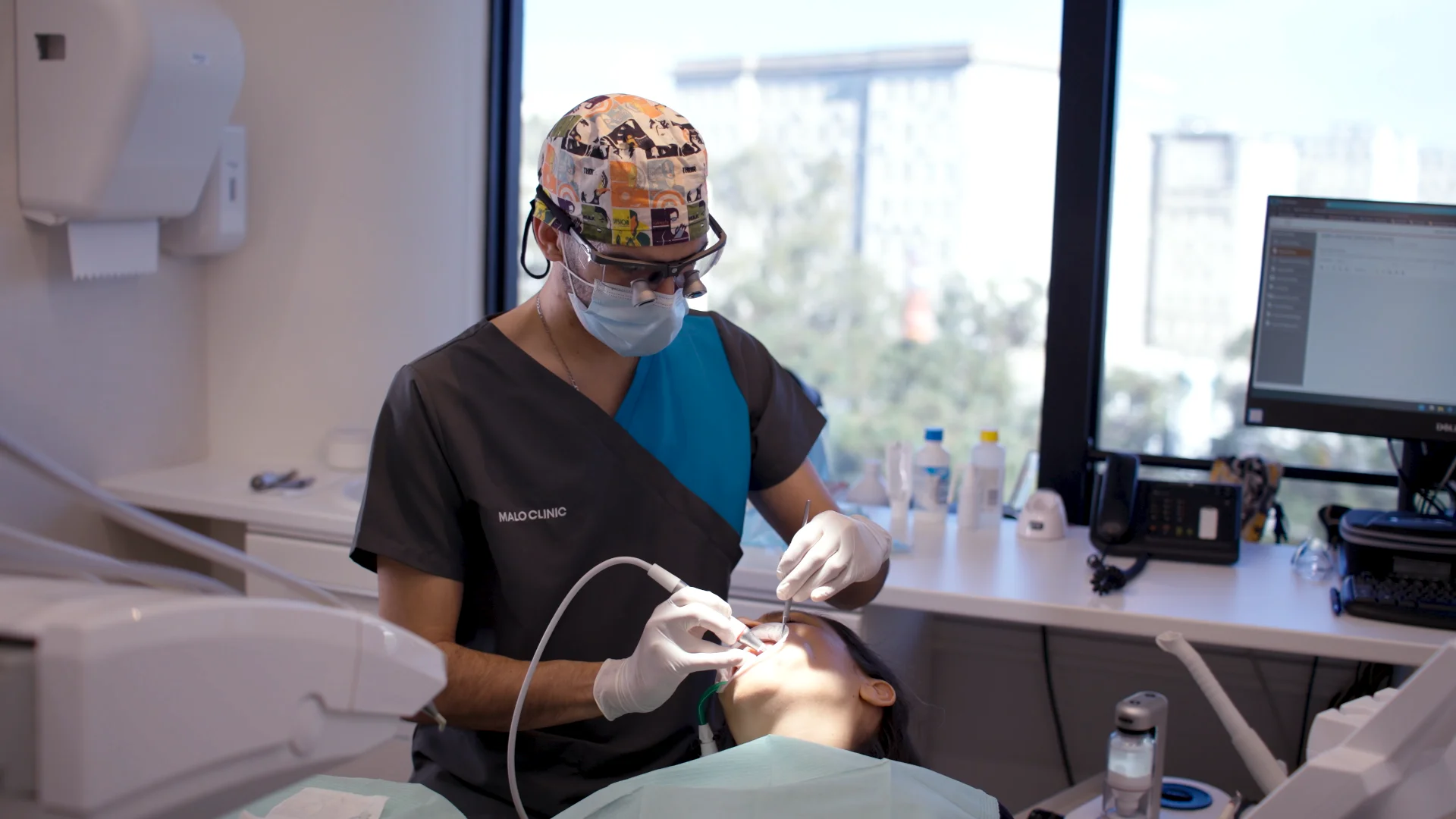
Tartar is hardened dental plaque on the teeth and gums, causing tooth decay, gum disease and bad breath. It requires removal by a hygienist or dentist.
What is tartar?
Dental tartar is hardened dental plaque that deposits on the teeth, below the gumline and on hard structures in the oral cavity, such as dentures or implants. It is formed as a result of the accumulation of bacteria, food debris and saliva that have not been removed during brushing and flossing.
In addition to its negative impact on the aesthetics of the smile – due to its yellowish colouration – dental tartar can cause tooth decay, gingivitis, periodontitis (periodontal disease) and bad breath. Its removal requires the intervention of a dentist or dental hygienist.
Main causes
The development of tartar is usually associated with a combination of several factors, among which are:
Poor oral hygiene
Frequent consumption of food and drinks rich in sugar
Accumulation of bacterial plaque (dental plaque)
Reduced salivation (dry mouth)
No regular dental check-ups
Possible symptoms
Symptoms associated with the presence of hardened plaque can vary depending on its amount and overall oral health, but the most common include:
Visible deposits on teeth
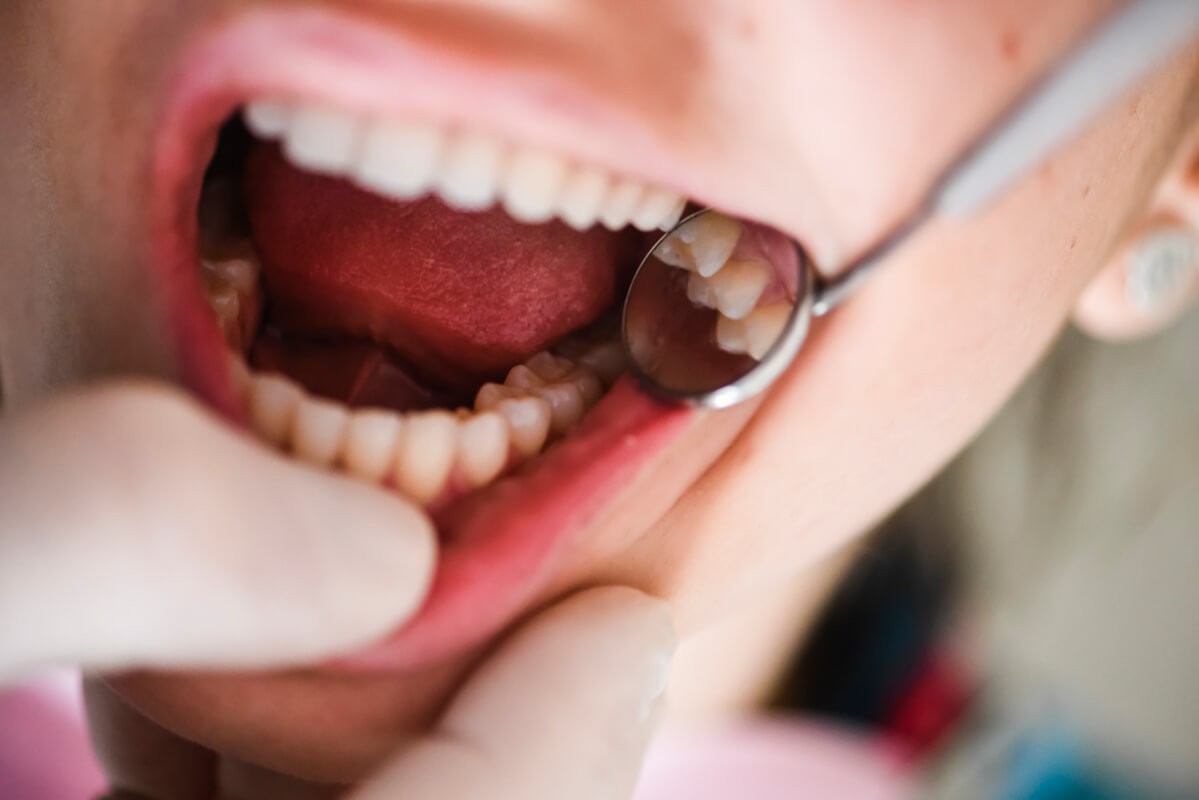
tartar is visible as hard, yellowish deposits, especially along the gumline.
Gum inflammation and bleeding
The presence of tartar can cause inflammation of the gums (gingivitis), and in more severe cases, periodontitis. Gums become red, swollen, and prone to bleeding during brushing or flossing.
Bad breath (Halitosis)
The porous and rough structure of the stone promotes the accumulation of bacteria, causing a chronic unpleasant odour that persists despite daily hygiene.
Gingival recession
The destructive effect of tartar and the periodontal diseases it causes can lead to receding gums. Teeth visually appear longer as a result of the gradual exposure of the roots, which increases the risk of tooth decay and sensitivity.
Tooth sensitivity
Exposure of tooth necks and roots as a result of gum recession can cause pain and sensitivity to hot, cold, or sweet foods, as well as discomfort during brushing.
Toothache or tooth mobility
In advanced stages of periodontitis, unremoved tartar leads to the loss of bone support for the teeth. Teeth begin to become loose and, in extreme cases, may fall out.

Tartar is hardened plaque that causes tooth decay, gingivitis and bad breath. If you notice these symptoms in yourself, book an appointment for a professional teeth cleaning.
Removing dental tartar is crucial for maintaining oral health and preventing complications. Treatment options include professional procedures performed by a dental hygienist or dentist, as well as proper home hygiene practices that prevent the formation of hardened bacterial plaque.
