Dental prosthetics

Dental prosthetics

A field of dentistry dealing with the reconstruction of missing teeth and the restoration of function, aesthetics, and the comfort of a smile.

About the Prosthodontics specialisation

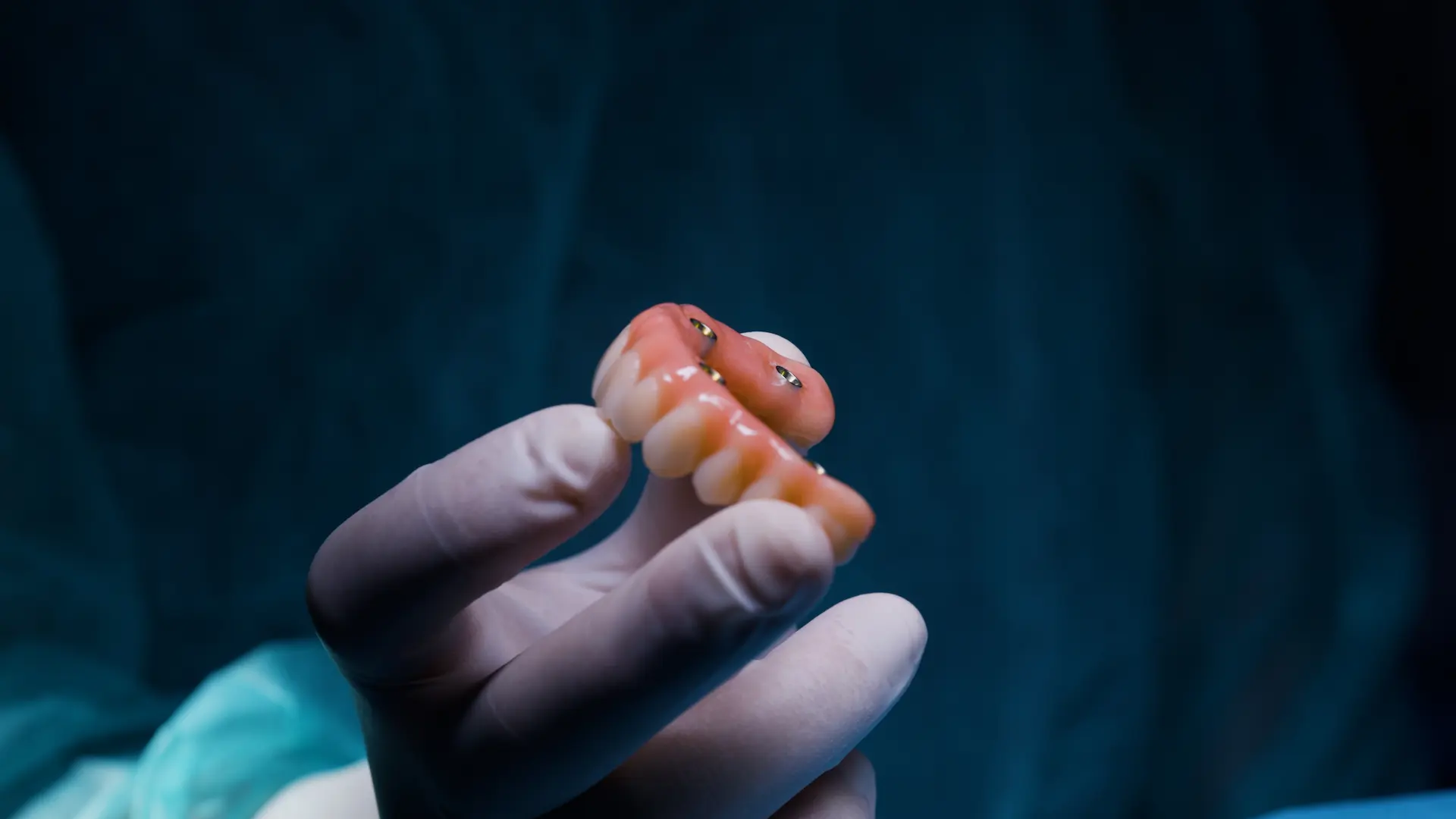
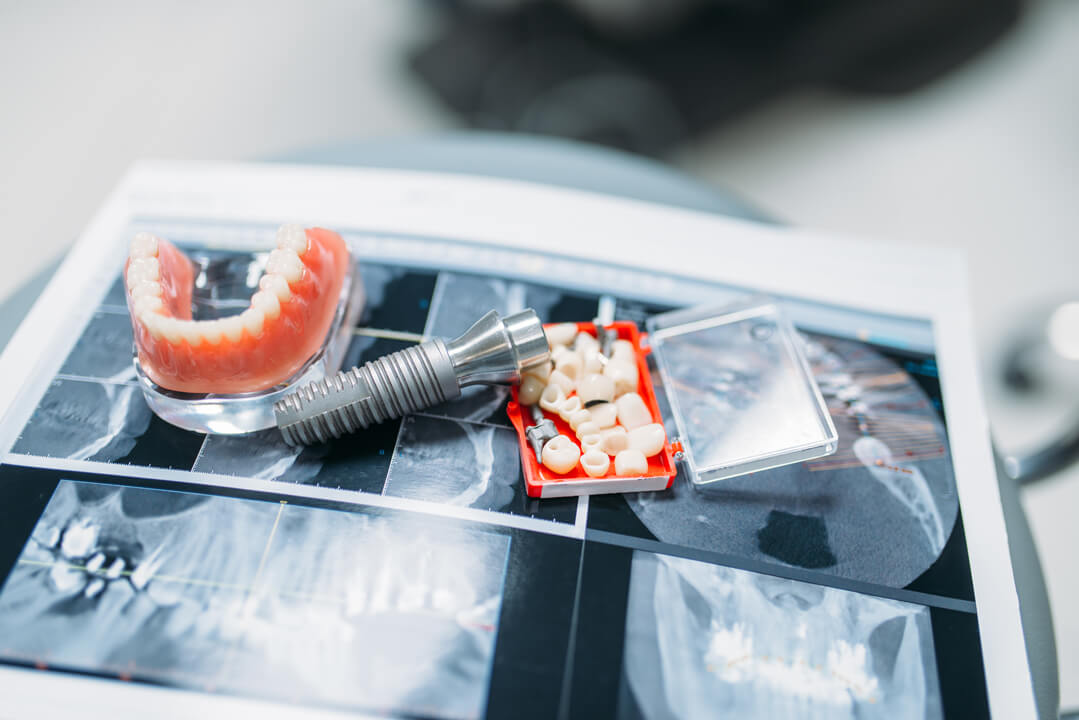
Prosthodontics is a field of dentistry that enables the reconstruction of damaged teeth or the replacement of missing ones, restoring function, health and aesthetics by means of dental prostheses. Missing teeth can be replaced using fixed or removable dentures, attached either to the patient's own teeth or to implants.

Working closely with other fields, such as oral surgery, implantology, endodontics, conservative dentistry, orthodontics or periodontics, prosthodontics is responsible for restoring the proper functions of the oral cavity. This is achieved by reconstructing and repairing damaged teeth using dental crowns or by placing dentures (single, partial or complete) to fill in missing teeth.
About Prosthodontics specialisation

Prosthetic solutions – which one is best for you?

Each clinical case is different, which is why dental prosthetics offers solutions tailored to the individual needs of each patient.
Dental veneers

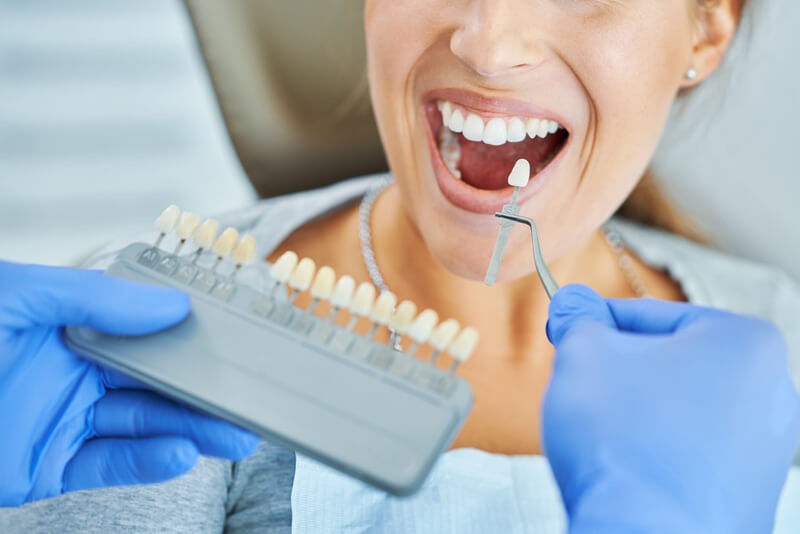
Dental veneers are thin ceramic or composite shells that are bonded to the front surface of the teeth to improve their appearance – in terms of altering shape, colour, and aligning the tooth line. In this sense, they act like very thin contact lenses (restorations), providing excellent aesthetics in an extremely minimally invasive way, as they require minimal, and in some cases zero, tooth preparation.

Benefits of dental prosthetics for oral health

1

1

Restoration of chewing function:

Dentures are designed to replace missing or damaged teeth, allowing patients to chew food properly. This not only improves the ability to enjoy a fully nutritious diet, but also aids digestion and benefits overall digestive health.

2

2

Restoration of correct speech:

Missing teeth can affect speech, causing difficulties in pronouncing certain sounds. Dentures help restore clear speech, which improves communication and facilitates social interactions.

3

3

Relief from pain and discomfort:

In patients with damaged or missing teeth, dental prostheses can help relieve pain and discomfort associated with chewing, speech and the abnormal shifting of remaining teeth.

4

4

Preservation of facial structure:

Tooth loss can lead to bone loss (resorptive shrinkage) and reduced support for facial tissues, which often results in changes to appearance, such as the emergence of wrinkles or sagging of the lips. Properly designed dentures help preserve the facial structure and maintain a more youthful appearance.

5

5

Aesthetic improvement:

Dentures can restore the natural appearance of a smile, improving patients' self-esteem and confidence. This is particularly important for individuals who struggle with aesthetic issues due to missing, discoloured, or damaged teeth.

6

6

Prevention of oral cavity problems:

Replacing missing or damaged teeth can help prevent many dental problems, such as the shifting of adjacent teeth, tilting of teeth neighboring the gap, temporomandibular joint (TMJ) disorders, and bone loss.

Our clinical team is here to help you.

At MALO CLINIC, your oral health is our priority.

Our medical team is here to help you.
  • Digital planning

    Digital planning

  • Digital planning

    Digital planning

  • Intraoral scanner

    Intraoral scanner

  • Intraoral scanner

    Intraoral scanner

  • CAD software

    CAD software

  • CAD software

    CAD software

  • Digital planning

    Digital planning

  • Intraoral scanner

    Intraoral scanner

  • CAD software

    CAD software

  • Digital planning

    Digital planning

  • Digital planning

    Digital planning

  • Intraoral scanner

    Intraoral scanner

  • Intraoral scanner

    Intraoral scanner

  • CAD software

    CAD software

  • CAD software

    CAD software

  • Digital planning

    Digital planning

  • Intraoral scanner

    Intraoral scanner

  • CAD software

    CAD software

Technology and innovation in the service of dental prosthetics

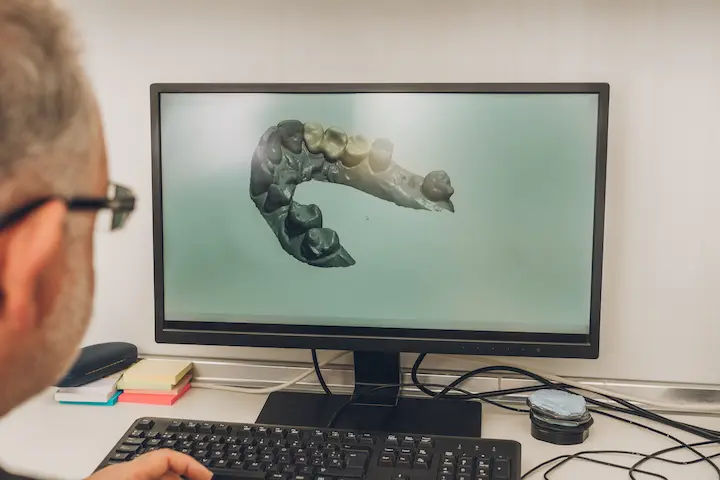
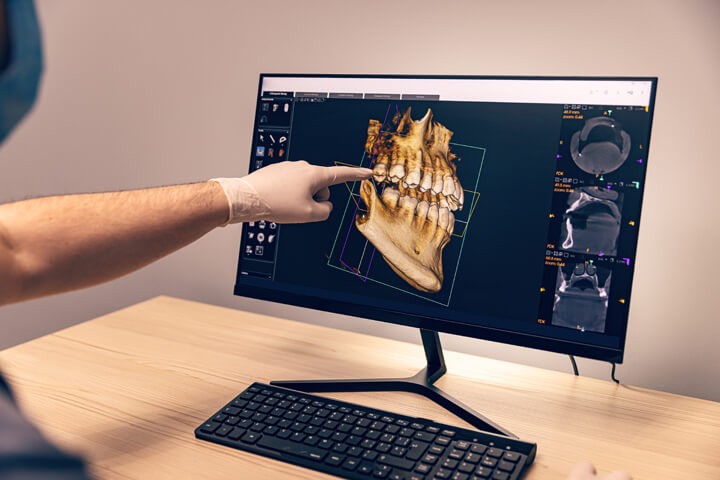
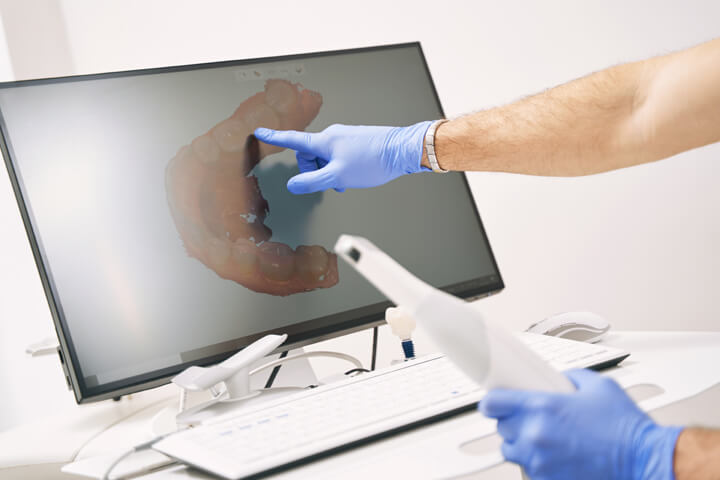
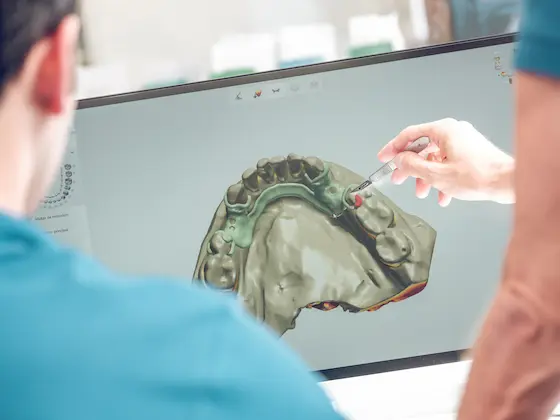
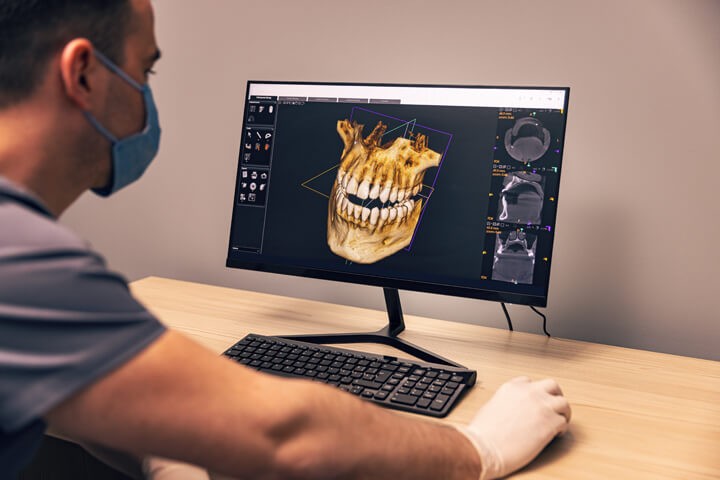
At MALO CLINIC, dental prosthodontics combines advanced technology, innovation and clinical precision to guarantee predictable and highly personalised results. The use of intraoral scanners, digital planning and CAD software allows for extremely accurate data collection and optimises communication between the clinician and the MALO CLINIC laboratory.

Prosthesis production is based on CAD/CAM technology, 3D printing and precise milling using materials of high strength and natural aesthetics. Provisional prostheses, created on the basis of digital planning, allow function, comfort and aesthetics to be tested before the final work is fabricated, ensuring that the permanent prosthesis offers the patient the highest quality, comfort and natural appearance.

What conditions can dental prosthetics treat?

Partial or complete tooth loss

Replacing missing teeth with fixed or removable dentures, attached to the patient's own teeth or implants, restoring stability, function and confidence in everyday life.

Replacing missing teeth with fixed or removable dentures, attached to the patient's own teeth or implants, restoring stability, function and confidence in everyday life.

Partial or complete tooth loss

Replacing missing teeth with fixed or removable dentures, attached to the patient's own teeth or implants, restoring stability, function and confidence in everyday life.

Damaged or broken teeth

Tooth wear caused by bruxism or the natural ageing process can lead to occlusal disorders and premature ageing of the smile. Extensive fractures or deep destruction of the tooth structure compromise its integrity and oral functions.

Tooth wear caused by bruxism or the natural ageing process can lead to occlusal disorders and premature ageing of the smile. Extensive fractures or deep destruction of the tooth structure compromise its integrity and oral functions.

Damaged or broken teeth

Aesthetic dental defects

Crowding and irregularities, changes in the shape, size or colour of teeth can negatively affect the harmony of a smile.

Crowding and irregularities, changes in the shape, size or colour of teeth can negatively affect the harmony of a smile.

Aesthetic dental defects

Clinical team

A team of qualified doctors, ensuring safe, individually tailored care and the highest level of comfort throughout the entire treatment process.

Katarzyna Babik, DDS

Katarzyna Babik, DDS

Katarzyna Pindelska, DDS

Katarzyna Pindelska, DDS

Joao Martins, DDS

Joao Martins, DDS

  • Katarzyna Babik, DDS

    Katarzyna Babik, DDS

  • Katarzyna Pindelska, DDS

    Katarzyna Pindelska, DDS

  • Joao Martins, DDS

    Joao Martins, DDS

  • Dr Izabela Rajca, DDS

    Dr Izabela Rajca, DDS

  • Katarzyna Babik, DDS

    Katarzyna Babik, DDS

  • Katarzyna Pindelska, DDS

    Katarzyna Pindelska, DDS

  • Joao Martins, DDS

    Joao Martins, DDS

  • Dr Izabela Rajca, DDS

    Dr Izabela Rajca, DDS

Frequently asked questions

1

What is the difference between veneers, crowns and dental bridges, and how do I know which option is best for me?

Dental veneers are thin shells made of restorative material, such as ceramic or composite, which are bonded to the front surface of teeth to improve the aesthetics of a smile. They are mainly used to correct aesthetic defects, such as discolouration, chips, minor crowding or gaps between teeth (diastemas).

Prosthetic crowns are protective caps that completely cover a damaged or weakened tooth, restoring its shape, function and strength. They are recommended for teeth that are severely damaged by decay, trauma or excessive wear.

Prosthetic bridges are fixed restorations used to replace one or more missing teeth. They are anchored to the natural teeth adjacent to the gap or to dental implants. Typically, they are used in cases of tooth loss where a permanent restoration is desired to improve chewing, speech and smile aesthetics.

The choice of the best prosthetic solution for a given patient depends on the following factors:

  • The goal of the prosthetic treatment (aesthetic, functional or both).

  • The condition of the adjacent teeth and the abutment teeth (providing support).

  • The patient's aesthetic preferences.

  • The overall and oral health of the patient, including the presence of periodontal disease or decay.

  • A consultation visit and prosthetic examination are key to assessing these factors and selecting the best treatment option for each patient.

2

During prosthetic treatment, will the denture affect my facial appearance and the aesthetics of my smile?

A dental prosthesis can have a significant impact on facial appearance and the aesthetics of a patient's smile. Here are the main aspects to consider:

  • Restoration of smile aesthetics: A dental prosthesis is designed to replace missing, damaged, or weakened teeth, restoring the natural appearance of the smile. This can include correcting gaps between teeth, crowding, discolouration, chipping, or other aesthetic imperfections.

  • Support for facial tissues and lip structures: Missing teeth can lead to a loss of support for facial structures and sagging of the contours of the lips and cheeks. A well-designed prosthesis helps restore proper support, filling in empty spaces and helping to maintain a younger, healthier appearance.

  • Improved self-esteem and confidence: A harmonious appearance of the face and smile has a positive impact on a person's self-esteem and confidence. By restoring the aesthetics of the smile, prosthetic treatment helps patients feel more confident and derive greater satisfaction from their appearance.

  • Alignment of lip and cheek lines: Tooth loss can lead to sagging of soft tissues, resulting in narrow lips, drooping cheeks, and facial wrinkles. An appropriate dental prosthesis helps restore proper tension and the line of the lips and cheeks, ensuring a younger and more energetic appearance.

  • Correction of facial disproportions: In cases of extensive tooth loss or malocclusion (incorrect bite), a dental prosthesis can be part of a comprehensive treatment plan aimed at correcting disproportions and improving the overall harmony of facial features.

Important: To achieve the best aesthetic results from prosthetic treatment, open communication between the patient and the prosthodontist is crucial.

Articles related to oral health

Book a consultation

Book a consultation

Fill in the form and we will contact you.

I consent to the processing of my data by MALO CLINIC for marketing purposes (campaigns, benefits, offers,...) via electronic mail (Email) and SMS messages.

Thank you, the form has been submitted

Book a consultation

Book a consultation

Fill in the form and we will contact you.

I consent to the processing of my data by MALO CLINIC for marketing purposes (campaigns, benefits, offers,...) via electronic mail (Email) and SMS messages.

Thank you, the form has been submitted

Book a consultation

Book a consultation

Fill in the form and we will contact you.

I consent to the processing of my data by MALO CLINIC for marketing purposes (campaigns, benefits, offers,...) via electronic mail (Email) and SMS messages.

Thank you, the form has been submitted

Malo Clinic Polska sp. z o.o. registered in the District Court for the Capital City of Warsaw, 13th Commercial Division of the National Court Register under KRS number: 0000242331, share capital PLN 300,000.00, NIP (Tax Identification Number) 525-234-17-37, REGON (National Business Registry Number) 140078686

SWIFT: BIGBPLPW | Bank Millennium SA | ul. S. Żaryna 2A, 02-593 Warszawa | Poland

MALO CLINIC WARSZAWA Bank account: PL 06 1160 2202 0000 0000 6313 6153

MALO CLINIC SZCZECIN Bank account: PL 36 1160 2202 0000 0007 2348 1155

Developed by