Endodontics

Endodontics

Treatment of tooth pain and sensitivity.

About endodontics

Endodontics deals with the treatment of diseases of the tooth pulp (commonly referred to as the "nerve"), which is located inside the tooth and is responsible for its nourishment and sensation. In the case of irreversible inflammation or necrosis, root canal treatment (devitalisation) is necessary to save the tooth and prevent infections and abscesses, while also allowing for the restoration of chewing function after tooth reconstruction.

In cases of failure of previous treatment, a repeated root canal treatment (re-endodontics) is the recommended solution. It involves removing the existing filling, re-disinfecting the canals, and then tightly sealing them and reconstructing the tooth. Damage to the pulp can be the result of deep cavities, trauma, or fractures, and manifests as pain, hypersensitivity to cold and heat, discomfort when biting, and sometimes also swelling, abscess, or fistula.
About endodontics

Solutions in endodontics – which is best for you?

Every clinical situation is different, which is why endodontics offers solutions tailored to the individual needs of each patient.
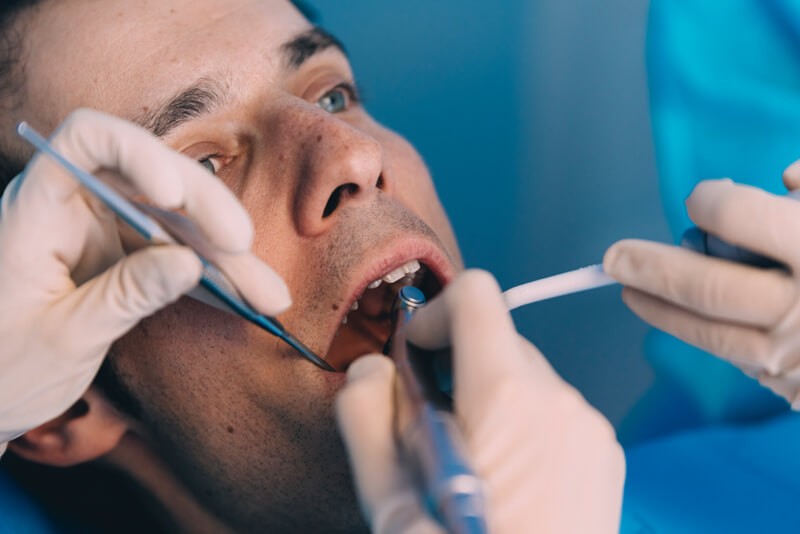
Root canal treatment

Under local anaesthesia, an opening is made in the tooth to remove the infected pulp, and the root canals are then cleaned, filled and tightly sealed. Depending on the complexity of the case, it is not always possible to perform full endodontic treatment during just a single visit. In such situations, a temporary filling is placed in the access cavity, the purpose of which is to protect the tooth between visits until its final restoration.

Benefits of endodontics for oral health

1

1

Pain relief:

Endodontic treatment is most commonly performed to relieve severe pain associated with inflammation or infection of the tooth pulp. By removing the damaged tissue, pain and discomfort are eliminated. The return to full comfort after the procedure is usually rapid.

2

2

Preventing infections:

By removing the infected pulp and disinfecting the tooth's root canals, the treatment helps prevent the infection from spreading to surrounding tissues, such as the bone and gums.

3

3

Preservation of tooth structure:

Endodontics allows for the preservation of the natural structure of the tooth, which would otherwise have to be extracted. In addition to the tooth retaining its original function, this helps maintain the integrity of the dental arch and prevents issues with occlusion (bite) and the shifting of adjacent teeth, which often accompanies tooth loss.
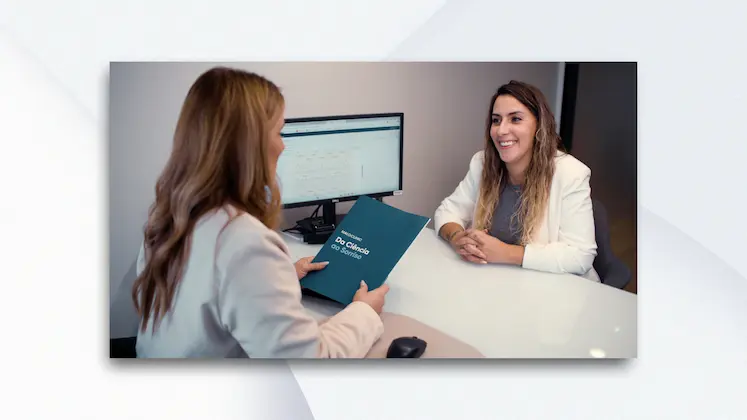
Our clinical team is here to help you.

At MALO CLINIC, your oral health is our priority.

Our medical team is here to help you.
  • Operating microscope

    Operating microscope

  • Operating microscope

    Operating microscope

  • Operating microscope

    Operating microscope

  • Operating microscope

    Operating microscope

  • Operating microscope

    Operating microscope

  • Operating microscope

    Operating microscope

  • Operating microscope

    Operating microscope

  • Operating microscope

    Operating microscope

  • Operating microscope

    Operating microscope

Technology and innovation in endodontics

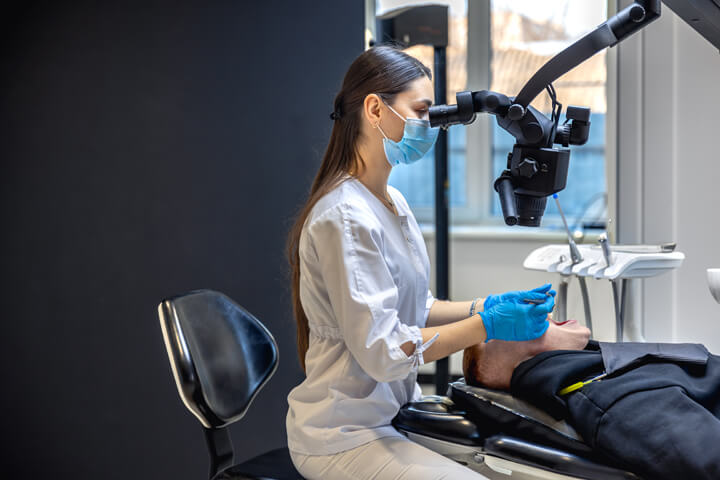
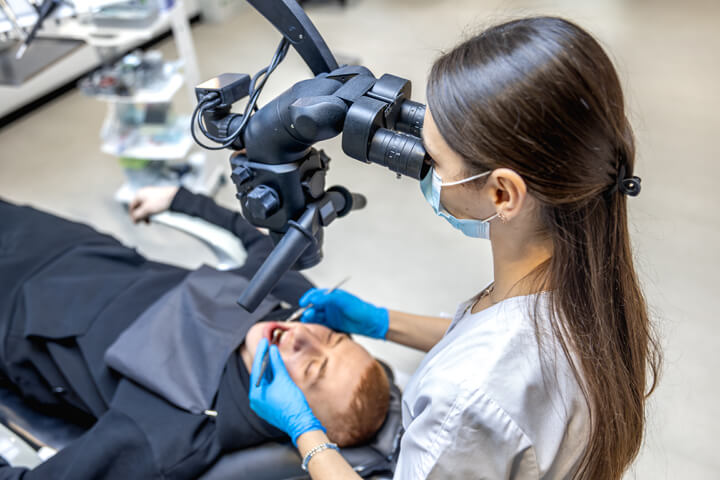
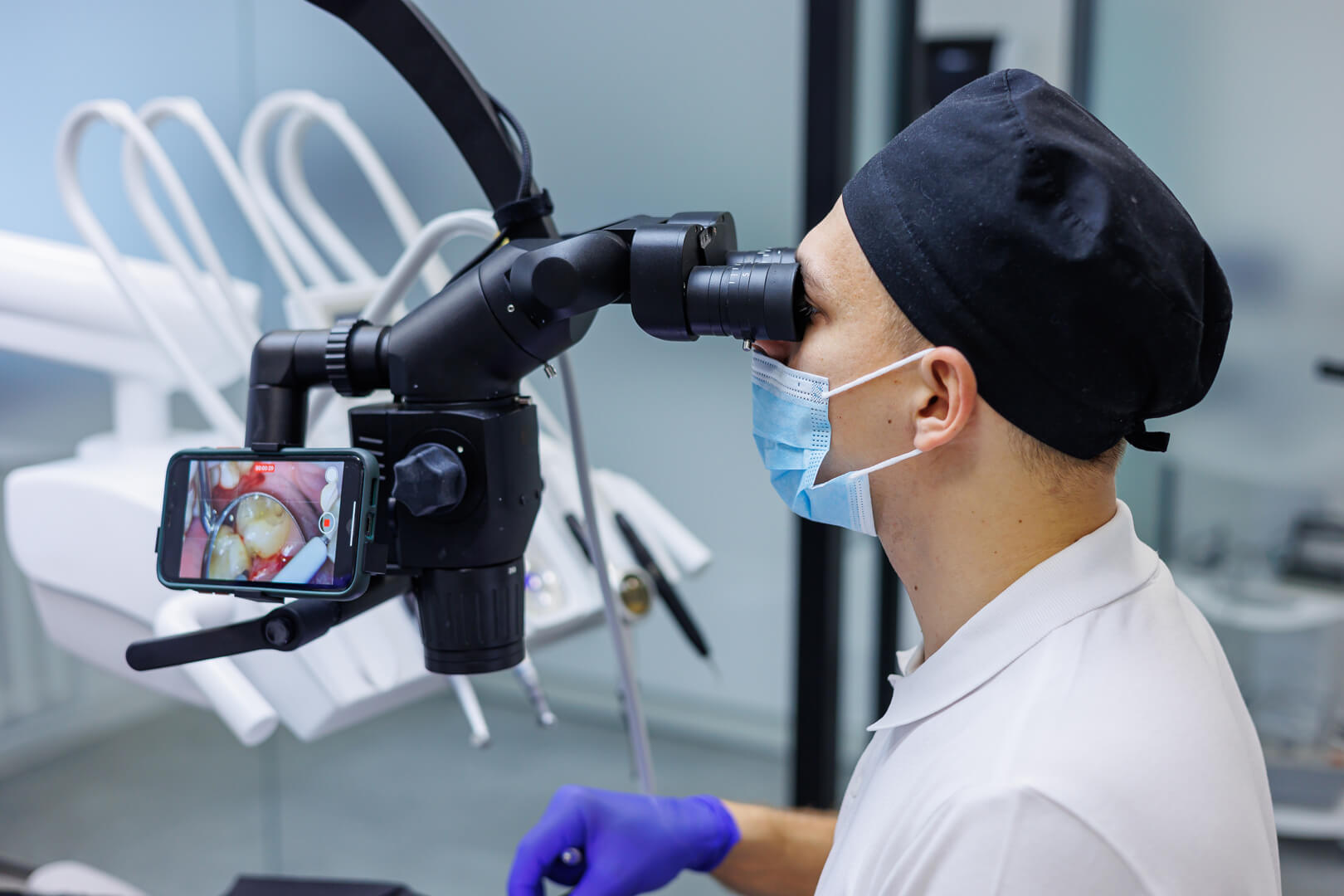
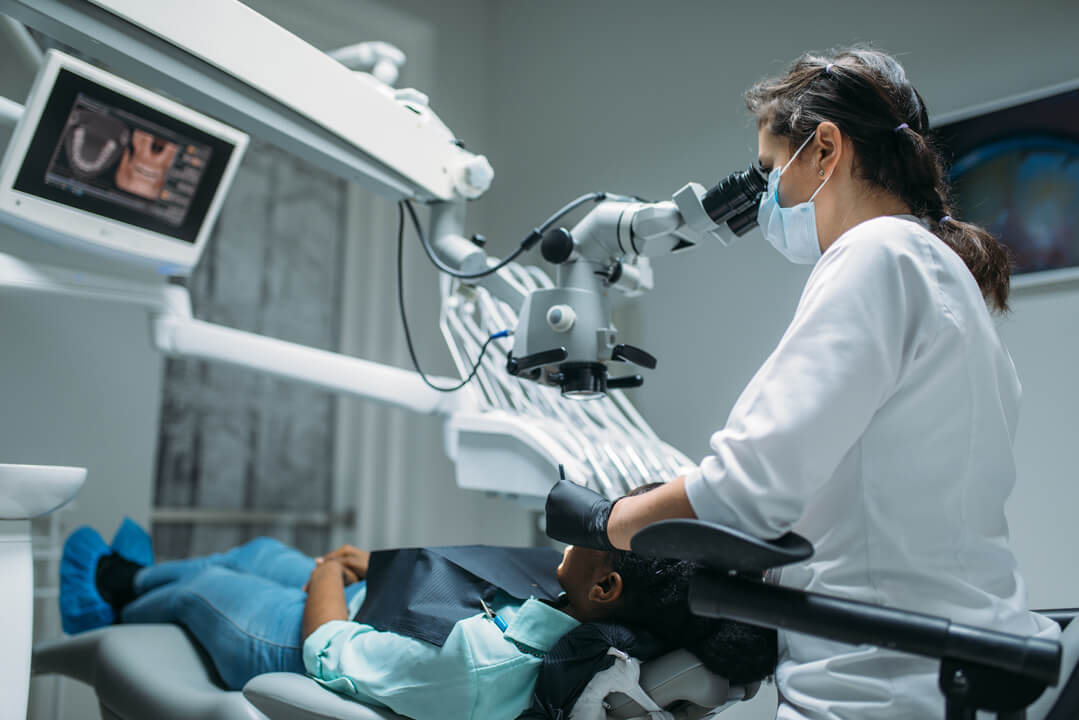
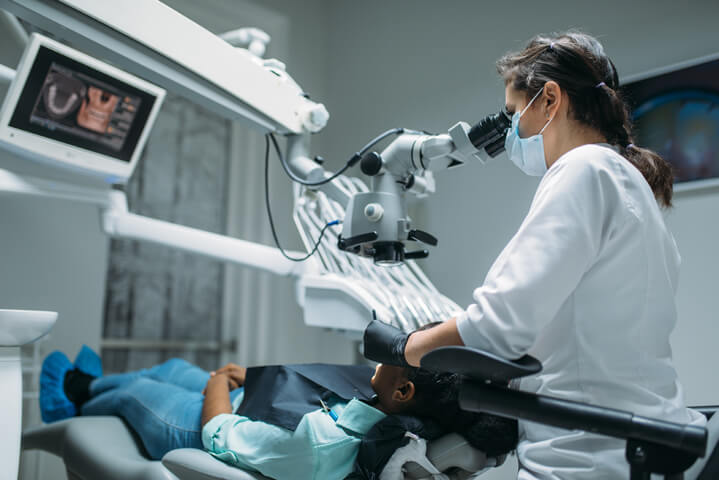
At MALO CLINIC, the combination of state-of-the-art technology, continuous innovation, and clinical experience translates into more advanced techniques that make it possible to save teeth which in the past would have been destined for extraction. One of the greatest achievements in endodontics is the use of the operating microscope, which allows for a detailed magnification of the complex root canal system.

This technology enables the dentist to identify, disinfect, and fill microscopic areas that would be invisible to the naked eye, significantly increasing the success rate of treatments, particularly in root canal retreatments (re-endodontics). Furthermore, microscopy allows for the precise removal of old materials and the detection of canals missed during previous interventions.

Clinical team

A team of qualified doctors, ensuring safe, individually tailored care and the highest level of comfort throughout the entire treatment process.

Iwona Pitera, DDS

Iwona Pitera, DDS

Anna Grabowska, DDS

Anna Grabowska, DDS

  • Iwona Pitera, DDS

    Iwona Pitera, DDS

  • Anna Grabowska, DDS

    Anna Grabowska, DDS

  • Iwona Pitera, DDS

    Iwona Pitera, DDS

  • Anna Grabowska, DDS

    Anna Grabowska, DDS

Frequently asked questions

1

What symptoms might indicate the need for endodontic treatment?

There are several signs and symptoms that may indicate the need for endodontic treatment (root canal treatment):

  • Severe or continuous toothache, especially during chewing or applying pressure, which may indicate an infection of the tooth pulp;

  • Extreme sensitivity to heat and/or cold that persists for more than a few seconds after the stimulus is removed;

  • Swelling of the gum or surrounding area of the tooth, which may mean an infection extending beyond the tooth pulp;

  • Physical trauma or damage resulting in fractures or severe destruction of the tooth, which can expose and compromise the health of the pulp;

  • Discoloration of the tooth to grey or even black, which may be an indicator of pulp death.

If you are experiencing one or more of these symptoms, it is important to consult a dentist as soon as possible for an accurate assessment of the need for root canal treatment. Early initiation of endodontic treatment can help save the tooth and prevent more serious complications in the future.

2

Is endodontic treatment painful?

Endodontic treatment is carried out under local anaesthesia, which guarantees that no pain is felt during the entire procedure. The precision and efficiency provided by microscopic endodontics also translate into a gentler and less invasive procedure, which contributes to reducing post-treatment discomfort and accelerates the recovery process. Even so, after the treatment is completed, slight discomfort may be felt, which can be easily managed with pain relief medication recommended by your dentist.

3

How to care for a tooth to prolong the durability of endodontic treatment?

After completing endodontic treatment, it is important to implement specific care principles, which will certainly influence the long-term success of the therapy. In the first few days after the procedure, avoid hard, sticky or very hot foods, as they can cause discomfort or damage the treated tooth. You should also avoid activities that could cause trauma to the treated area, such as teeth grinding, biting hard objects or playing contact sports without a proper mouthguard.

If your dentist prescribes medication, such as painkillers or antibiotics, it is crucial to take them responsibly as directed to help manage pain and prevent infection. To ensure the longevity of the treatment, it is equally important to maintain oral hygiene by brushing your teeth at least twice a day, without applying excessive pressure to the treated area. Furthermore, flossing is essential to remove any debris that may remain between the teeth. Do not forget to follow your dentist's recommendations regarding follow-up visits and to make any adjustments that may be necessary. 

Articles related to oral health

⭐️

Connect to Content

Add layers or components to make infinite auto-playing slideshows.

Book a consultation

Book a consultation

Fill in the form and we will contact you.

I consent to the processing of my data by MALO CLINIC for marketing purposes (campaigns, benefits, offers,...) via electronic mail (Email) and SMS messages.

Thank you, the form has been submitted

Book a consultation

Book a consultation

Fill in the form and we will contact you.

I consent to the processing of my data by MALO CLINIC for marketing purposes (campaigns, benefits, offers,...) via electronic mail (Email) and SMS messages.

Thank you, the form has been submitted

Book a consultation

Book a consultation

Fill in the form and we will contact you.

I consent to the processing of my data by MALO CLINIC for marketing purposes (campaigns, benefits, offers,...) via electronic mail (Email) and SMS messages.

Thank you, the form has been submitted

Malo Clinic Polska sp. z o.o. registered in the District Court for the Capital City of Warsaw, 13th Commercial Division of the National Court Register under KRS number: 0000242331, share capital PLN 300,000.00, NIP (Tax Identification Number) 525-234-17-37, REGON (National Business Registry Number) 140078686

SWIFT: BIGBPLPW | Bank Millennium SA | ul. S. Żaryna 2A, 02-593 Warszawa | Poland

MALO CLINIC WARSZAWA Bank account: PL 06 1160 2202 0000 0000 6313 6153

MALO CLINIC SZCZECIN Bank account: PL 36 1160 2202 0000 0007 2348 1155

Developed by