Oral hygiene

Oral hygiene

The key to oral health prevention.

On oral hygiene

Oral hygiene is a key area of dentistry, focusing on the prevention, diagnosis, and treatment of oral diseases. It is also essential for maintaining the results of treatment in other specialities through regular tartar removal (scaling) procedures.

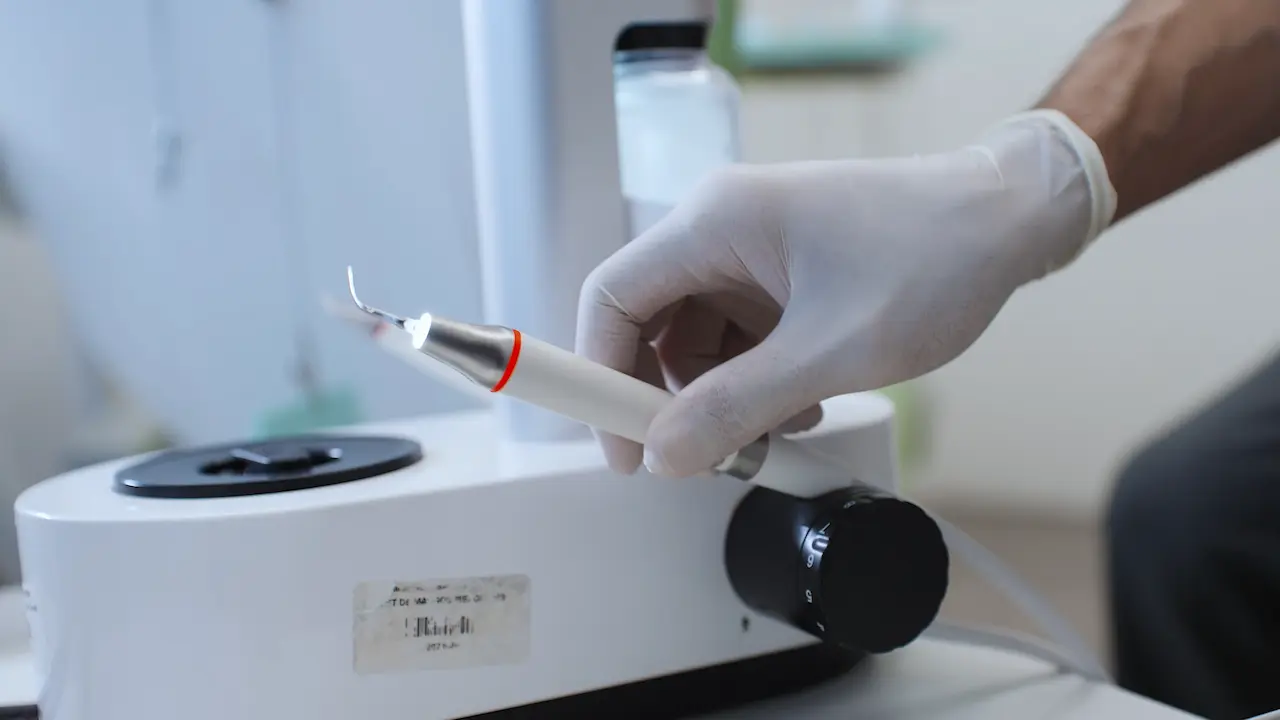
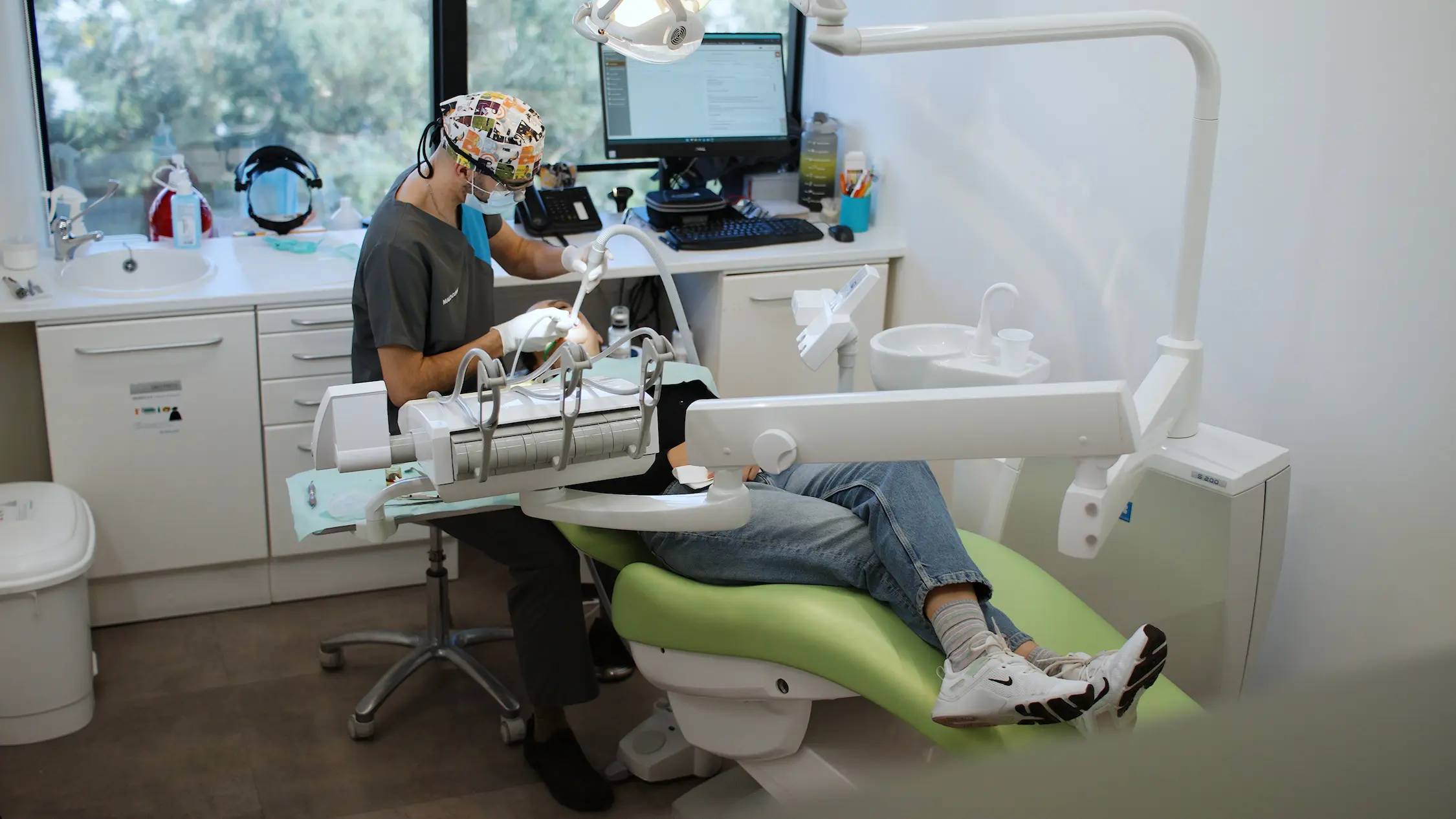
At MALO CLINIC, a hygienist appointment lasts approximately 1 hour and includes a detailed assessment of the condition of the teeth and gums, followed by professional cleaning to remove bacterial plaque and tartar. We use the GBT protocol – Guided Biofilm Therapy, a modern, minimally invasive, and painless approach that eliminates biofilm, tartar, and staining, ensuring a high level of comfort during the procedure, even for patients with tooth sensitivity.

Benefits of oral hygiene

1

1

Prevention of oral health and general health:

Symptoms resulting from a lack of a diligent oral hygiene routine can affect health and overall quality of life. There are other systemic problems that can arise or worsen due to a lack of proper hygiene or professional teeth cleaning, namely: diabetes, lung disease or heart disease.

2

2

Oral cancer screening:

An examination aimed at identifying signs and symptoms associated with oral cancer, such as the presence of white or red patches, harder or softer lumps, as well as ulcers or mouth sores that do not heal.

3

3

Maintaining treatment effects:

All preventive and therapeutic treatments performed during these visits contribute to the durability of previously completed treatments, such as crowns, bridges, fillings, orthodontic appliances, or root canal treatment (devitalisation).

4

4

Long-lasting smile

A hygiene appointment helps to prolong the health of your smile, preventing the onset of pathologies such as gingivitis or periodontitis, which could negatively affect the function and aesthetics of your smile.
Our clinical team is here to help you.

At MALO CLINIC, your oral health is our priority.

Our medical team is here to help you.
  • Airflow

    Airflow

  • Airflow

    Airflow

  • Airflow

  • Airflow

  • Airflow

    Airflow

  • Airflow

Innovation and technology in oral hygiene

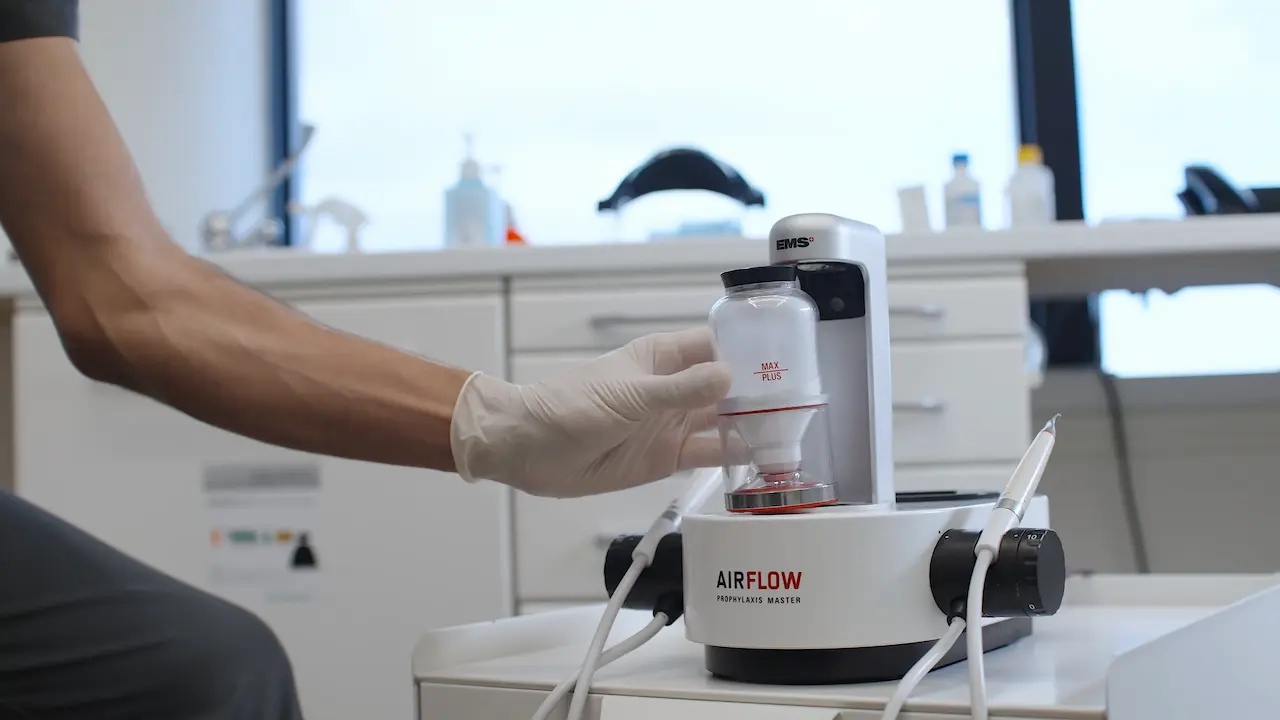
At MALO CLINIC, we use the latest GBT protocol – Guided Biofilm Therapy, which provides a minimally invasive and painless experience, guaranteeing the effective removal of bacterial plaque, tartar, and stains.

Following an oral examination and diagnostics, an organic disclosing agent is applied to the teeth to reveal biofilm, which consists of bacteria settling in the oral cavity. This allows the dental hygienist to point out areas that require more attention from the patient during daily hygiene.

Subsequently, using Airflow technology, biofilm and stains are removed using a gentle stream of air and warmed water. The dental hygiene team at MALO CLINIC also has state-of-the-art digital X-ray (RTG) machines at their disposal, which are used whenever diagnostic confirmation is necessary, particularly in the case of carious lesions.

What problems can an oral hygiene specialisation solve?

Dental plaque

Plaque that is not regularly removed is one of the main causes of tooth decay and periodontal diseases (gingivitis and periodontitis). It can also contribute to bad breath.

Plaque that is not regularly removed is one of the main causes of tooth decay and periodontal diseases (gingivitis and periodontitis). It can also contribute to bad breath.

Dental plaque

Plaque that is not regularly removed is one of the main causes of tooth decay and periodontal diseases (gingivitis and periodontitis). It can also contribute to bad breath.

Dental tartar

Tartar forms an irregular surface on the teeth, on which plaque can more easily accumulate if professional teeth cleaning is not performed. This increases the risk of periodontal disease (gum disease).

Tartar forms an irregular surface on the teeth, on which plaque can more easily accumulate if professional teeth cleaning is not performed. This increases the risk of periodontal disease (gum disease).

Dental tartar

Tooth discolouration

When teeth develop staining or discolouration that can affect the aesthetics of your smile. Oral hygiene treatment helps to remove superficial stains, such as those caused by tobacco, coffee, tea, or wine.

When teeth develop staining or discolouration that can affect the aesthetics of your smile. Oral hygiene treatment helps to remove superficial stains, such as those caused by tobacco, coffee, tea, or wine.

Tooth discolouration

Clinical team

Clinical team

A team of qualified doctors, ensuring safe, individually tailored care and the highest level of comfort throughout the entire treatment process.

A team of qualified doctors, ensuring safe, individually tailored care and the highest level of comfort throughout the entire treatment process.

  • Anna Plakhina

    Anna Plakhina

  • Katarzyna Piwko

    Katarzyna Piwko

  • Weronika Mielnik

    Weronika Mielnik

  • Anna Plakhina

    Anna Plakhina

  • Katarzyna Piwko

    Katarzyna Piwko

  • Weronika Mielnik

    Weronika Mielnik

Frequently asked questions

1

I have implants, should I book hygiene appointments?

At MALO CLINIC, check-up and maintenance visits are of crucial importance in the implant rehabilitation protocol. During regular maintenance visits, all structures supported by implants are removed – whether they are single crowns, bridges, or fixed full dentures. Next, the stability of the implants is assessed (using radiological examinations if necessary). Mechanical and/or manual scaling and polishing of the structures are performed, which are then refitted into place at the end of the visit.

2

What habits should become part of my daily oral hygiene routine?

To ensure proper oral hygiene, you must take care of the following elements:

  • Brushing teeth at least twice a day: This is the fundamental process for eliminating bacterial plaque that accumulates on the tooth surfaces during the day. Brushing teeth reduces the likelihood of tooth decay and other dental complications.

  • Flossing: Although often ignored, flossing while brushing your teeth is essential to ensure meticulous hygiene, as it helps remove bacterial plaque and food debris accumulated in the interdental spaces.

  • Maintaining a healthy and balanced diet: Everything we consume has an impact on the condition of our mouth. Some products have a particularly negative impact – namely very acidic or sugar-rich foods, as they promote enamel erosion, leaving teeth more vulnerable to complications such as decay.

  • Regular visits to the dentist/dental hygienist: Even with all of the above precautions, it is important to regularly check the condition of your oral cavity. These visits should take place once every 6 months or whenever you experience discomfort.

3

Do hard toothbrushes help to clean teeth better?

Hard toothbrushes do not clean teeth any better. When brushing your teeth, there is also no need to use heavy friction or high toothbrush pressure.

4

Will I feel pain during a professional teeth cleaning?

No. Our clinics are equipped with the latest technology (Airflow), which allows us to minimise discomfort, even if you struggle with tooth sensitivity.

5

How often should you have a professional teeth cleaning?

It is recommended to have the treatment performed every 6 months, however, this may change depending on the individual needs of the patient (e.g. people with periodontitis may require more frequent cleaning).

6

What is the difference between regular brushing and in-surgery cleaning?

Daily brushing removes superficial plaque, but it does not eliminate tartar. Professional teeth cleaning removes plaque accumulated in hard-to-reach places.

7

Does professional teeth cleaning replace brushing at home?

By no means. Daily brushing and flossing are crucial. In-office cleaning is supplementary and preventive.

Articles related to oral health

Book a consultation

Book a consultation

Fill in the form and we will contact you.

I consent to the processing of my data by MALO CLINIC for marketing purposes (campaigns, benefits, offers,...) via electronic mail (Email) and SMS messages.

Thank you, the form has been submitted

Book a consultation

Book a consultation

Fill in the form and we will contact you.

I consent to the processing of my data by MALO CLINIC for marketing purposes (campaigns, benefits, offers,...) via electronic mail (Email) and SMS messages.

Thank you, the form has been submitted

Book a consultation

Book a consultation

Fill in the form and we will contact you.

I consent to the processing of my data by MALO CLINIC for marketing purposes (campaigns, benefits, offers,...) via electronic mail (Email) and SMS messages.

Thank you, the form has been submitted

Malo Clinic Polska sp. z o.o. registered in the District Court for the Capital City of Warsaw, 13th Commercial Division of the National Court Register under KRS number: 0000242331, share capital PLN 300,000.00, NIP (Tax Identification Number) 525-234-17-37, REGON (National Business Registry Number) 140078686

SWIFT: BIGBPLPW | Bank Millennium SA | ul. S. Żaryna 2A, 02-593 Warszawa | Poland

MALO CLINIC WARSZAWA Bank account: PL 06 1160 2202 0000 0000 6313 6153

MALO CLINIC SZCZECIN Bank account: PL 36 1160 2202 0000 0007 2348 1155

Developed by