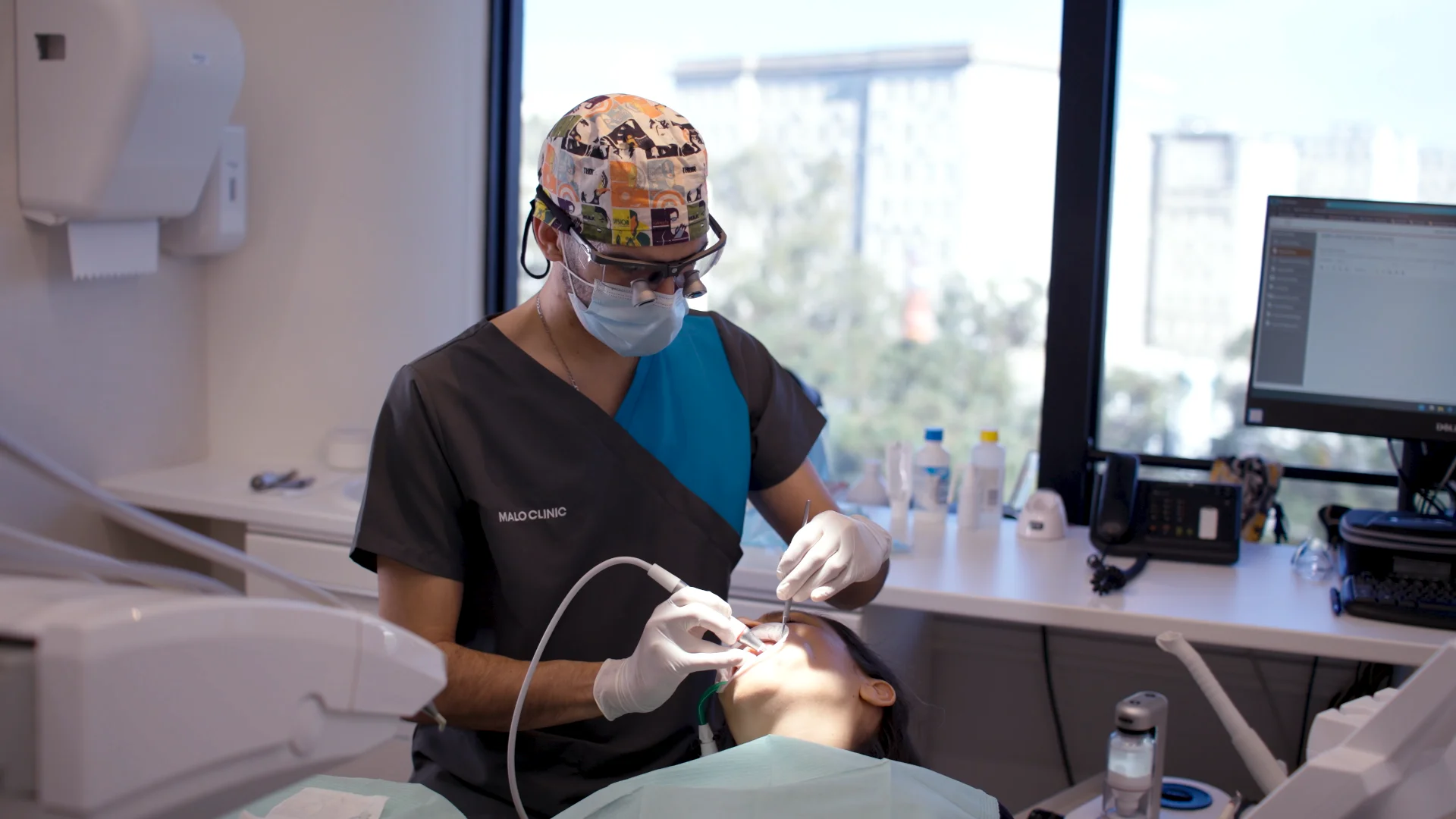
Dental abscess

A tooth abscess is a bacterial infection with an accumulation of purulent discharge (pus) within the tooth or gum, which causes severe pain and swelling and requires prompt intervention from a dentist.

What is a tooth abscess?

A dental abscess is a bacterial infection that causes a collection of pus to build up in the area of a tooth or gum. It can be periapical (located at the root of the tooth) or periodontal (located in the gum). Most commonly, it develops as a result of untreated tooth decay, periodontal disease, as well as cracks or injuries to the teeth. It can cause severe pain, swelling, and lead to the spread of infection to other areas, causing serious complications. For this reason, it is crucial to see a dentist promptly for a diagnosis and appropriate treatment.
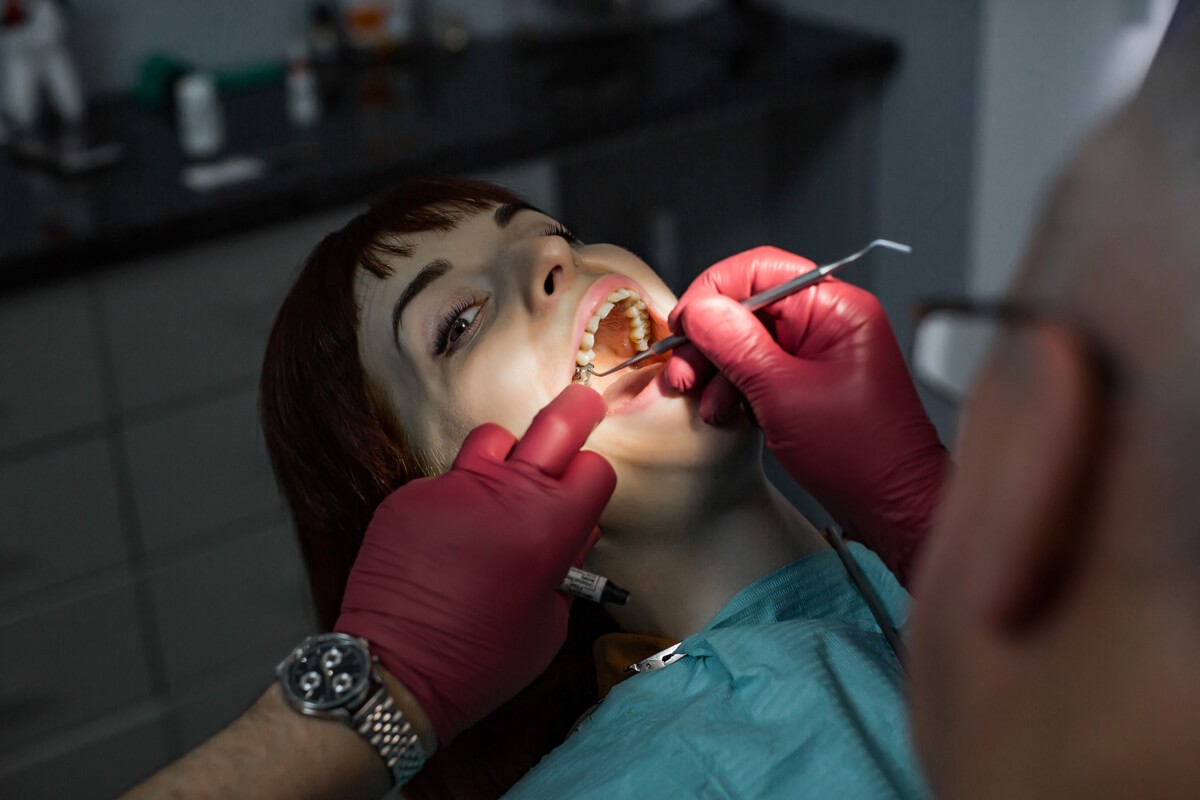
What is a tooth abscess?

Main causes

The development of a tooth abscess is usually associated with a combination of several factors, which include:

Untreated tooth decay

Periodontal diseases (periodontitis)

Dental injuries

Fractures and cracks of teeth

Accumulation of bacterial plaque (dental plaque)

Possible symptoms

Symptoms of a tooth abscess can vary depending on its severity and location. The most common symptoms include:

1

1

Strong and throbbing toothache

The pain is often described as throbbing and can radiate to the jaw, ear or neck. The discomfort may worsen when chewing or lying down.

2

2

Sensitivity to heat and cold

Teeth can become extremely sensitive to hot and cold foods and drinks.

3

3

Swollen gums

The gums around the infected tooth may be swollen, red, and tender to the touch.

4

4

Unpleasant taste in the mouth

A bitter or salty taste may appear in the mouth, which is associated with the draining of purulent discharge from the abscess.

5

5

Bad breath

The infection can cause chronic halitosis, which does not resolve despite regular oral hygiene.

6

6

Fever

In more serious cases, the infection can lead to fever and general malaise.

7

7

Facial swelling

The face may become visibly swollen on the side of the affected tooth. This swelling can spread to the neck.

8

8

Enlarged lymph nodes

Lymph nodes in the neck or under the jaw may become enlarged and tender (painful when pressed).

9

9

Difficulty opening the mouth or swallowing

Swelling and pain can make it difficult to open the mouth freely (trismus) and swallow.

Marcar Consulta de Avaliação

A tooth abscess is a serious condition that requires immediate treatment to avoid dangerous complications.

Available treatment methods

Available treatment methods

Treatment of a tooth abscess aims to eliminate the infection, relieve pain, and prevent complications. Treatment options include:

Abscess drainage

A dentist can make a small incision in the tooth abscess to allow the pus to drain (drainage). This procedure brings immediate pain relief and helps to limit the infection.

A dentist can make a small incision in the tooth abscess to allow the pus to drain (drainage). This procedure brings immediate pain relief and helps to limit the infection.

Abscess drainage

A dentist can make a small incision in the tooth abscess to allow the pus to drain (drainage). This procedure brings immediate pain relief and helps to limit the infection.

Antibiotic therapy (Antibiotics)

If the infection has spread beyond the area of the tooth abscess or if there are symptoms of acute infection, the dentist may prescribe antibiotics to fight the infection.

If the infection has spread beyond the area of the tooth abscess or if there are symptoms of acute infection, the dentist may prescribe antibiotics to fight the infection.

Antibiotic therapy (Antibiotics)

Tooth extraction (Tooth removal)

In cases where a tooth is severely damaged and cannot be saved, tooth extraction (removal) may be necessary to completely eliminate the source of infection.

In cases where a tooth is severely damaged and cannot be saved, tooth extraction (removal) may be necessary to completely eliminate the source of infection.

Tooth extraction (Tooth removal)

Root canal treatment (Endodontics)

To treat a periapical abscess, it may be necessary to perform endodontic (root canal) treatment. This procedure involves removing the infected tissue from the inside of the tooth, followed by cleaning and disinfecting the root canal before filling and sealing it.

To treat a periapical abscess, it may be necessary to perform endodontic (root canal) treatment. This procedure involves removing the infected tissue from the inside of the tooth, followed by cleaning and disinfecting the root canal before filling and sealing it.

Root canal treatment (Endodontics)

Frequently asked questions

1

What causes a tooth abscess?

A dental abscess is caused by a bacterial infection. This can occur as a result of untreated tooth decay, tooth trauma or fractures, as well as periodontal (gum) disease.

2

What are the symptoms indicating that I might have a tooth abscess?

Symptoms of a tooth abscess include: severe and throbbing toothache, sensitivity to hot and cold, swollen gums, bad breath, an unpleasant taste in the mouth, fever, facial swelling, and difficulty opening the mouth or swallowing.

3

Can I treat a tooth abscess at home?

No. A dental abscess requires professional dental treatment. While waiting for a dentist appointment, you can rinse your mouth with warm salt water, but the infection itself must be treated by a dentist.

4

What are the risks associated with leaving a tooth abscess untreated?

An untreated tooth abscess can lead to serious complications, including the spread of infection to other parts of the body, such as the jaw, neck, and even the brain.

5

How to prevent a tooth abscess from forming?

Prevention includes maintaining proper oral hygiene by brushing teeth at least twice a day, flossing daily, and regular dental visits for check-ups and professional cleaning. Prompt treatment of cavities and gum disease is also important.

6

Can a tooth abscess recur after treatment?

Although appropriate treatment allows the infection to be eliminated, it is important to follow your dentist's recommendations and maintain good oral hygiene to prevent recurrence. In some cases, underlying factors, such as periodontal disease or incorrect hygiene habits, can contribute to the development of new abscesses.

7

How long does a tooth abscess take to heal?

Recovery time depends on the severity of the abscess and the treatment used. After incision and drainage of the abscess or after root canal treatment, pain may subside very quickly, but complete healing of the infection and regeneration of the surrounding tissues may take several weeks.

8

Are tooth abscesses a common problem?

Yes, tooth abscesses are relatively common, especially in individuals with poor oral hygiene or those who do not visit the dentist regularly. Early treatment of tooth decay and gum disease can significantly reduce the risk of developing an abscess.

Book a consultation

Book a consultation

Fill in the form and we will contact you.

I consent to the processing of my data by MALO CLINIC for marketing purposes (campaigns, benefits, offers,...) via electronic mail (Email) and SMS messages.

Thank you, the form has been submitted

Book a consultation

Book a consultation

Fill in the form and we will contact you.

I consent to the processing of my data by MALO CLINIC for marketing purposes (campaigns, benefits, offers,...) via electronic mail (Email) and SMS messages.

Thank you, the form has been submitted

Book a consultation

Book a consultation

Fill in the form and we will contact you.

I consent to the processing of my data by MALO CLINIC for marketing purposes (campaigns, benefits, offers,...) via electronic mail (Email) and SMS messages.

Thank you, the form has been submitted

Malo Clinic Polska sp. z o.o. registered in the District Court for the Capital City of Warsaw, 13th Commercial Division of the National Court Register under KRS number: 0000242331, share capital PLN 300,000.00, NIP (Tax Identification Number) 525-234-17-37, REGON (National Business Registry Number) 140078686

SWIFT: BIGBPLPW | Bank Millennium SA | ul. S. Żaryna 2A, 02-593 Warszawa | Poland

MALO CLINIC WARSZAWA Bank account: PL 06 1160 2202 0000 0000 6313 6153

MALO CLINIC SZCZECIN Bank account: PL 36 1160 2202 0000 0007 2348 1155

Developed by