Orthodontics

Orthodontics

Modern treatment of malocclusion in children and adults. We offer fixed braces, removable appliances, and clear aligners, tailored to the individual needs of every smile.

Why is orthodontic treatment important?

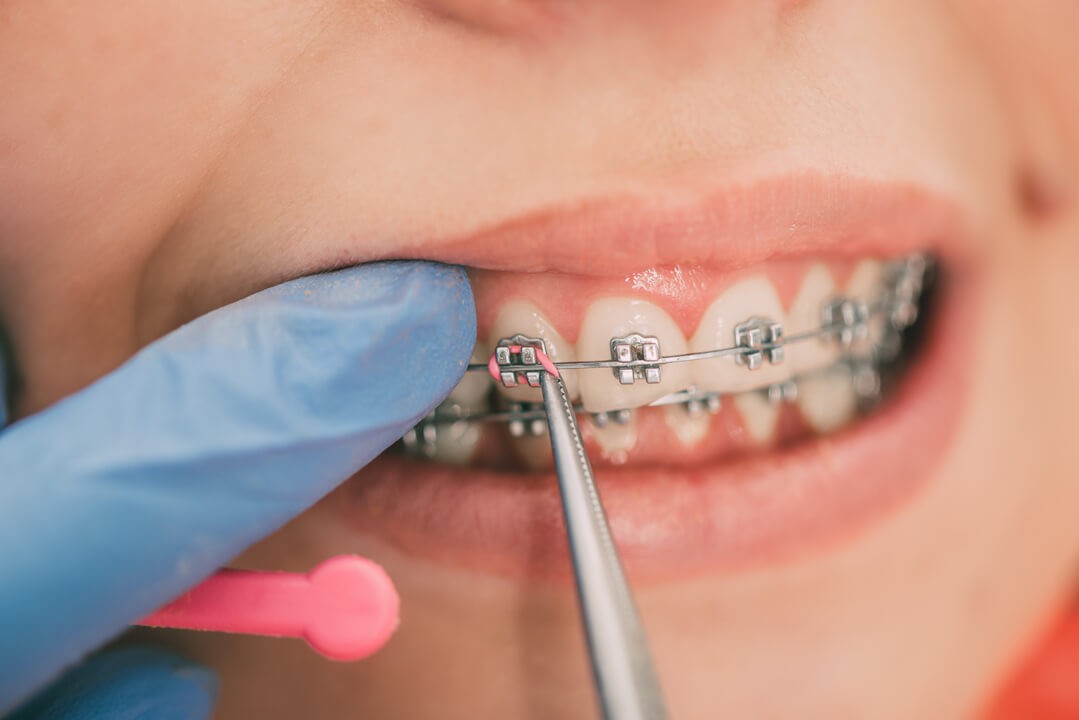
Orthodontics is a field of dentistry that deals with the treatment of malocclusions, misaligned teeth and the relationships between the maxilla and mandible. These abnormalities are not only an aesthetic problem – they make thorough brushing and flossing difficult, which increases the risk of tooth decay and gum disease. A malocclusion can also overload muscles, causing frequent headaches, neck or back pain.

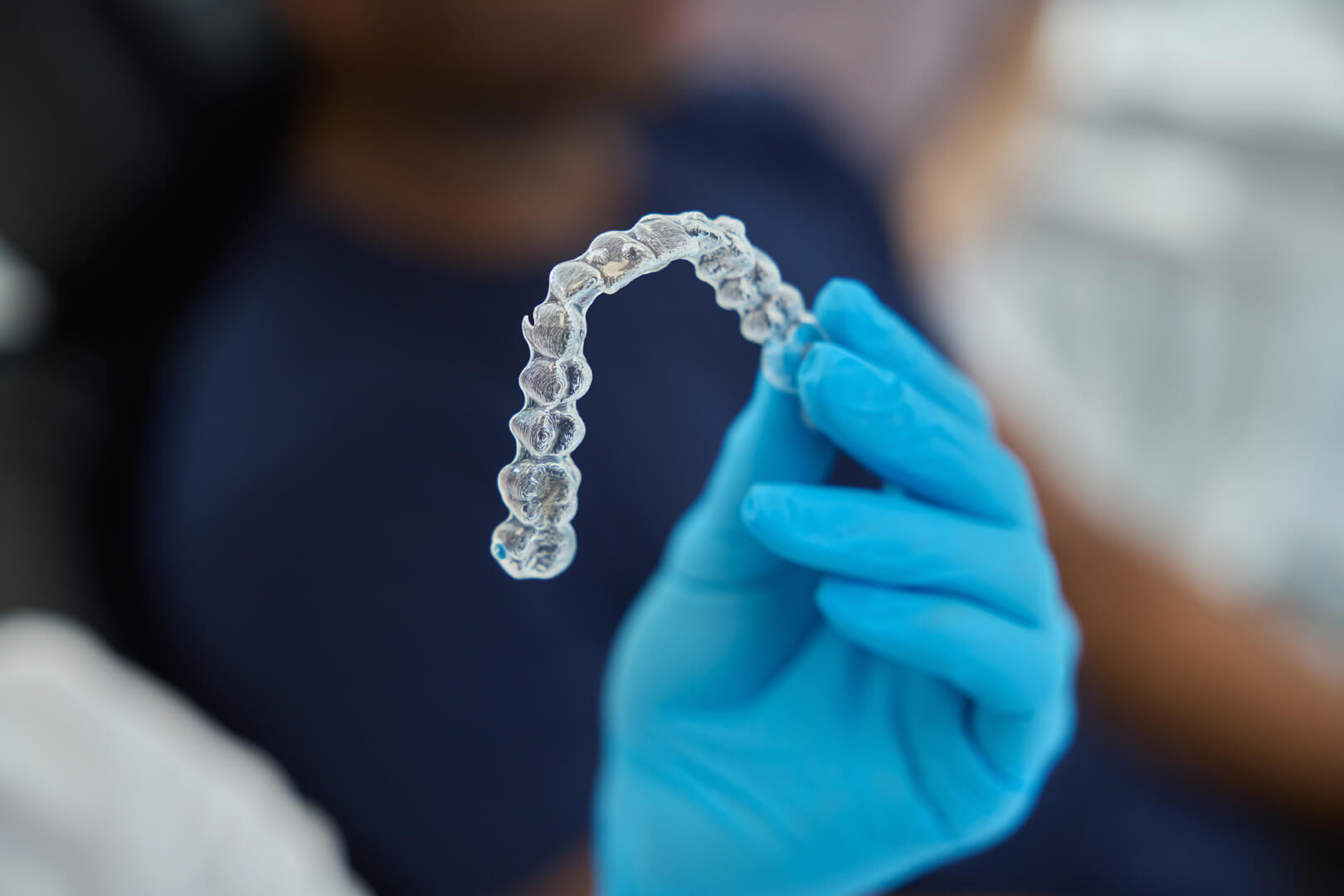
At MALO CLINIC, we correct malocclusions using modern fixed or removable braces, or invisible aligners. Thanks to advanced technologies, orthodontic treatment today is very comfortable, fast and effective for both children and adults.
Why is orthodontic treatment important?

Solutions in orthodontics – which one is best for you?

Every clinical situation is different, which is why orthodontics offers solutions tailored to the individual needs of each patient.
Fixed braces

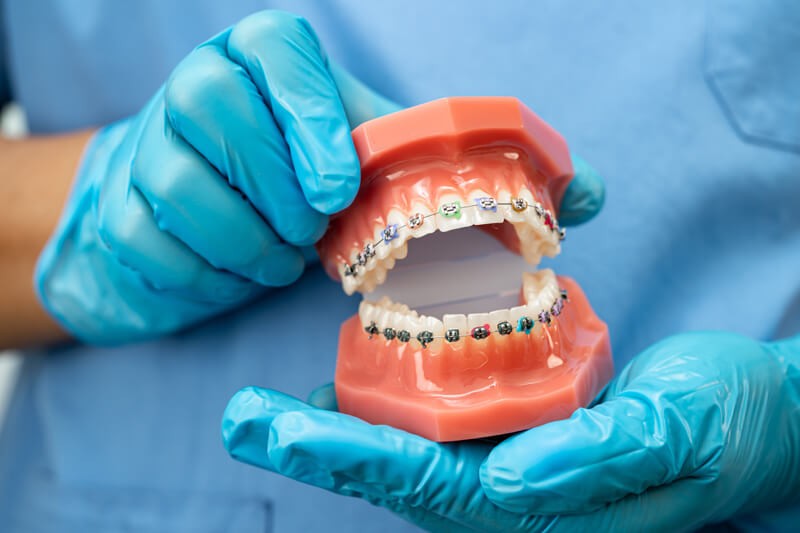
This is a classic and proven solution, which consists of brackets attached to the teeth and an archwire connecting them. They allow for very precise movement of teeth. They work well for both simple and very complex malocclusions, guaranteeing predictable and long-lasting results.

Fixed braces

This is a classic and proven solution, which consists of brackets attached to the teeth and an archwire connecting them. They allow for very precise movement of teeth. They work well for both simple and very complex malocclusions, guaranteeing predictable and long-lasting results.

Benefits of orthodontics for oral health

1

1

Improving oral hygiene:

Straight teeth are easier to clean using the correct brushing technique and proper flossing. This reduces the risk of tooth decay and gum disease.

2

2

Preventing dental problems:

A correct bite helps to avoid excessive wear and tear of the teeth, and also effectively prevents cracks and fractures of tooth crowns.

3

3

Healthier gums and protection against periodontitis

Well-aligned teeth help keep gums healthier. This reduces the likelihood of developing inflammation and periodontitis.

4

4

Improvement of speech and diction

Correct orthodontic treatment and proper alignment of the teeth can improve pronunciation and diction for certain words and sounds.

5

5

Greater self-confidence and self-esteem

A simple and aesthetic smile can significantly boost confidence and raise a patient's daily self-esteem.
Our clinical team is here to help you.

Check which type of brace is best for you

Book an orthodontic consultation and find out if invisible aligners are the right solution for your smile.
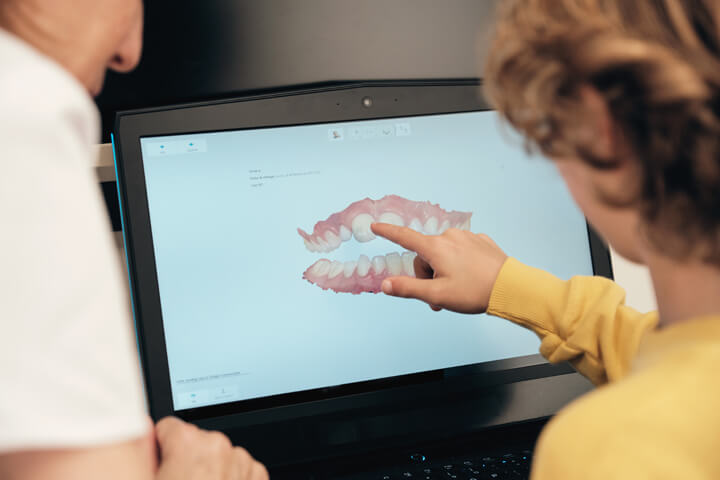
  • Intraoral scanner

    Intraoral scanner

  • Intraoral scanner

    Intraoral scanner

  • Digital planning

    Digital planning

  • Digital planning

    Digital planning

  • Digital planning

    Digital planning

  • Digital planning

    Digital planning

  • Intraoral scanner

    Intraoral scanner

  • Digital planning

    Digital planning

  • Digital planning

    Digital planning

  • Digital planning

    Digital planning

  • Digital planning

    Digital planning

  • Intraoral scanner

    Intraoral scanner

  • Intraoral scanner

    Intraoral scanner

  • Intraoral scanner

    Intraoral scanner

  • Intraoral scanner

    Intraoral scanner

  • Digital planning

    Digital planning

  • Intraoral scanner

    Intraoral scanner

  • Intraoral scanner

    Intraoral scanner

Modern technology and innovations in orthodontics

At Malo Clinic, technological progress has deeply transformed orthodontic treatment, making it faster, more precise, and maximally comfortable for the patient.

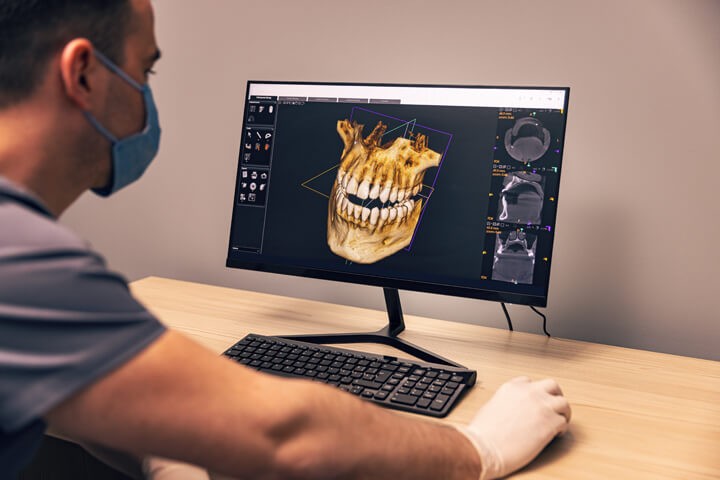
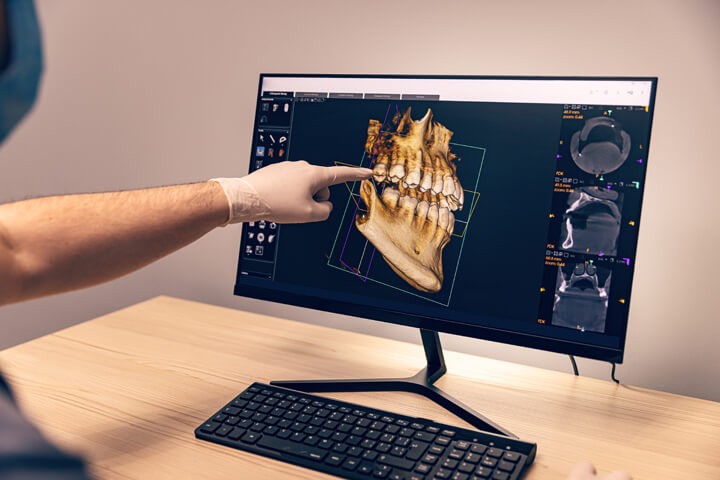
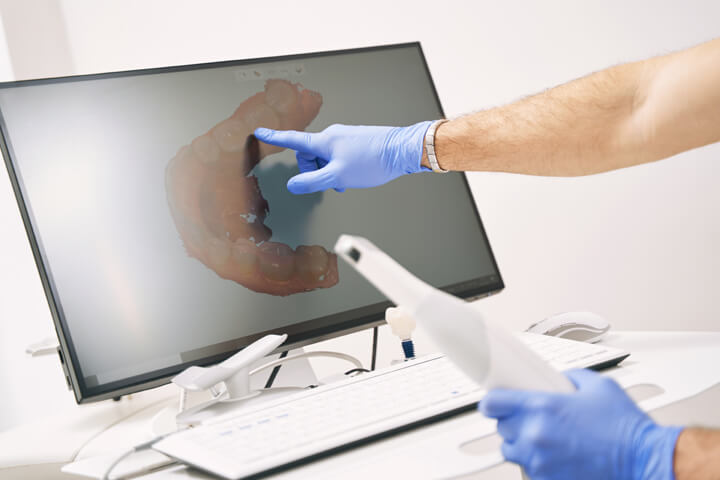
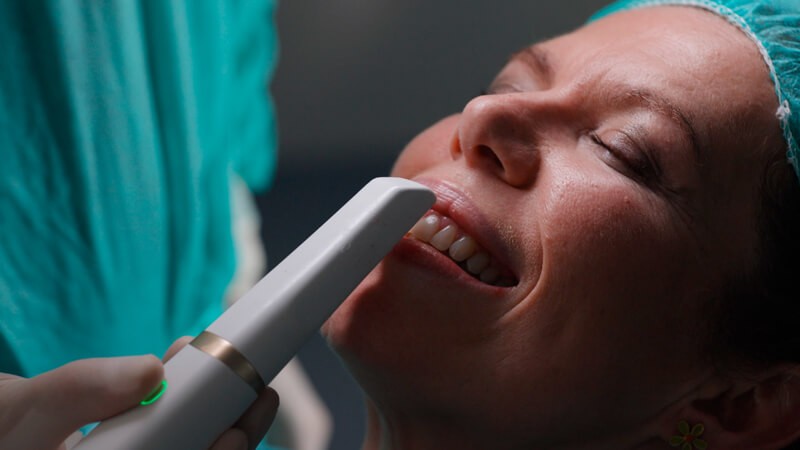
The introduction of modern intraoral scanners allows for the complete replacement of traditional, unpleasant dental impressions with a highly detailed 3D image. This technology significantly improves diagnostics and the predictability of results. Additionally, digital planning enables the simulation of the final smile even before treatment begins – the patient can see their new smile on a computer screen.

The evolution of orthodontic materials and systems has brought more discreet and effective solutions that reduce discomfort and facilitate teeth movement. Modern appliances allow for the application of controlled, gentler forces. As a result, we reduce pain, shorten the overall treatment time, and decrease the number of required follow-up visits.

What defects can the orthodontic speciality treat?

Crossbite

Occurs when some of the upper teeth bite on the inside of the lower teeth, which can affect both the front and side (back) teeth.

Occurs when some of the upper teeth bite on the inside of the lower teeth, which can affect both the front and side (back) teeth.

Crossbite

Occurs when some of the upper teeth bite on the inside of the lower teeth, which can affect both the front and side (back) teeth.

Open bite

It is characterised by a lack of contact between the upper and lower teeth when the mouth is closed, resulting in an open space.

It is characterised by a lack of contact between the upper and lower teeth when the mouth is closed, resulting in an open space.

Open bite

Deep overbite

The upper teeth excessively overlap the lower teeth (covering them), which can cause abnormal tooth wear and temporomandibular joint (TMJ) disorders.

The upper teeth excessively overlap the lower teeth (covering them), which can cause abnormal tooth wear and temporomandibular joint (TMJ) disorders.

Deep overbite

Diastema and crowding

Gaps or spaces between teeth that can be corrected to improve chewing function, phonetics, and aesthetics.

Gaps or spaces between teeth that can be corrected to improve chewing function, phonetics, and aesthetics.

Diastema and crowding

Clinical team

A team of qualified doctors, ensuring safe, individually tailored care and the highest level of comfort throughout the entire treatment process.

Elżbieta Karbowinik, DDS

Elżbieta Karbowinik, DDS

  • Elżbieta Karbowinik, DDS

    Elżbieta Karbowinik, DDS

  • Elżbieta Karbowinik, DDS

    Elżbieta Karbowinik, DDS

Frequently asked questions

1

At what age can orthodontic treatment be started?

It is worth having an orthodontic consultation as soon as you notice the first bite problems – usually in children around the age of 7. However, it is worth remembering that it is never too late for a beautiful smile. There is no upper age limit that would rule out wearing braces, which is why adults benefit from treatment just as often.

2

How long does orthodontic treatment take?

The duration of wearing braces depends on the complexity of the malocclusion. On average, orthodontic treatment lasts between 12 and 18 months. Simpler corrections can be finalised much quicker, whereas advanced defects may require a longer therapy time.

3

Does wearing braces hurt?

The placement of the braces itself is completely painless. For the first few days after their application or regular adjustment, slight discomfort or tooth sensitivity may occur. This is a completely natural sensation that usually passes on its own after a few days once the body gets used to the braces.

4

What are the available types of orthodontic braces?

Modern dentistry offers many solutions tailored to the patient's needs. We distinguish classic fixed braces (e.g. with metal or aesthetic brackets), removable braces (used mainly in children) and modern transparent straightening aligners. The final choice depends on the doctor's diagnosis and your expectations.

5

Is it possible to straighten teeth invisibly?

Yes! Clear aligners from Invisalign™ are an almost invisible alternative to traditional braces. They can be easily removed for eating and brushing teeth, ensuring uncompromised aesthetics and great daily convenience.

6

What is the cost of orthodontic treatment?

The total cost of orthodontic treatment is an individual matter - it depends on the chosen method, the type of brace, and the planned duration of the therapy. During the first visit, the doctor presents a detailed treatment plan along with a quote, and we offer convenient financing options to facilitate access to your dream smile.

7

What is the importance of a retainer after completing treatment?

Wearing a retainer is the crucial, final stage of the entire process. Its task is to stabilise and maintain the teeth in their new, correct position. Without retention, teeth have a natural tendency to return to their former, incorrect positions.

8

Are frequent follow-up visits necessary to adjust the brace?

Yes, regular check-ups are essential so that the doctor can monitor progress and adjust the braces accordingly. In the case of traditional fixed braces, visits usually take place every 4 to 6 weeks. With aligner treatment, appointments may be less frequent.

9

Are there any dietary restrictions during orthodontic treatment?

With fixed braces, it is recommended to avoid very hard, sticky or crunchy products (such as nuts, chewy sweets or hard fruit) that could unglue a bracket or damage the archwire. In the case of clear aligners, this problem disappears because they are removed for the duration of every meal.

10

Do braces make it difficult to maintain oral hygiene?

A traditional fixed brace creates crevices in the mouth that require a little more attention. It is important to brush your teeth thoroughly after every meal and to use dental floss and special single-tufted brushes. If you want the simplest possible tooth cleaning, removable aligners are the ideal solution.

Articles related to oral health

Book a consultation

Book a consultation

Fill in the form and we will contact you.

I consent to the processing of my data by MALO CLINIC for marketing purposes (campaigns, benefits, offers,...) via electronic mail (Email) and SMS messages.

Thank you, the form has been submitted

Book a consultation

Book a consultation

Fill in the form and we will contact you.

I consent to the processing of my data by MALO CLINIC for marketing purposes (campaigns, benefits, offers,...) via electronic mail (Email) and SMS messages.

Thank you, the form has been submitted

Book a consultation

Book a consultation

Fill in the form and we will contact you.

I consent to the processing of my data by MALO CLINIC for marketing purposes (campaigns, benefits, offers,...) via electronic mail (Email) and SMS messages.

Thank you, the form has been submitted

Malo Clinic Polska sp. z o.o. registered in the District Court for the Capital City of Warsaw, 13th Commercial Division of the National Court Register under KRS number: 0000242331, share capital PLN 300,000.00, NIP (Tax Identification Number) 525-234-17-37, REGON (National Business Registry Number) 140078686

SWIFT: BIGBPLPW | Bank Millennium SA | ul. S. Żaryna 2A, 02-593 Warszawa | Poland

MALO CLINIC WARSZAWA Bank account: PL 06 1160 2202 0000 0000 6313 6153

MALO CLINIC SZCZECIN Bank account: PL 36 1160 2202 0000 0007 2348 1155

Developed by