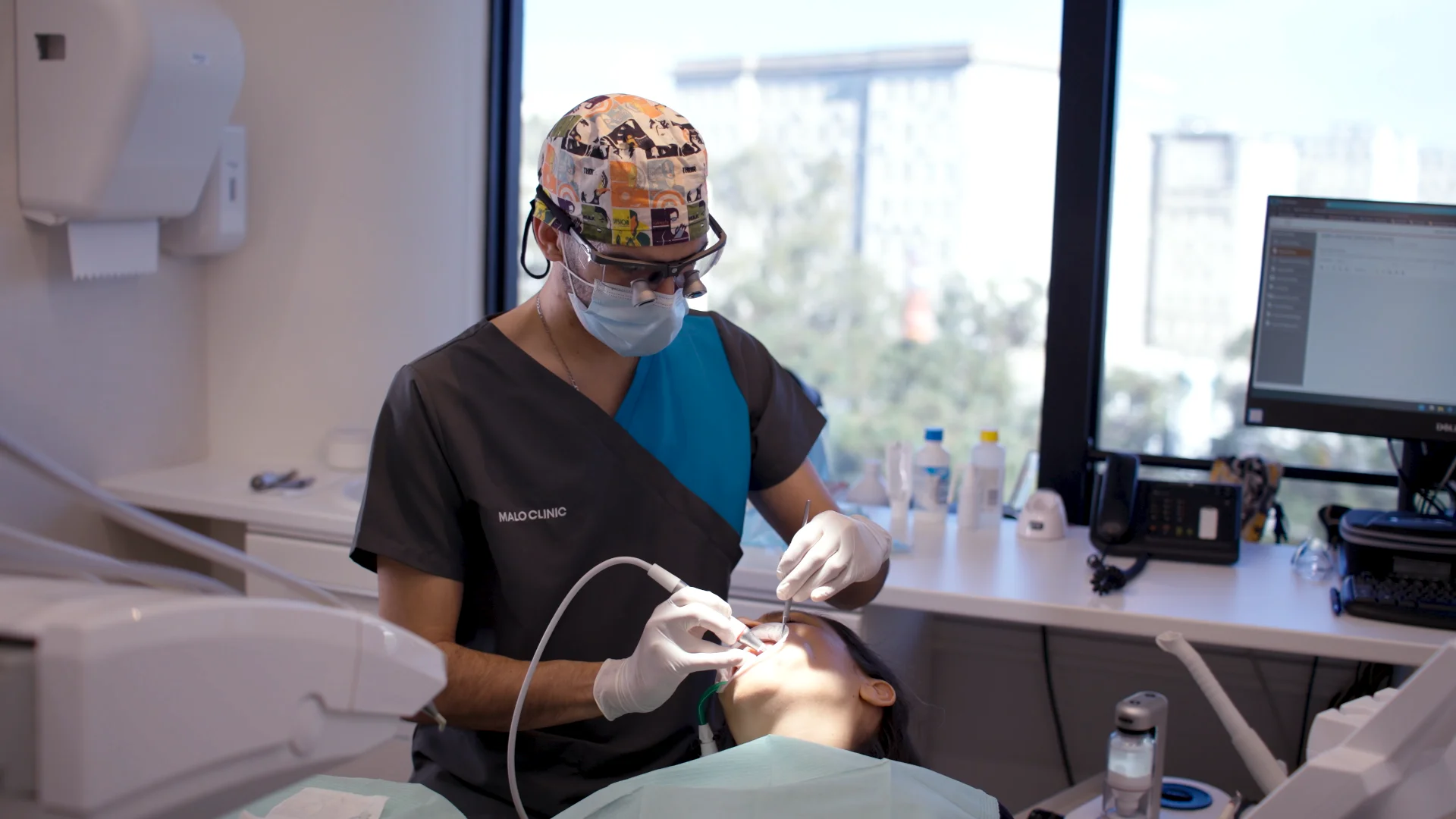
Crossbite

Crossbite is a malocclusion in which the upper teeth overlap the lower teeth on the palatal side. It leads to tooth wear, facial asymmetry and chewing problems. Book an orthodontic consultation.

What is a crossbite?

A crossbite occurs when the upper teeth sit inside the lower teeth. The condition can be unilateral or bilateral, with genetic, functional, or environmental causes – such as abnormal development of the maxilla and mandible, mouth breathing, irregular chewing habits, or premature loss of primary teeth. Its development is also associated with prolonged thumb or pacifier sucking. Early diagnosis is crucial to prevent future complications.
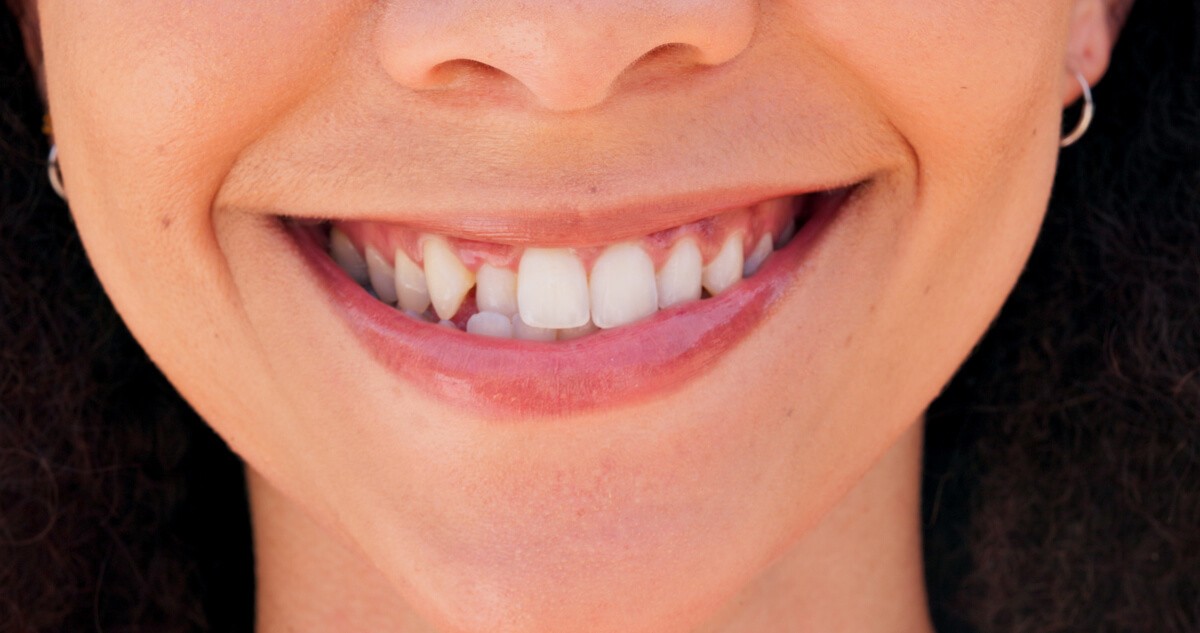
What is a crossbite?

Main causes

The development of a crossbite is usually associated with a combination of several factors, which include:

Genetic factors

Abnormalities in the development of the maxilla and mandible

Mouth breathing

Irregular chewing habits

Long-term dysfunctional habits (e.g. thumb or dummy sucking)

Possible symptoms of a crossbite

Symptoms of a crossbite vary depending on the severity and type of the malocclusion. The most common include: pathological tooth wear, difficulty chewing, facial asymmetry, pain or discomfort in the jaw, and problems with the temporomandibular joint.

1

1

Apart from the impact on aesthetics, which can lower a patient's self-esteem, a crossbite is often associated with temporomandibular joint (TMJ) dysfunction – headache and jaw pain, clicking in the joint, limited mobility when opening the mouth, and tinnitus. Incorrect contact between the teeth can additionally lead to tooth wear, fractures, and gum recession, increasing the risk of more serious problems in the future.
Marcar Consulta de Avaliação

If symptoms persist, worsen, or you notice visible changes in your teeth, a dental consultation and evaluation is important.

Available treatment methods for crossbite

Available treatment methods for crossbite

Treatment of a crossbite differs fundamentally depending on the age of the patient at which the diagnosis is made.

Treatment in adults

Treatment in adults is prolonged due to the greater density and hardness of the bone. However, with proper management of the therapy and the patient's cooperation, it is possible to achieve a correct, functional bite. Fixed orthodontic appliances are mainly used, sometimes in combination with removable appliances. In complicated cases, orthognathic surgery may be necessary to correct the position of the jaw and mandibular bones.

Treatment in adults is prolonged due to the greater density and hardness of the bone. However, with proper management of the therapy and the patient's cooperation, it is possible to achieve a correct, functional bite. Fixed orthodontic appliances are mainly used, sometimes in combination with removable appliances. In complicated cases, orthognathic surgery may be necessary to correct the position of the jaw and mandibular bones.

Treatment in adults

Treatment in adults is prolonged due to the greater density and hardness of the bone. However, with proper management of the therapy and the patient's cooperation, it is possible to achieve a correct, functional bite. Fixed orthodontic appliances are mainly used, sometimes in combination with removable appliances. In complicated cases, orthognathic surgery may be necessary to correct the position of the jaw and mandibular bones.

Frequently asked questions

1

What are the causes of a crossbite?

The causes are varied and include genetic factors, dysfunctional habits (e.g. thumb sucking, prolonged pacifier use) and abnormal growth of the maxilla and mandible bones.


2

What are the symptoms of a crossbite?

Symptoms include difficulty chewing, uneven tooth wear, jaw and headache pain, and in more severe cases, temporomandibular joint (TMJ) dysfunction.


3

Can a crossbite be corrected at any age?

Yes. Correction is most effective in childhood, but adults can also significantly benefit from treatment, restoring a proper, functional bite and avoiding more serious problems in the future.


4

What will happen if I do not treat a crossbite?

A crossbite is best treated in childhood so that it does not disrupt facial growth and development. Without treatment, asymmetric facial growth or jaw displacement often occurs, which affects aesthetics and can lead to chronic jaw pain and TMD. Patients with a crossbite are also more susceptible to tooth decay and periodontal disease due to difficulties in maintaining hygiene.


5

How long does crossbite correction take?

The duration of treatment depends on the severity of the malocclusion and the patient's age. It usually lasts from a few months up to 2–3 years, in children and adolescents also depending on the natural growth of the jaw bones and the eruption of permanent teeth.


6

Can a crossbite recur after treatment is completed?

With properly conducted treatment and the use of retainers after the removal of the braces, the risk of relapse is minimal. It is important to follow the doctor's instructions and attend regular check-up appointments.

Book a consultation

Book a consultation

Fill in the form and we will contact you.

I consent to the processing of my data by MALO CLINIC for marketing purposes (campaigns, benefits, offers,...) via electronic mail (Email) and SMS messages.

Thank you, the form has been submitted

Book a consultation

Book a consultation

Fill in the form and we will contact you.

I consent to the processing of my data by MALO CLINIC for marketing purposes (campaigns, benefits, offers,...) via electronic mail (Email) and SMS messages.

Thank you, the form has been submitted

Book a consultation

Book a consultation

Fill in the form and we will contact you.

I consent to the processing of my data by MALO CLINIC for marketing purposes (campaigns, benefits, offers,...) via electronic mail (Email) and SMS messages.

Thank you, the form has been submitted

Malo Clinic Polska sp. z o.o. registered in the District Court for the Capital City of Warsaw, 13th Commercial Division of the National Court Register under KRS number: 0000242331, share capital PLN 300,000.00, NIP (Tax Identification Number) 525-234-17-37, REGON (National Business Registry Number) 140078686

SWIFT: BIGBPLPW | Bank Millennium SA | ul. S. Żaryna 2A, 02-593 Warszawa | Poland

MALO CLINIC WARSZAWA Bank account: PL 06 1160 2202 0000 0000 6313 6153

MALO CLINIC SZCZECIN Bank account: PL 36 1160 2202 0000 0007 2348 1155

Developed by