Dental surgery

Dental surgery

Comprehensive diagnostics and safe surgical treatment of diseases of the oral cavity, teeth, as well as the maxilla and mandible.

What does dental surgery involve?

Oral surgery is an advanced field of medicine that focuses on the diagnosis and surgical treatment of diseases within the oral cavity, teeth, as well as the maxilla and mandible. It covers a full range of care – from simple, routine procedures to the most complex operations.

Professionally performed maxillofacial and oral surgery is of key importance to health and quality of life. It directly affects proper chewing, clear speech, the aesthetics of the smile and the overall condition of the entire body. This specialisation also plays a fundamental role in the treatment of serious oral infections, cancerous lesions, and in preparing the patient for comprehensive dental reconstruction (rehabilitation of the masticatory organ).

Experienced oral surgeons possess expert knowledge that allows them to perform all procedures in a fully safe, painless and comfortable manner for the patient, in sterile clinical conditions.

What does oral surgery involve?

Benefits of treatment in the field of dental surgery

1

1

Early Diagnosis of Serious Conditions:

Professional surgical procedures allow for rapid detection and effective treatment of dangerous lesions, such as tumours or cysts, before they have time to develop and threaten your health.

2

2

Effective prevention of complications

Rapid intervention by a dental surgeon halts the development of advanced infections. This prevents seemingly simple dental problems from escalating into serious conditions, such as painful abscesses or irreversible tooth loss.

3

3

Clear improvement in the quality of life

Modern treatments, such as dental implants or guided reconstruction of the maxilla and mandible bones, fully restore proper chewing, clear speech and natural aesthetics. This directly contributes to higher self-esteem and everyday well-being of the patient.

4

4

Effective treatment of chronic pain

This specialisation allows for the diagnosis and elimination of the causes of persistent pain in the oral cavity and the entire craniofacial region. Among other things, it helps patients struggling with painful dysfunction of the temporomandibular joints.

5

5

Whole body health protection

Untreated diseases and inflammation in the oral cavity can negatively affect the function of the heart, kidneys or joints. Dental surgery allows for the effective elimination of infection foci, taking care of the health of your entire organism.

Our clinical team is here to help you.

At MALO CLINIC, your oral health is our priority.

Our medical team is here to help you.
  • Digital planning systems

    Digital planning systems

  • Digital planning systems

    Digital planning systems

  • Intraoral scanner

    Intraoral scanner

  • Intraoral scanner

    Intraoral scanner

  • Three-dimensional computed tomography

    Three-dimensional computed tomography

  • Three-dimensional computed tomography

    Three-dimensional computed tomography

  • Digital planning systems

    Digital planning systems

  • Intraoral scanner

    Intraoral scanner

  • Three-dimensional computed tomography

    Three-dimensional computed tomography

  • Digital planning systems

    Digital planning systems

  • Digital planning systems

    Digital planning systems

  • Intraoral scanner

    Intraoral scanner

  • Intraoral scanner

    Intraoral scanner

  • Three-dimensional computed tomography

    Three-dimensional computed tomography

  • Three-dimensional computed tomography

    Three-dimensional computed tomography

  • Digital planning systems

    Digital planning systems

  • Intraoral scanner

    Intraoral scanner

  • Three-dimensional computed tomography

    Three-dimensional computed tomography

Modern technology and innovations in dental surgery

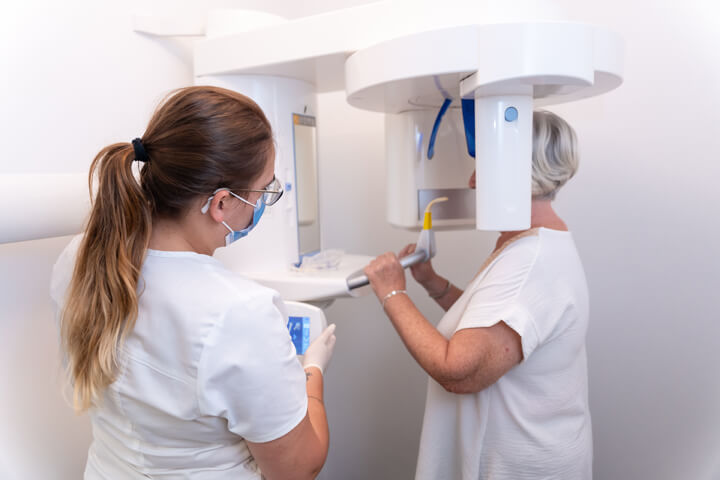
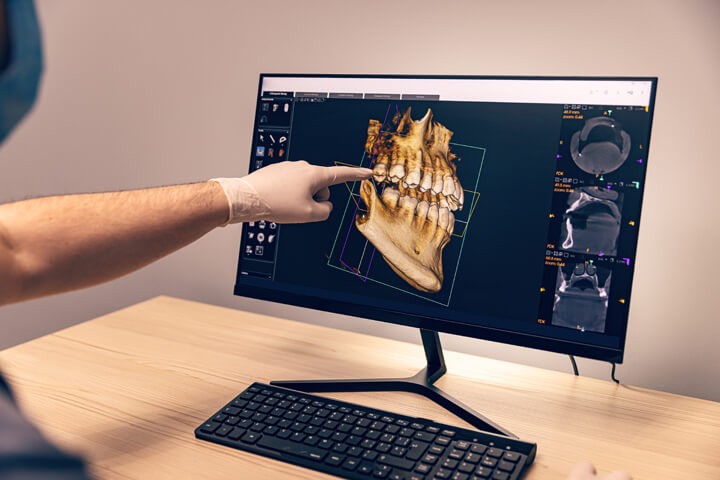
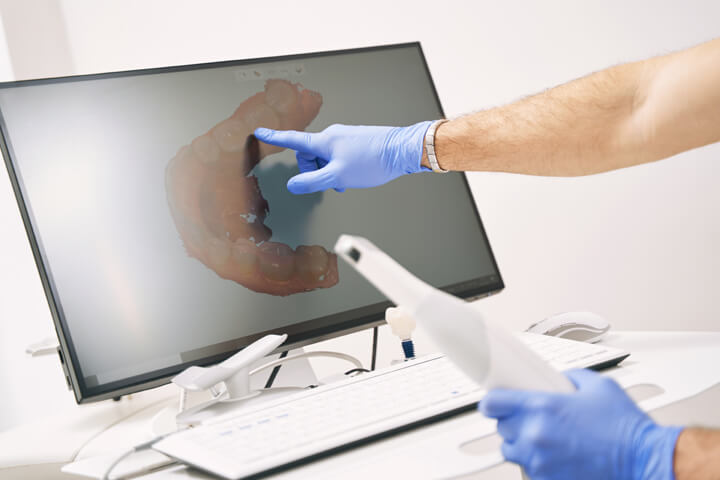
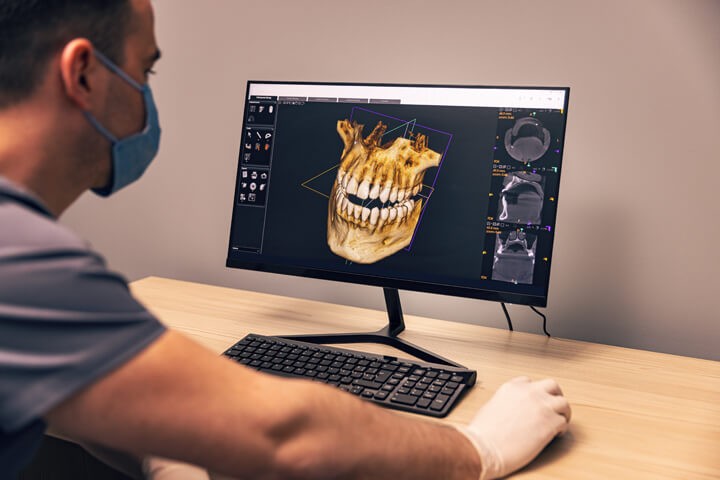
At MALO CLINIC, oral surgery is based on advanced digital technologies. In our daily work, we use precise intraoral scanners, three-dimensional computed tomography (CT/CBCT 3D) and modern systems for computer-guided treatment planning.

The use of these innovative solutions allows for an extremely detailed analysis of anatomical structures and fully personalised planning of each stage of treatment. Thanks to this, we can accurately predict the course of the procedure even before it begins. This significantly increases the safety of the treatment, guarantees the predictability of the results and ensures maximum comfort and peace of mind for the patient.

What conditions can dental surgery treat?

Tooth removal (extraction)

From simple extractions to impacted wisdom teeth (third molars) or teeth in a complicated position.

From simple extractions to impacted wisdom teeth (third molars) or teeth in a complicated position.

Tooth removal (extraction)

From simple extractions to impacted wisdom teeth (third molars) or teeth in a complicated position.

Reconstruction and replacing missing teeth

Placing dental implants to replace missing teeth.

Placing dental implants to replace missing teeth.

Reconstruction and replacing missing teeth

Removal of cysts and lesions within the oral cavity

Surgical removal of benign or malignant lesions (tumours) within the oral cavity and adjacent structures.

Surgical removal of benign or malignant lesions (tumours) within the oral cavity and adjacent structures.

Removal of cysts and lesions within the oral cavity

Treatment of advanced infections and inflammatory conditions

Abscesses, periapical tissue infections or osteomyelitis of the jaw.

Abscesses, periapical tissue infections or osteomyelitis of the jaw.

Treatment of advanced infections and inflammatory conditions

Clinical team

A team of qualified doctors, ensuring safe, individually tailored care and the highest level of comfort throughout the entire treatment process.

Anna Grabowska, DDS

Anna Grabowska, DDS

Armando Lopes, DDS

Armando Lopes, DDS

  • Anna Grabowska, DDS

    Anna Grabowska, DDS

  • Armando Lopes, DDS

    Armando Lopes, DDS

  • Anna Grabowska, DDS

    Anna Grabowska, DDS

  • Armando Lopes, DDS

    Armando Lopes, DDS

Frequently asked questions

1

When should you consult a dental surgeon?

It is worth planning a visit to an oral surgeon in the case of severe or recurring toothache, problems with impacted wisdom teeth, recurring inflammation, as well as to evaluate concerning lesions on the oral mucosa. A consultation is also essential before planned implant treatment and bone reconstruction procedures.

2

Does the dental surgery procedure hurt?

All surgical procedures in our clinic are completely painless. We perform treatments under effective local anaesthesia or sedation (general anaesthesia/inhalation sedation), tailored to the complexity of the procedure and the patient's needs. After the procedure, mild discomfort may naturally occur, which is easily controlled with recommended painkillers.

3

How long does recovery take after dental surgery?

Recovery time depends on the complexity of the procedure and the individual regenerative capacity of the body. In most cases, a return to light daily activities is possible within 24–48 hours. The internal healing process of soft tissues and bone usually takes from several weeks to several months.

4

Are dental surgery procedures safe?

Like any medical procedure, dental surgery carries a certain risk of complications (e.g. swelling, bleeding or temporary sensory disturbances). However, thanks to precise 3D diagnostics (computed tomography) and the team's experience, the procedures are completely safe and the risk is reduced to the absolute minimum.

5

Is a referral required for a surgical consultation?

No, a referral is not required. Although many patients come to us recommended by their dentist, you can book a qualifying consultation with a dental surgeon in Warsaw directly.

6

Is it possible to return to work the day after surgery?

This depends on the type of procedure and the nature of the work you do. After simpler procedures (e.g. standard extraction), returning to work is possible after 1–2 days. For more complex procedures (e.g. surgical removal of wisdom teeth or implant procedures), we recommend resting and avoiding physical exertion for a few days.

7

Is age a contraindication to dental surgery procedures?

No. Age is not a barrier – we qualify both young patients and elderly people for the procedures. The feasibility of the procedure is determined by the patient's general health condition and the absence of absolute medical contraindications.

8

What should I do if pain or swelling occurs after the procedure?

You must strictly follow the written post-operative instructions received at the clinic: take the prescribed painkillers or antibiotics, apply cold compresses to the cheek, and avoid hot meals and drinks. In case of worsening, persistent pain, please contact our reception.

9

Can oral surgery improve facial aesthetics?

Yes. Surgical procedures – from restoring missing teeth with implants, through bone reconstructions, to maxillofacial surgery procedures – restore not only proper chewing, but also rebuild the natural support for facial soft tissues, improving its profile, harmony, and aesthetics.

Articles related to oral health

Book a consultation

Book a consultation

Fill in the form and we will contact you.

I consent to the processing of my data by MALO CLINIC for marketing purposes (campaigns, benefits, offers,...) via electronic mail (Email) and SMS messages.

Thank you, the form has been submitted

Book a consultation

Book a consultation

Fill in the form and we will contact you.

I consent to the processing of my data by MALO CLINIC for marketing purposes (campaigns, benefits, offers,...) via electronic mail (Email) and SMS messages.

Thank you, the form has been submitted

Book a consultation

Book a consultation

Fill in the form and we will contact you.

I consent to the processing of my data by MALO CLINIC for marketing purposes (campaigns, benefits, offers,...) via electronic mail (Email) and SMS messages.

Thank you, the form has been submitted

Malo Clinic Polska sp. z o.o. registered in the District Court for the Capital City of Warsaw, 13th Commercial Division of the National Court Register under KRS number: 0000242331, share capital PLN 300,000.00, NIP (Tax Identification Number) 525-234-17-37, REGON (National Business Registry Number) 140078686

SWIFT: BIGBPLPW | Bank Millennium SA | ul. S. Żaryna 2A, 02-593 Warszawa | Poland

MALO CLINIC WARSZAWA Bank account: PL 06 1160 2202 0000 0000 6313 6153

MALO CLINIC SZCZECIN Bank account: PL 36 1160 2202 0000 0007 2348 1155

Developed by