+48 22 393 63 33
+48 22 393 63 33
+48 22 393 63 33
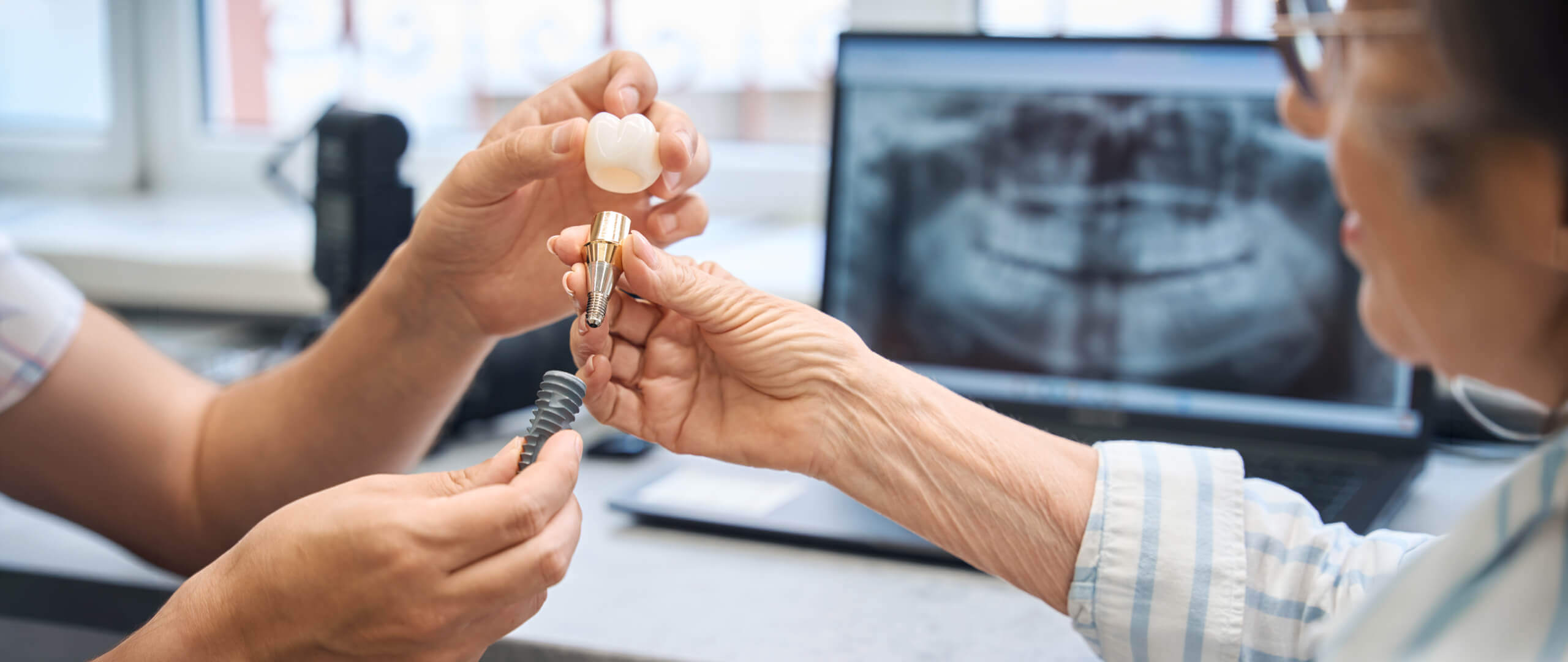
Dental Implants in Warsaw and Szczecin
Safe and of high quality.
Explore our treatment options.
Book a consultation appointment
Over 250,000 smiles cured
Over 250,000 smiles cured
Over 250,000 smiles cured
Over 250,000 smiles cured
+160 000 solved complex cases
+160 000 solved complex cases
+160 000 solved complex cases
+160 000 solved complex cases
Global pioneers of the All-on-4 concept
Global pioneers of the All-on-4 concept
Global pioneers of the All-on-4 concept
Global pioneers of the All-on-4 concept
Prestigious medical team
Prestigious medical team
Prestigious medical team
Prestigious medical team
Why do so many patients choose this solution?
Tooth loss affects much more than just chewing. It impacts self-confidence, the ease of smiling, and overall quality of life.
Dental implant placement is indicated in the case of:
Missing one or more teeth
Complete tooth loss
Bone loss (resorption)
Find out how to get your smile back
Implant treatment is available at MALO CLINIC clinics in Warsaw and Szczecin. The locations in Rzeszów and Wrocław serve a consultative function.
Find out how to get your smile back
Implant treatment is available at MALO CLINIC clinics in Warsaw and Szczecin. The locations in Rzeszów and Wrocław serve a consultative function.
Dental implants with complete safety
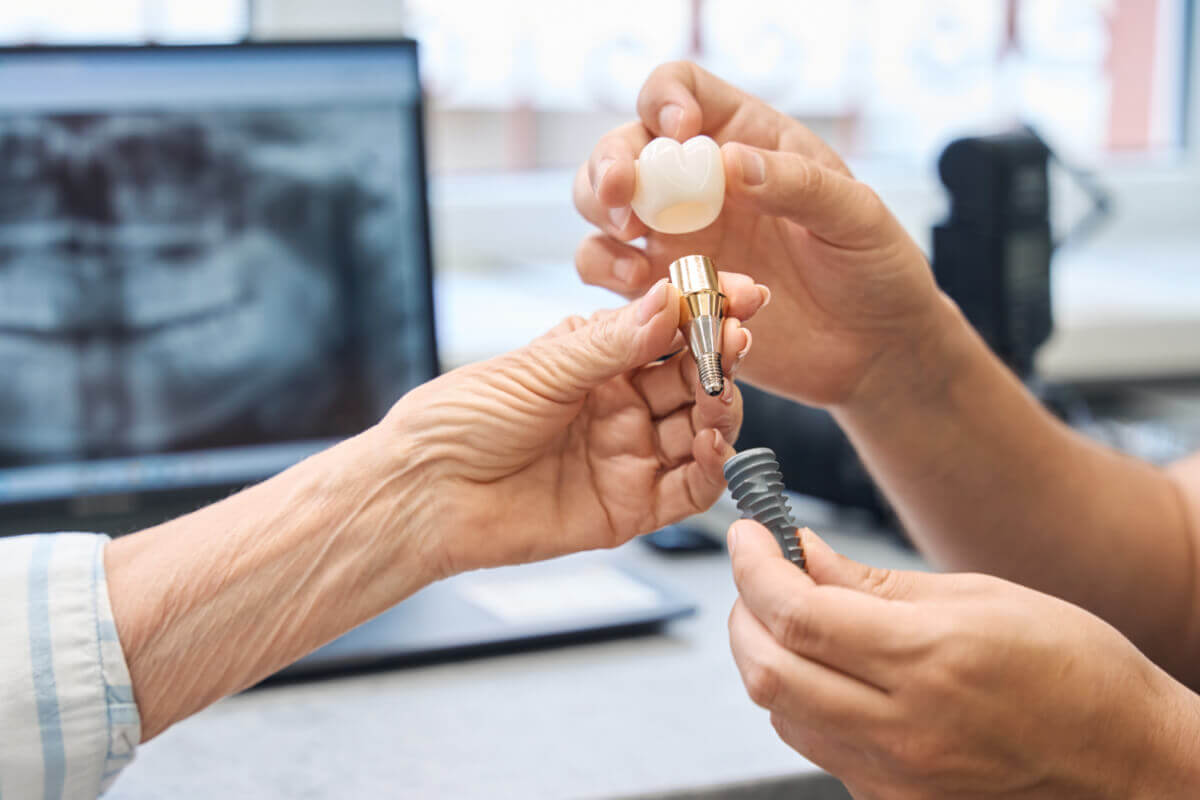
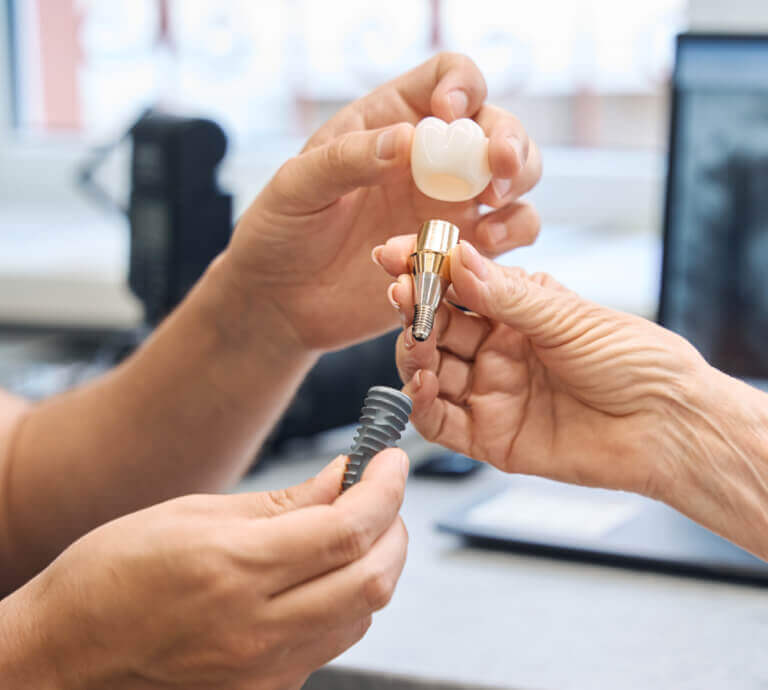
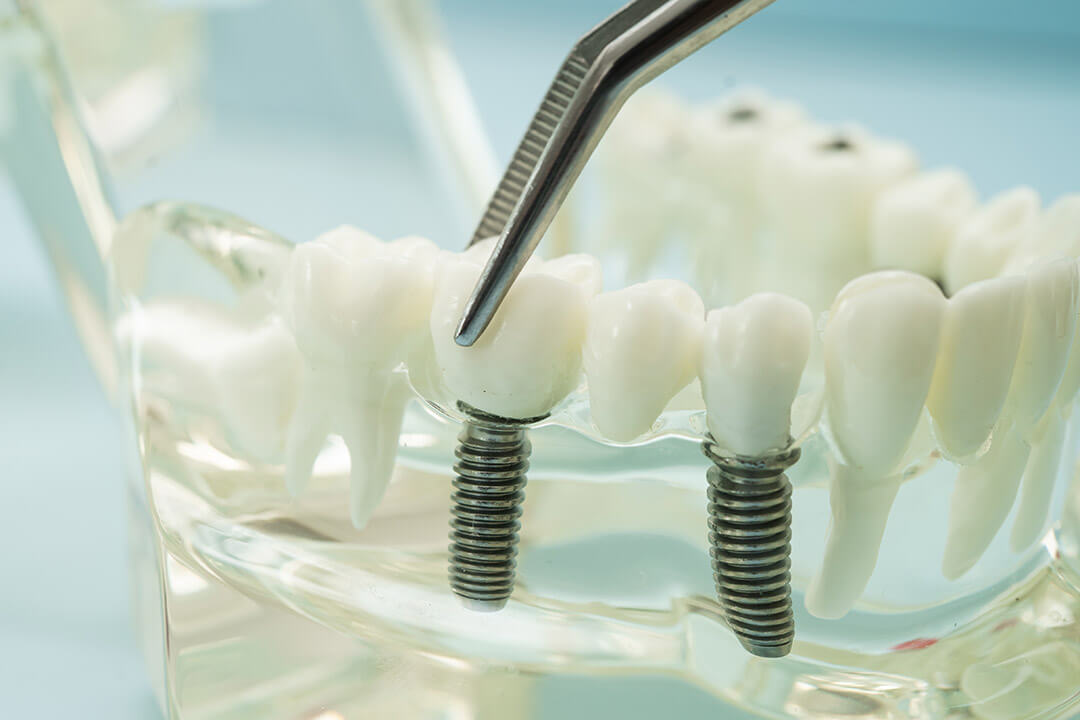
Dental implants are titanium elements that are inserted into the jawbone or mandible to replace the roots of lost teeth. They serve as a foundation for securing permanent prosthetic restorations, such as single crowns, bridges or full dentures.
Dental implants represent a widely used and safe solution in the event of missing or damaged teeth. They are a durable and aesthetically natural alternative that helps improve both oral health and quality of life.
With over 30 years of experience in research and innovation, we have developed advanced surgical techniques that have revolutionised modern implantology, such as the fixed full denture procedure.
In addition to permanent full dentures, we also offer other avant-garde solutions, such as zygomatic implants, as well as the MALO CLINIC Bridge permanent prosthesis, recognised as one of the most advanced solutions in the field of permanent prosthetic restorations in the world.

Consult with our medical team and clear up your doubts.
Stages of treatment
Starting from the first check-up visit, the treatment process follows a strictly defined path, planned to ensure safety, predictability, and comfort at every stage.
1

Comprehensive clinical assessment
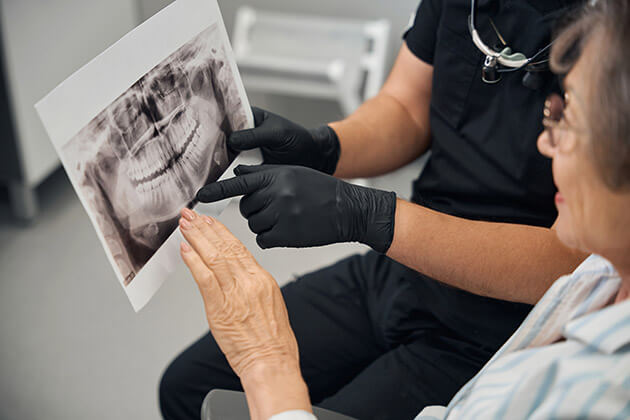
During the first visit, all information necessary to make a diagnosis is collected, including examinations and digital radiological images, which allows for a reliable case analysis.
1
Comprehensive clinical assessment
During the first visit, all information necessary to make a diagnosis is collected, including examinations and digital radiological images, which allows for a reliable case analysis.
2

Planning
Based on your individual needs and expected results, a personalised treatment plan is created.
2
Planning
Based on your individual needs and expected results, a personalised treatment plan is created.
3

Implant placement
The surgical implant placement procedure is very quick, taking between one and three hours, depending on the complexity of the case.
3
Implant placement
The surgical implant placement procedure is very quick, taking between one and three hours, depending on the complexity of the case.
4
Healing and osseointegration
Osseointegration is a process in which a titanium implant fuses with the jawbone or mandible, creating a stable and durable foundation for a permanent, final prosthesis. This process is crucial to ensuring the long-term success of dental implants.
4
Healing and osseointegration
Osseointegration is a process in which a titanium implant fuses with the jawbone or mandible, creating a stable and durable foundation for a permanent, final prosthesis. This process is crucial to ensuring the long-term success of dental implants.
5

Fitting of a crown
After the healing process is complete, a permanent crown is fitted, designed to blend in naturally with your smile.
5
Fitting of a crown
After the healing process is complete, a permanent crown is fitted, designed to blend in naturally with your smile.
Find out if dental implants are right for you
Find out if dental implants are right for you
Main benefits of dental implants
High success rate
Dental implants have a very high success rate because they are inserted directly into the bone, functioning as an artificial root. This integration with the bone guarantees stability, durability, and predictable results in the long term.
Dental implants have a very high success rate because they are inserted directly into the bone, functioning as an artificial root. This integration with the bone guarantees stability, durability, and predictable results in the long term.
Preventing other oral health problems
By replacing a missing tooth, the implant prevents neighbouring teeth from shifting, changes in the bite, and bone loss. This contributes to maintaining greater balance in the oral cavity and reduces the risk of future complications.
By replacing a missing tooth, the implant prevents neighbouring teeth from shifting, changes in the bite, and bone loss. This contributes to maintaining greater balance in the oral cavity and reduces the risk of future complications.
Preserving intact healthy teeth
Unlike other solutions, implants do not require grinding of adjacent teeth. Each tooth is treated independently, which allows for the preservation of the natural structure and health of the adjacent teeth.
Unlike other solutions, implants do not require grinding of adjacent teeth. Each tooth is treated independently, which allows for the preservation of the natural structure and health of the adjacent teeth.
Natural result
Implants are designed to mimic the function and appearance of a natural tooth. The result is aesthetic, comfortable and functional, allowing you to smile, chew and speak with complete confidence.
Implants are designed to mimic the function and appearance of a natural tooth. The result is aesthetic, comfortable and functional, allowing you to smile, chew and speak with complete confidence.
Frequently asked questions
1
What are dental implants?
Dental implants are titanium components that are inserted into the jawbone to replace the roots of lost teeth. They serve as a base for securing permanent prosthetic restorations, such as single crowns, bridges, or full dentures.
2
Who is a good candidate for dental implants?
Ideal candidates for implants are people in good general health and with a healthy mouth, healthy gums and an adequate amount of bone to support the implant. However, implant treatment is not contraindicated even in patients suffering from conditions such as diabetes, osteoporosis or other diseases.
3
Is the dental implant procedure painful?
Implant placement is performed under local anaesthetic, which allows for pain control during the procedure. After the procedure, it is common to experience some discomfort or swelling, which can be minimised with painkillers prescribed by your dentist.
4
How long does the dental implant process take?
Placing a single dental implant is a relatively quick procedure and can take about 30 to 60 minutes. After the surgical procedure, it is necessary to wait about 3 to 6 months for osseointegration – which is the biological process of the implant fusing with the bone. Only after this period is the final crown fitted.
5
What is osseointegration?
Osseointegration is a process in which a titanium implant fuses with the jawbone or mandible, creating a stable and durable foundation for a permanent, final prosthesis. This process is crucial to ensuring the long-term success of dental implants.
6
How should dental implants be cared for?
Dental implants require the same care as natural teeth. This includes daily brushing and flossing, or using other supplementary solutions recommended by a dentist or dental hygienist, such as subgingival irrigators. Maintaining proper oral hygiene and attending regular check-ups are essential to prevent infections and other complications around the implants.
7
What is the success rate for dental implants?
Dental implants are characterised by a high success rate of approximately 98%. However, the long-term success of the treatment depends on factors such as the patient's general health, bone quality, as well as adherence to a proper hygiene protocol and regular check-ups.
8
Are there any risks or complications associated with dental implants?
Like any surgical procedure, dental implant placement can carry risks, including infection, nerve damage, or sinus problems. However, these risks occur rarely and can typically be managed through proper care and professional monitoring of the patient's condition.
9
Can I replace a traditional denture with implants?
Yes, many patients choose to replace traditional removable partial or complete dentures with implant-supported restorations to achieve greater comfort, stability, and improved speech and chewing functions. Unlike removable dentures, implants also offer the added benefit of not causing trauma to tissues or adjacent teeth, as well as preventing or stabilising bone loss.
MALO CLINIC
Malo Clinic Polska sp. z o.o. registered in the District Court for the Capital City of Warsaw, 13th Commercial Division of the National Court Register under KRS number: 0000242331, share capital PLN 300,000.00, NIP (Tax Identification Number) 525-234-17-37, REGON (National Business Registry Number) 140078686
SWIFT: BIGBPLPW | Bank Millennium SA | ul. S. Żaryna 2A, 02-593 Warszawa | Poland
MALO CLINIC WARSZAWA Bank account: PL 06 1160 2202 0000 0000 6313 6153
MALO CLINIC SZCZECIN Bank account: PL 36 1160 2202 0000 0007 2348 1155
@ 2026 ALL RIGHTS RESERVED - MALO CLINIC SA
Developed by