+48 22 393 63 33
+48 22 393 63 33
+48 22 393 63 33

Dental Veneers
An aesthetic dentistry treatment that allows you to achieve a more beautiful smile with a natural appearance and high durability.
Book a consultation appointment
Over 200,000 smiles cured
Over 200,000 smiles cured
Over 200,000 smiles cured
Over 200,000 smiles cured
Dedicated medical team
Dedicated medical team
Dedicated medical team
Dedicated medical team
+14 dental specialities
+14 dental specialities
+14 dental specialities
+14 dental specialities
Conveniences in payments, contracts and partnerships
Conveniences in payments, contracts and partnerships
Conveniences in payments, contracts and partnerships
Conveniences in payments, contracts and partnerships
In what cases do patients decide to get dental veneers?
Dental veneers are suitable for you if:
Your teeth have discolouration or stains
Your teeth are chipped, cracked or worn
You have gaps or spaces between your teeth that you want to close (diastemas)
Find out how to improve the aesthetics of your smile
Find out how to improve the aesthetics of your smile
Real results. Metamorphoses that change lives.
Real-life cases of patients treated with fixed full-arch prostheses at MALO CLINIC.
The publication of these cases has been explicitly authorised by the patients, who have unreservedly consented to their public presentation, recognising the information materials presented as objectively true and capable of contributing to the free and informed choice of other patients.
The publication of these cases has been explicitly authorised by the patients, who have unreservedly consented to their public presentation, recognising the information materials presented as objectively true and capable of contributing to the free and informed choice of other patients.
The publication of these cases has been explicitly authorised by the patients, who have unreservedly consented to their public presentation, recognising the information materials presented as objectively true and capable of contributing to the free and informed choice of other patients.
What are dental veneers?
Dental veneers, sometimes colloquially and incorrectly referred to as "teeth overlays", are a type of prosthetic restoration in the form of thin shells made of ceramics or composite resin. They are bonded to the visible, front part of the tooth to improve its appearance – both in terms of changing the shape, colour, as well as aligning the tooth line.
In this sense, dental veneers act like extremely thin contact lenses (restorations) that can restore a perfect smile aesthetic in a minimally invasive way, as they require only minimal tooth preparation, and in some cases, allow this process to be avoided completely.

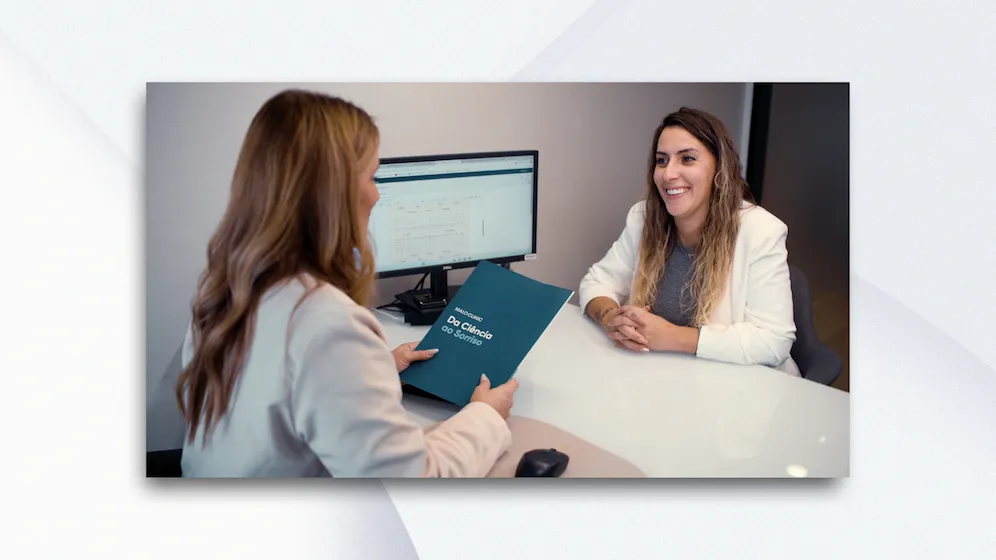
Our medical team is here to help you!
Stages of treatment
Starting from the first check-up visit, the treatment process follows a strictly defined path, planned to ensure safety, predictability, and comfort at every stage.
1
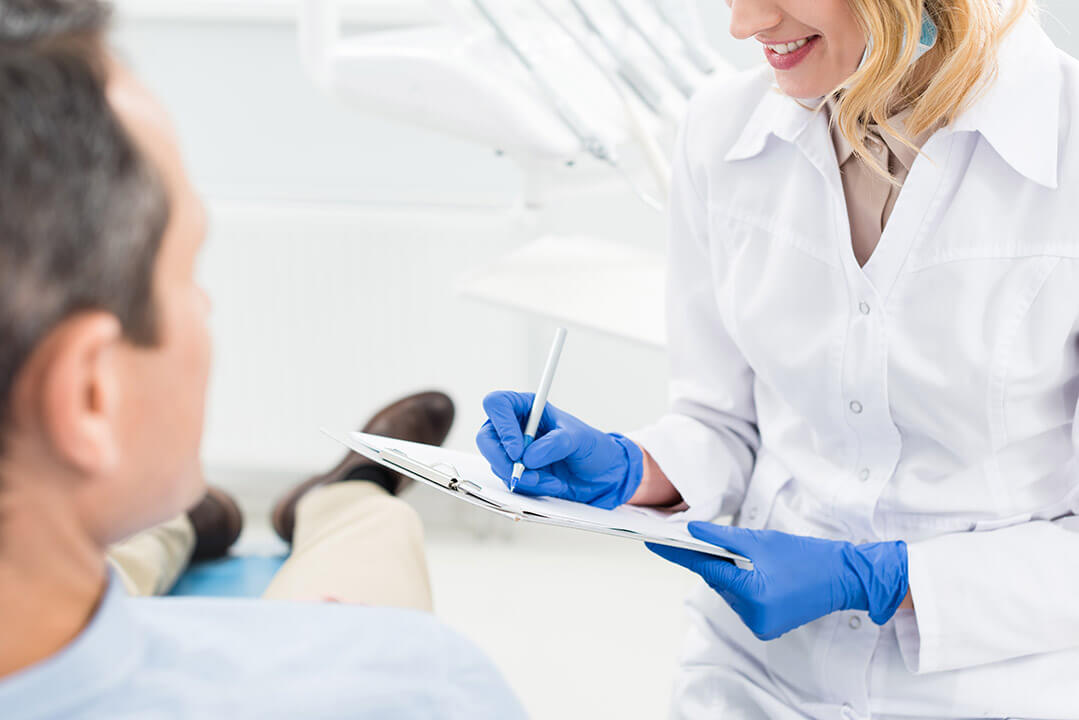
Comprehensive clinical assessment
During the first visit, all information necessary to make a diagnosis is collected, including examinations and digital radiological images, which allows for a reliable case analysis.
1
Comprehensive clinical assessment
During the first visit, all information necessary to make a diagnosis is collected, including examinations and digital radiological images, which allows for a reliable case analysis.
1
Comprehensive clinical assessment
During the first visit, all information necessary to make a diagnosis is collected, including examinations and digital radiological images, which allows for a reliable case analysis.
2

Planning
Based on your individual needs and the expected result, a personalised treatment plan is created. At this stage, based on the information gathered during the check-up visit, parameters such as the colour, size and structure of the veneer are determined.
2
Planning
Based on your individual needs and the expected result, a personalised treatment plan is created. At this stage, based on the information gathered during the check-up visit, parameters such as the colour, size and structure of the veneer are determined.
2
Planning
Based on your individual needs and the expected result, a personalised treatment plan is created. At this stage, based on the information gathered during the check-up visit, parameters such as the colour, size and structure of the veneer are determined.
3
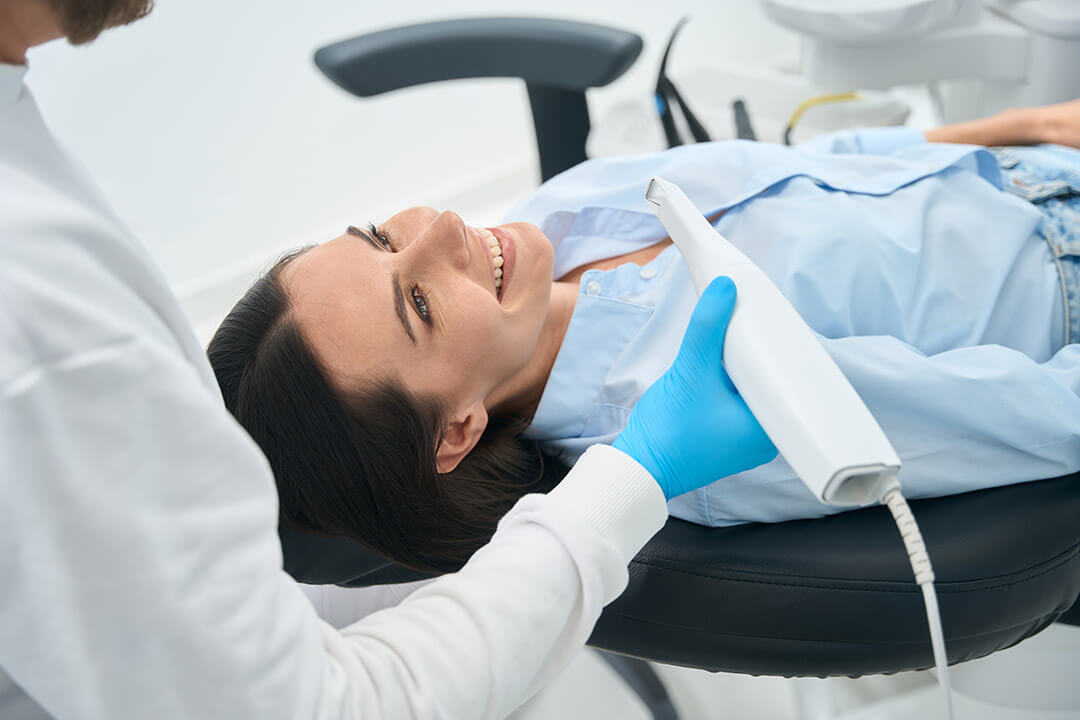
Digital impression (Digital registration)
Using the latest digital technologies, a three-dimensional image (3D scan) of your teeth is captured. This will serve as the basis for crafting the veneers, ensuring they perfectly match the shape and colour of your natural teeth.
3
Digital impression (Digital registration)
Using the latest digital technologies, a three-dimensional image (3D scan) of your teeth is captured. This will serve as the basis for crafting the veneers, ensuring they perfectly match the shape and colour of your natural teeth.
3
Digital impression (Digital registration)
Using the latest digital technologies, a three-dimensional image (3D scan) of your teeth is captured. This will serve as the basis for crafting the veneers, ensuring they perfectly match the shape and colour of your natural teeth.
4
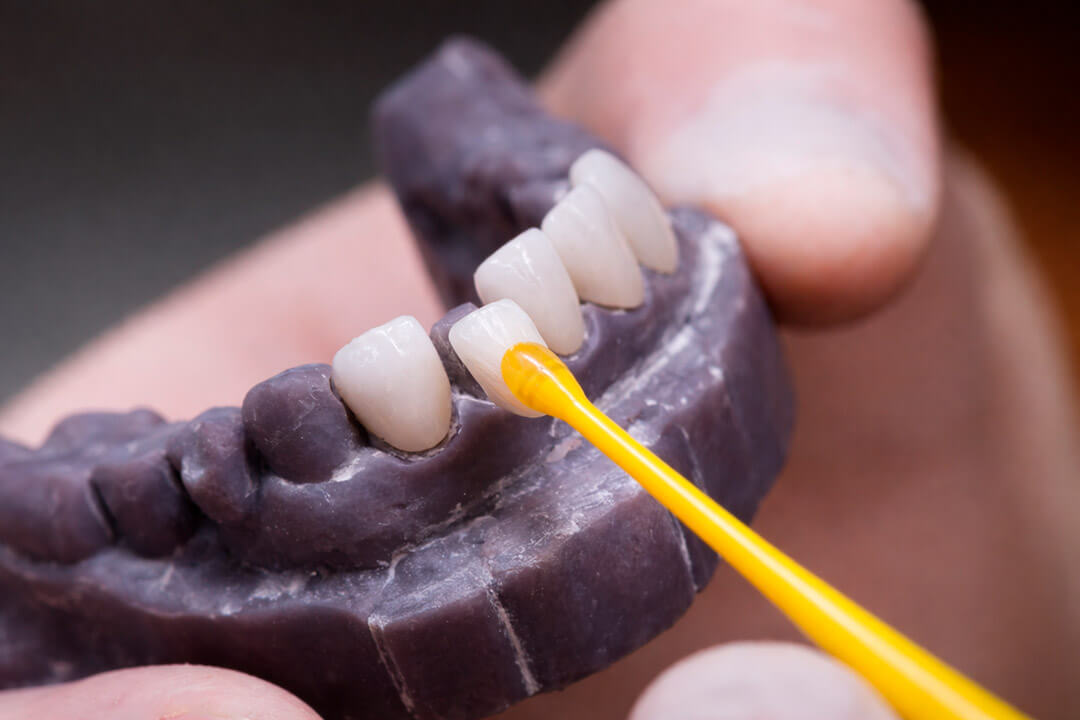
Mock-up (Smile trial)
A model of the finished result is created, so you can try it on and see it before the final placement. While your permanent veneers are being made in the laboratory, these temporary ones help protect your teeth.
4
Mock-up (Smile trial)
A model of the finished result is created, so you can try it on and see it before the final placement. While your permanent veneers are being made in the laboratory, these temporary ones help protect your teeth.
4
Mock-up (Smile trial)
A model of the finished result is created, so you can try it on and see it before the final placement. While your permanent veneers are being made in the laboratory, these temporary ones help protect your teeth.
5
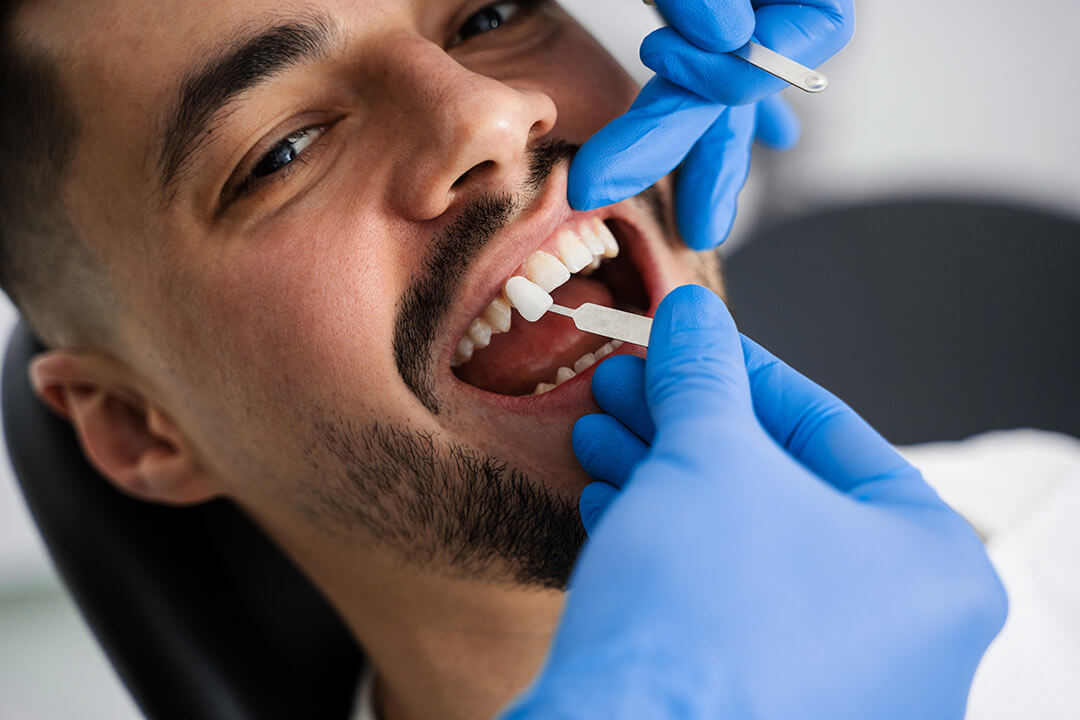
Mounting
When the permanent veneers are ready, the dentist carefully bonds them to your teeth using a special (adhesive) cement. In some cases, it may be necessary to gently shave the surface of the enamel to compensate for the space the veneer will occupy and to facilitate its stable placement.
5
Mounting
When the permanent veneers are ready, the dentist carefully bonds them to your teeth using a special (adhesive) cement. In some cases, it may be necessary to gently shave the surface of the enamel to compensate for the space the veneer will occupy and to facilitate its stable placement.
5
Mounting
When the permanent veneers are ready, the dentist carefully bonds them to your teeth using a special (adhesive) cement. In some cases, it may be necessary to gently shave the surface of the enamel to compensate for the space the veneer will occupy and to facilitate its stable placement.
6
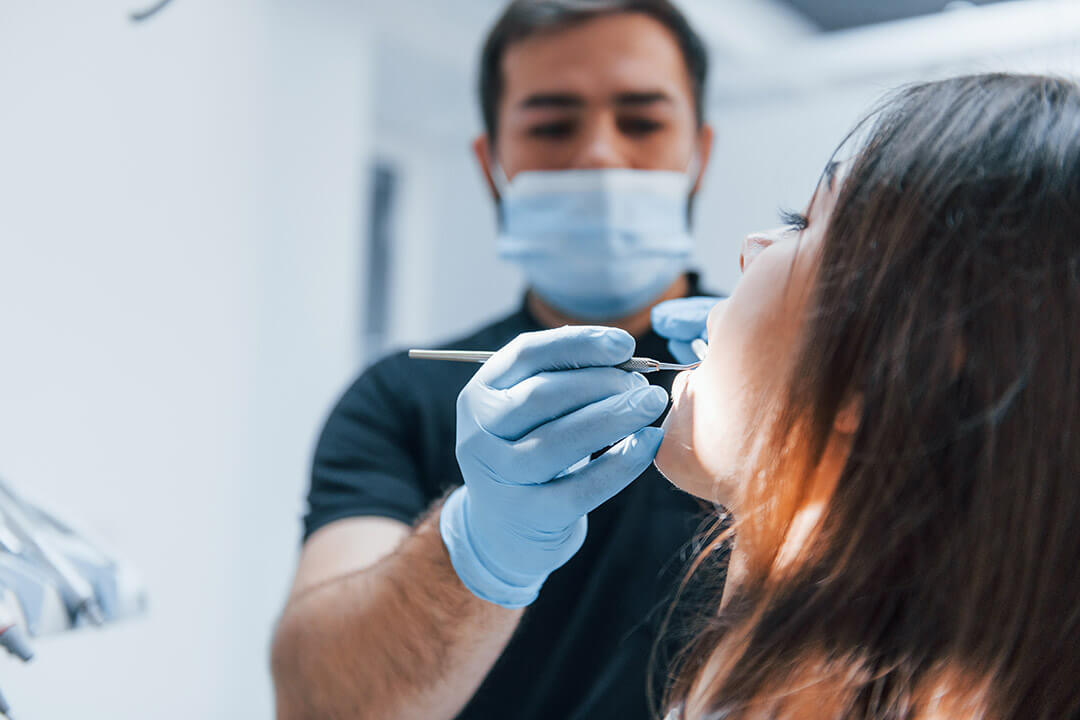
The ultimate fit
The dentist will make all necessary adjustments to ensure that the veneers are perfectly fitted and fully comfortable.
6
The ultimate fit
The dentist will make all necessary adjustments to ensure that the veneers are perfectly fitted and fully comfortable.
6
The ultimate fit
The dentist will make all necessary adjustments to ensure that the veneers are perfectly fitted and fully comfortable.
7
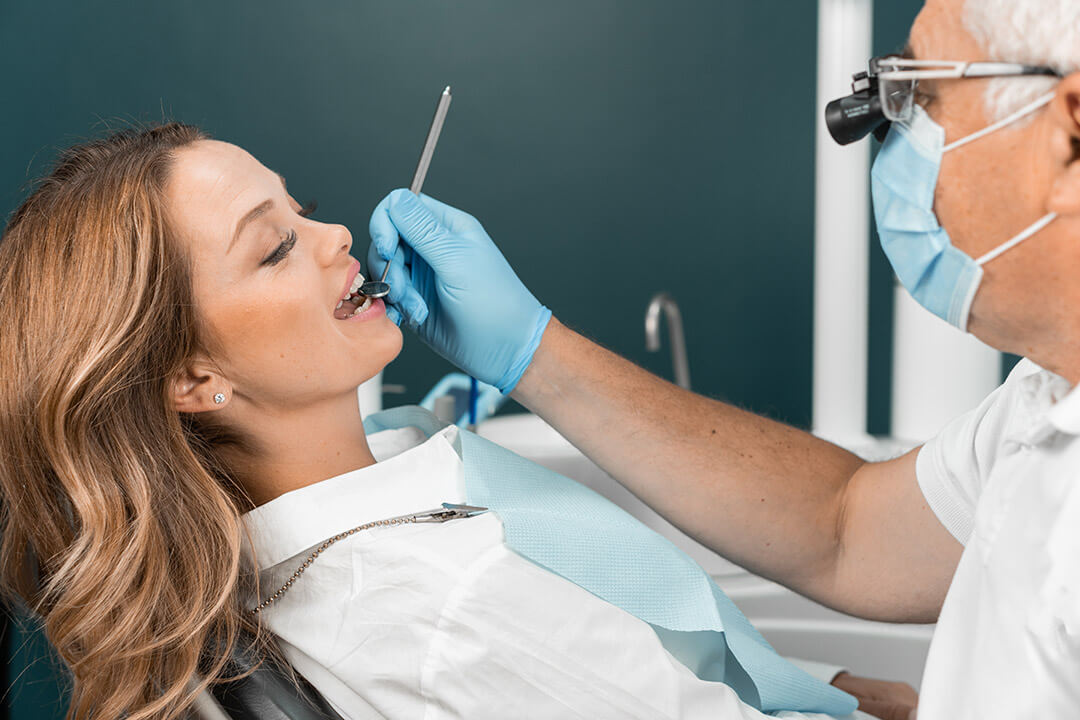
Aftercare and check-ups
Regular visits to the dentist and proper oral hygiene will help extend the lifespan of your dental veneers.
7
Aftercare and check-ups
Regular visits to the dentist and proper oral hygiene will help extend the lifespan of your dental veneers.
7
Aftercare and check-ups
Regular visits to the dentist and proper oral hygiene will help extend the lifespan of your dental veneers.
Our medical team is here to help you!
Our medical team is here to help you!
Main advantages of dental veneers
A more beautiful smile
Dental veneers can dramatically improve the appearance of your smile, correcting issues such as discoloured, chipped, worn, or irregularly shaped teeth.
Dental veneers can dramatically improve the appearance of your smile, correcting issues such as discoloured, chipped, worn, or irregularly shaped teeth.
Stain resistance
Unlike natural teeth, dental veneers are highly resistant to staining, making them a long-lasting solution for a pearly white and radiant smile.
Unlike natural teeth, dental veneers are highly resistant to staining, making them a long-lasting solution for a pearly white and radiant smile.
Frequently asked questions
1
I had dental veneers fitted, can I eat any type of food?
As with any other type of restoration, or even natural teeth, very hard foods should be avoided, as there is a risk of causing cracks or fractures.
In the case of composite veneers, due to their higher susceptibility to staining, highly staining products such as coffee, tea, red wine or berries (red) should also be avoided.
2
How many years do dental veneers last?
Despite their delicate appearance, dental veneers are highly durable and long-lasting. After bonding, the tooth becomes as resistant as, or even more resistant than, a tooth without a veneer. Both structures fuse into one, which usually makes their detachment impossible.
Regarding daily oral hygiene and the care of teeth with veneers, they do not differ from natural teeth: in addition to proper daily brushing and flossing, patients should visit their dentist or dental hygienist every six months.
A preventative measure that can help increase the long-term success of this type of treatment is the nightly use of a bite guard. We also remind you that smoking is a factor that can negatively affect the aesthetics of your veneers.
On average, dental veneers last for about 15 years.
3
What is the difference between composite and ceramic veneers?
Considering the material, ceramics are considered the best choice for the production of veneers compared to composite. Composite is characterised by a shorter lifespan due to its susceptibility to discolouration, wear, fractures and plaque accumulation – which ultimately affects the long-term aesthetic result.
Due to their aesthetic appearance and durability, ceramic veneers have become the treatment of first choice for the aesthetic restoration of the so-called anterior teeth.
4
How much does a dental veneer cost?
Since every case is unique, the cost will depend on the treatment plan most appropriate for your clinical situation and the goals you want to achieve.
Book a consultation with our experienced medical team to receive a personalised treatment plan tailored to your case along with a corresponding cost estimate.
MALO CLINIC
Malo Clinic Polska sp. z o.o. registered in the District Court for the Capital City of Warsaw, 13th Commercial Division of the National Court Register under KRS number: 0000242331, share capital PLN 300,000.00, NIP (Tax Identification Number) 525-234-17-37, REGON (National Business Registry Number) 140078686
SWIFT: BIGBPLPW | Bank Millennium SA | ul. S. Żaryna 2A, 02-593 Warszawa | Poland
MALO CLINIC WARSZAWA Bank account: PL 06 1160 2202 0000 0000 6313 6153
MALO CLINIC SZCZECIN Bank account: PL 36 1160 2202 0000 0007 2348 1155
@ 2026 ALL RIGHTS RESERVED - MALO CLINIC SA
Developed by