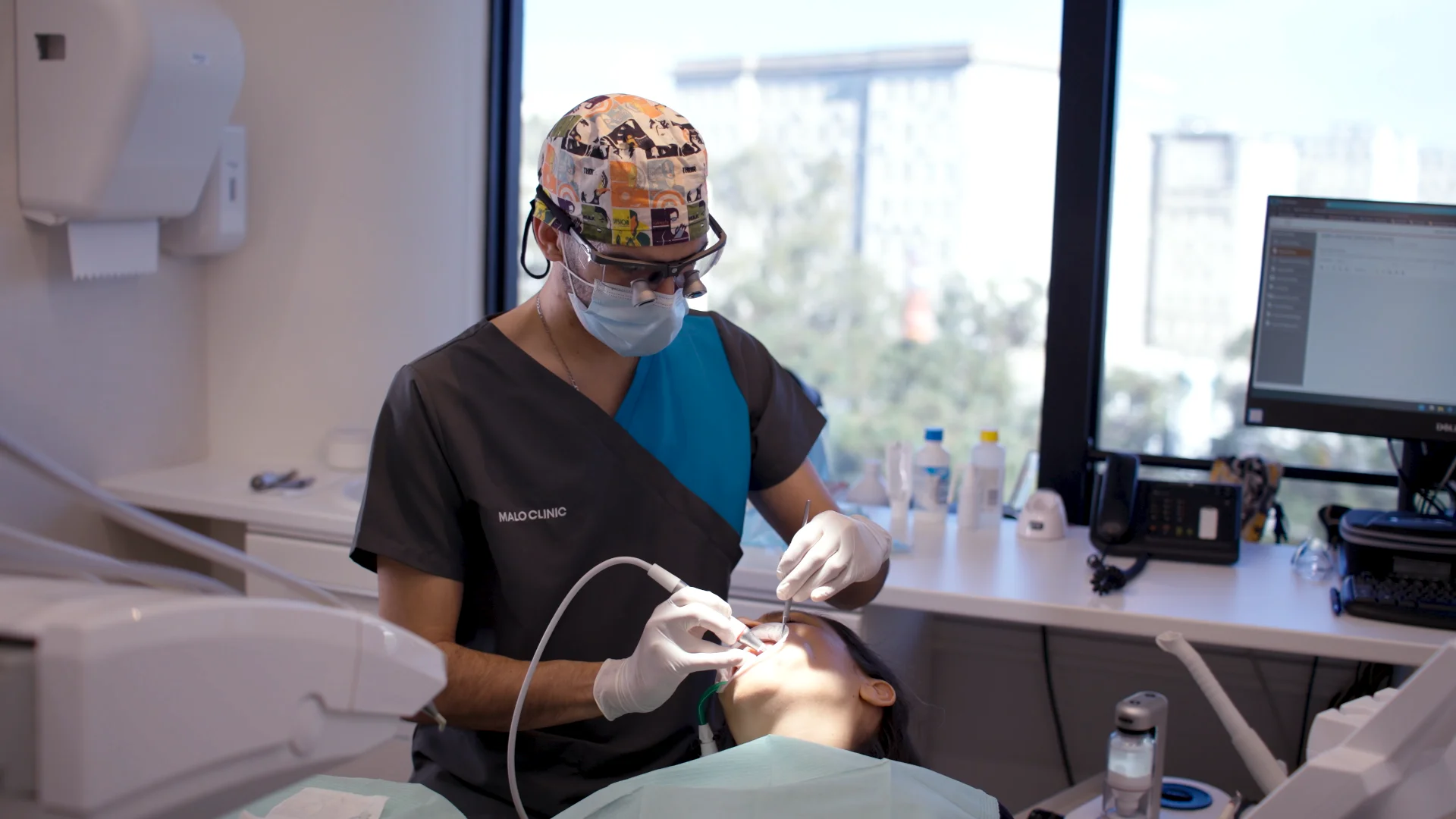
Gingivitis

Inflammatory condition involving the gingival tissue surrounding the teeth.

What is gingivitis?

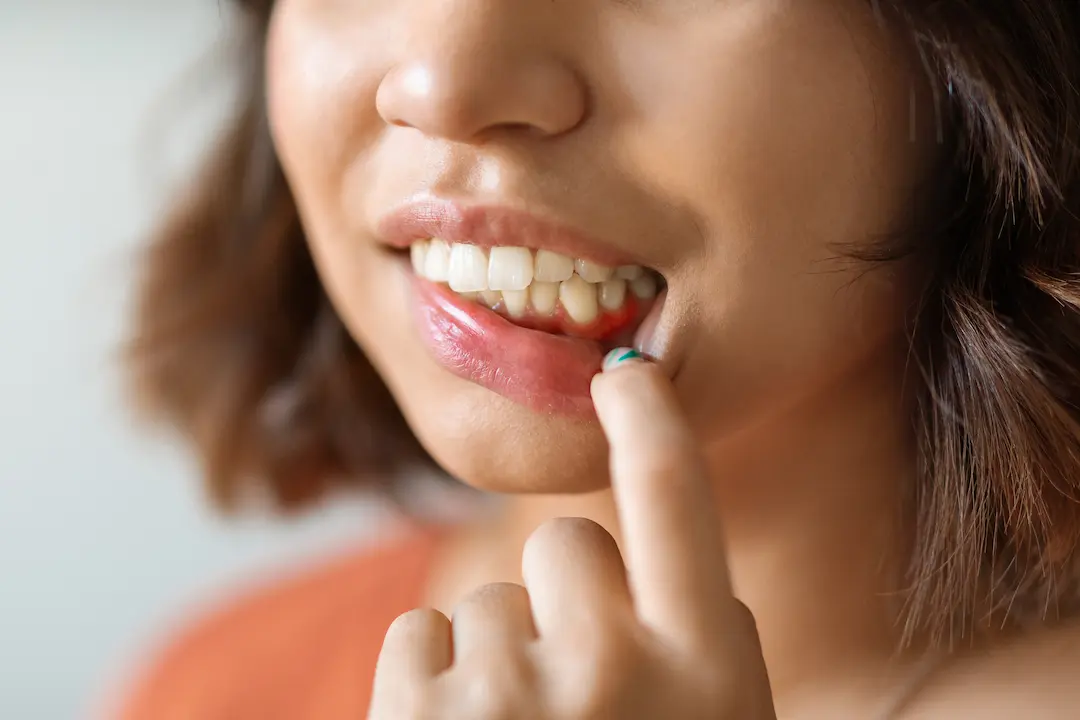
Gingivitis is an inflammation of the gum tissue surrounding the teeth. It is the most common and mildest form of periodontal disease, typically caused by the buildup of bacterial plaque (dental plaque) and tartar on the surfaces of the teeth and gums. Although it is a reversible process, if left untreated, it can progress to periodontitis, which is a much more serious condition.
What is gingivitis?

Main causes

The development of gingivitis (gum inflammation) is usually associated with a combination of several factors, which include:

Poor oral hygiene

Tartar

Accumulation of bacterial plaque (dental plaque)

Smoking tobacco

Hormonal changes

Possible symptoms

The most common symptoms of gingivitis include:

1

1

Redness and swelling of the gums

This is one of the first symptoms. Healthy gums are pink in colour, however, when inflamed they become red and may show slight swelling (increased volume) due to the accumulation of exudate fluid.

2

2

Bleeding when brushing teeth

Inflammation makes the gum tissues more delicate and susceptible to damage, causing frequent bleeding, even with gentle stimuli such as brushing or flossing.

3

3

Chronic halitosis (bad breath)

The accumulation of bacterial plaque and food debris, combined with ongoing inflammation, can generate a persistent, unpleasant breath odour, also known as halitosis.

4

4

Mild receding gums (gingival recession)

In some cases, inflammation can lead to a gradual receding of the gum line, exposing part of the tooth root and increasing susceptibility to tooth sensitivity.

5

5

Gum tenderness and sensitivity

It can cause discomfort or even pain when pressing or brushing the affected area, resulting from the increased sensitivity and tenderness of the inflamed region.

Marcar Consulta de Avaliação

If symptoms persist or worsen, dental consultation and evaluation is important. Even in the absence of severe pain, regular check-ups are essential to prevent complications.

Available treatment methods

Available treatment methods

Gingivitis treatment varies depending on the extent of the damage and its severity. Here are some of the most common treatment methods:

Improvement of oral hygiene

Maintaining regular and effective oral hygiene is crucial for reversing this condition. This includes brushing your teeth at least twice a day with a soft-bristled toothbrush and fluoride toothpaste. Daily flossing is equally fundamental to remove food debris and bacterial plaque.

Maintaining regular and effective oral hygiene is crucial for reversing this condition. This includes brushing your teeth at least twice a day with a soft-bristled toothbrush and fluoride toothpaste. Daily flossing is equally fundamental to remove food debris and bacterial plaque.

Improvement of oral hygiene

Maintaining regular and effective oral hygiene is crucial for reversing this condition. This includes brushing your teeth at least twice a day with a soft-bristled toothbrush and fluoride toothpaste. Daily flossing is equally fundamental to remove food debris and bacterial plaque.

Professional teeth cleaning (Dental hygiene treatment)

Professional teeth cleaning performed by a dentist or dental hygienist is essential for removing tartar (hardened bacterial plaque) accumulated on the teeth and below the gumline. This treatment reduces inflammation and facilitates the regeneration of gum tissue.

Professional teeth cleaning performed by a dentist or dental hygienist is essential for removing tartar (hardened bacterial plaque) accumulated on the teeth and below the gumline. This treatment reduces inflammation and facilitates the regeneration of gum tissue.

Professional teeth cleaning (Dental hygiene treatment)

Correction and modification of habits and treatment of other coexisting diseases

It is important to treat conditions that contribute to gingivitis, such as untreated tooth decay, damaged dental fillings, or loose (ill-fitting) dentures. These adjustments help prevent the recurrence of inflammation.

It is important to treat conditions that contribute to gingivitis, such as untreated tooth decay, damaged dental fillings, or loose (ill-fitting) dentures. These adjustments help prevent the recurrence of inflammation.

Correction and modification of habits and treatment of other coexisting diseases

Frequently asked questions

1

Can this condition be prevented solely by brushing your teeth?

Yes, in its early stages, the disease can be reversed through rigorous oral hygiene, including proper brushing and daily flossing. Nevertheless, it is important to consult a dentist for a professional cleaning (scaling/prophylaxis) and to receive detailed recommendations.

2

Are mouthwashes effective in treating gingivitis?

Antibacterial mouthwashes, for example those containing chlorhexidine, can help to reduce bacteria and inflammation. However, they should be used as a supplement to, and not a replacement for, brushing and flossing.

3

Does gingivitis always hurt?

Not always. Many people with this condition do not experience any pain, but may notice symptoms such as swelling, redness or bleeding gums.

4

Can smoking tobacco worsen gum inflammation?

Yes, smoking tobacco is one of the main factors exacerbating the disease, as it limits the ability of the gum tissues to regenerate and heal, and also increases the risk of the disease progressing to periodontitis.

5

How long does it take to treat gingivitis?

With appropriate treatment and improved oral hygiene, the inflammation can start to subside within a few days or weeks. This time varies depending on the severity of the case and the patient's commitment to following the dentist's recommendations.

6

Can children have gingivitis?

Yes, gum disease can affect people of any age, including children – especially if they have not developed proper oral hygiene habits.

7

Which foods help to prevent this disease?

Products rich in vitamin C, such as oranges and kiwis, support gum health. Fibrous vegetables, such as carrots and celery, are also beneficial because they stimulate saliva production and help clean teeth in a natural way.

8

Can gum disease lead to tooth loss?

Not directly. However, untreated gingivitis can progress to periodontitis (gum disease), and this condition can lead to bone loss and, consequently, premature tooth loss.

9

Can stress worsen the condition of your gums?

Yes, stress can weaken the immune system, making it harder for the body to fight the bacteria responsible for causing inflammation.

10

Does pregnancy increase the risk of gingivitis?

Yes, hormonal changes occurring in the body during pregnancy can increase gum sensitivity and susceptibility to inflammation – this condition is referred to as "pregnancy gingivitis".

11

Can gum disease be completely prevented?

Through proper oral hygiene, regular dental visits and a balanced diet, the risk of developing this condition can be significantly reduced.

Book a consultation

Book a consultation

Fill in the form and we will contact you.

I consent to the processing of my data by MALO CLINIC for marketing purposes (campaigns, benefits, offers,...) via electronic mail (Email) and SMS messages.

Thank you, the form has been submitted

Book a consultation

Book a consultation

Fill in the form and we will contact you.

I consent to the processing of my data by MALO CLINIC for marketing purposes (campaigns, benefits, offers,...) via electronic mail (Email) and SMS messages.

Thank you, the form has been submitted

Book a consultation

Book a consultation

Fill in the form and we will contact you.

I consent to the processing of my data by MALO CLINIC for marketing purposes (campaigns, benefits, offers,...) via electronic mail (Email) and SMS messages.

Thank you, the form has been submitted

Malo Clinic Polska sp. z o.o. registered in the District Court for the Capital City of Warsaw, 13th Commercial Division of the National Court Register under KRS number: 0000242331, share capital PLN 300,000.00, NIP (Tax Identification Number) 525-234-17-37, REGON (National Business Registry Number) 140078686

SWIFT: BIGBPLPW | Bank Millennium SA | ul. S. Żaryna 2A, 02-593 Warszawa | Poland

MALO CLINIC WARSZAWA Bank account: PL 06 1160 2202 0000 0000 6313 6153

MALO CLINIC SZCZECIN Bank account: PL 36 1160 2202 0000 0007 2348 1155

Developed by